
Tools
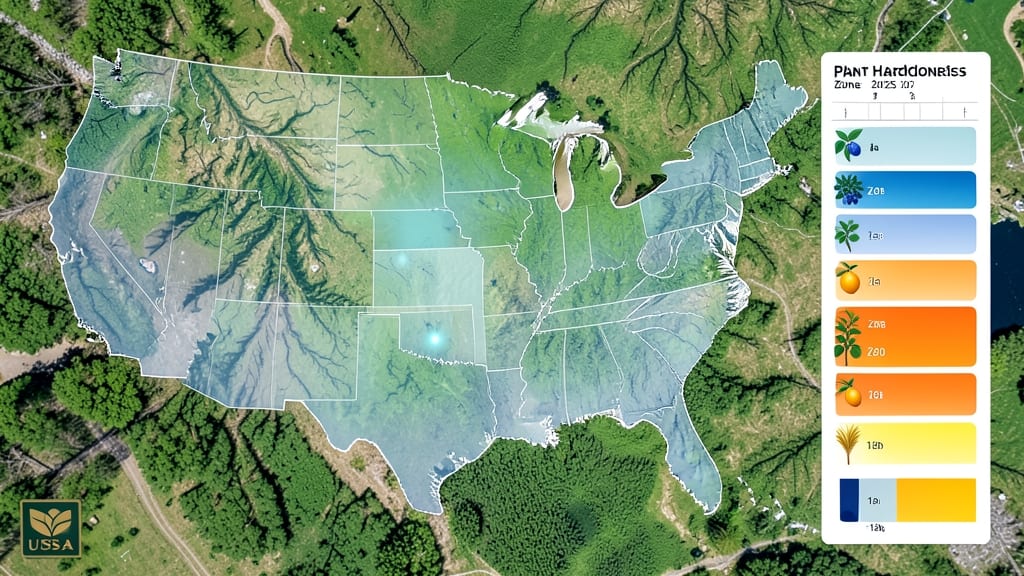
The USDA Gardening Zones 2025 map reflects updated plant hardiness zones based on the latest 30-year climate data, accounting for rising temperatures and shifting growing conditions across the country. Use your new zone designation to choose appropriate plants and adjust your planting calendar.
The 2025 update shifts many zones upward by half a zone or more in warmer regions, thanks to decades of temperature records showing consistent climate change effects. 🌱 For example, areas that were once Zone 7 might now qualify as Zone 8, allowing gardeners to grow previously unsuitable tropical plants.
This change particularly impacts perennials, which need stable winter conditions, versus annuals that can adapt more quickly to new heat patterns.
To navigate these changes, start by visiting the interactive USDA Plant Hardiness Zone Map—it lets you compare old and new zones side-by-side. Many nurseries now label plants with both old and new zone recommendations, making transitions smoother.
If you're moving plants between zones, do so gradually over 2-3 years to help them acclimate to new temperature extremes.
Pro tip: Pay attention to microclimates in your area, like south-facing slopes or urban heat islands, which can create localized growing conditions that differ from the official zone. These nuances often explain why some plants thrive where others struggle, even in the same designated zone.
💡 In This Article
- How USDA Zone Updates Impact Plant Selection
- Finding Your New USDA Zone and Adjusting Your Garden
How USDA Zone updates impact plant selection
The 2025 USDA Plant Hardiness Zone Map reflects the latest 30-year climate averages (1991-2020), which now show measurable warming across nearly all regions. Scientists track these shifts by analyzing minimum winter temperatures—the critical factor determining which plants survive.
For instance, a 5°F increase in average winter lows (common in many zones) can push boundaries northward by 50-100 miles, opening new growing possibilities. This warming trend isn't uniform: coastal areas warm faster due to ocean currents, while inland regions may experience more extreme temperature swings.
These zone shifts directly affect frost dates—the timing that dictates when to plant cool-season crops. In Zone 6, for example, the last spring frost might now occur 10-14 days earlier than previously recorded, while the first fall frost could delay by 7-10 days.
Perennials feel this most acutely because they rely on consistent winter survival. A peony that thrived in Zone 5b (average winter lows of -15°F to -10°F) might now struggle in what was previously its ideal range, now reclassified as Zone 6a (-10°F to -5°F).
Annuals adapt more easily since they complete their lifecycle within a single season.
Microclimates add another layer of complexity. A south-facing wall can create a Zone 8 microclimate in an otherwise Zone 7 area, while a low-lying spot might remain colder. The 2025 map accounts for these variations by using more granular data points, but gardeners should still test their specific conditions.
For example, a 5-foot elevation gain can drop temperatures by 1°F per 300 feet, creating cooler pockets where tender plants might still thrive. This is why some gardeners in Zone 7 successfully grow Zone 8 plants in protected microclimates.
The new zones also highlight regional differences in climate change impacts. The Southeast sees 1-2 zone shifts upward due to milder winters, while the Northwest experiences more variable shifts because of changing rainfall patterns.
In the Midwest, some areas may see half-zone shifts (e.g., 6b to 7a), requiring gardeners to adjust planting schedules by 2-3 weeks earlier in spring.
The key is to monitor local weather records and plant trials—some nurseries now label plants with both old and new zone ranges to help with transitions.
For gardeners with established perennials, the transition requires patience. Moving a Zone 5 shrub directly into a Zone 7 climate can shock its roots—gradual acclimation over 2-3 years (using shade cloth or mulch) improves survival rates.
Annuals offer more flexibility: simply swap out cold-sensitive varieties like tomatoes for heat-tolerant types (e.g., 'Heatmaster' or 'Solar Fire') as zones shift. The 2025 map's interactive tools let you overlay old and new zones, making it easier to spot these adjustments in your specific area.
What most gardeners overlook is how these zone changes interact with soil conditions. Warmer zones often mean drier soils, requiring adjustments to irrigation and mulching practices. For example, a Zone 6 garden moving to Zone 7 conditions might need 20-30% less water for the same plants.
Pair the new zone data with local rainfall trends to avoid overwatering or underwatering—both can stress plants during their transition period. 🌱