
How To
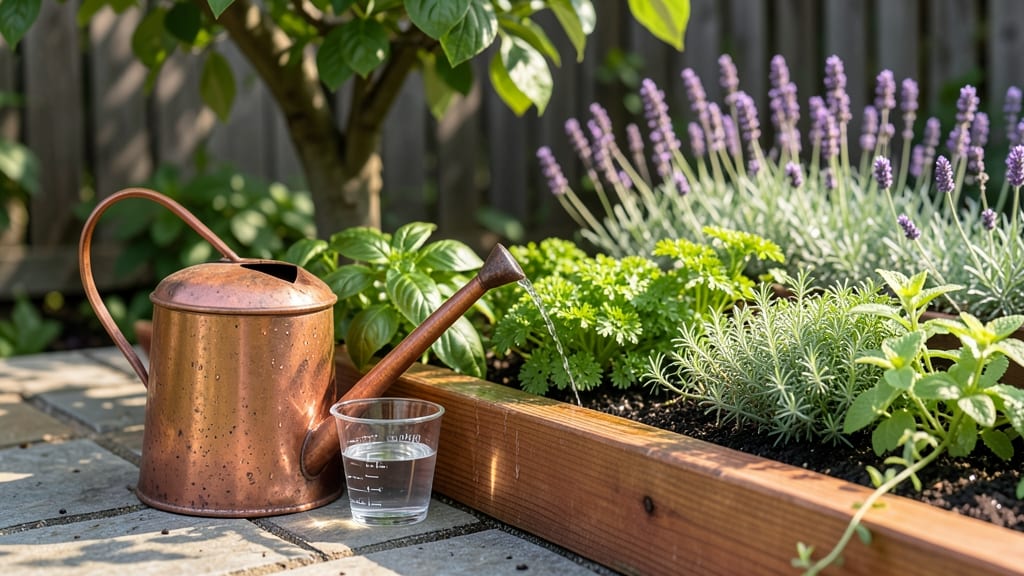
Watering your herb garden the right way means checking soil moisture—not sticking to a blind schedule—because basil and rosemary have completely different thirst levels.
Overwatering or underwatering your 🌿 garden can turn your kitchen staples into sad, wilted relics—yet most gardeners still guess instead of measuring. The secret to thriving herbs lies in understanding soil-moisture triggers, not just following a rigid schedule.
Think about it: a potted basil plant in full sun might need water every 1-2 days in summer, while rosemary in the same pot could survive on once a week.
That’s why I’m breaking down the exact signs your herbs need water—and how to adjust for containers, climate, and even herb type.
By the end, you’ll know when to water, how much to give, and what to watch for so your 🌿 garden stays lush, flavorful, and ready for your next recipe.
Soil-moisture triggers: the exact signs your herb garden needs water
Your herb garden whispers when it's thirsty—you just need to listen. Unlike vegetables or flowers, herbs show subtle signs of thirst before wilting dramatically. The key is checking soil moisture and recognizing plant-specific signals like crispy leaf edges or drooping stems.
These triggers help you water just enough to keep roots happy, not soggy.
Most gardeners make the mistake of watering on a schedule rather than responding to their plants' needs. For example, basil and cilantro dry out faster in summer heat, while mint and parsley tolerate slightly drier conditions. The solution? Master the finger test and learn each herb's ideal moisture range.
Here’s the game-changer: Herbs hate soggy soil as much as they hate drought. Overwatering suffocates roots and invites fungal diseases, while underwatering causes stress that dulls flavors.
The sweet spot? Soil that feels like a damp sponge—not bone-dry, not dripping wet. Let’s break down the exact signs your herbs are thirsty.
Start with the finger test: Stick your index finger 1-2 inches into the soil. If it feels dry at that depth, it’s time to water. For container herbs, lift the pot—if it’s lightweight, the soil is too dry.
Pro tip: Use your thumb to press the soil gently; it should spring back slowly, not crumble apart.
Watch for leaf signals like yellowing between veins (a classic underwatering sign) or crispy, brown edges (too much salt or dryness). Basil leaves will droop dramatically when thirsty, while parsley shows stress with yellowing lower leaves first. Cilantro bolts or tastes bitter if underwatered, and mint stems flop over when roots are dry.
Herbs in full sun (like most of your garden) dry out faster than those in partial shade. If your herbs are getting 6+ hours of sunlight daily, check soil moisture twice daily during heatwaves.
Morning watering is best—it gives roots time to absorb moisture before evening heat evaporates it. Avoid watering at night, as wet foliage invites fungal diseases like powdery mildew.
Containers dry out 2-3x faster than in-ground beds because they have fewer roots and no soil insulation. If your herbs are in pots, water them every 1-2 days in summer, even if the soil feels slightly moist.
For in-ground herbs, every 2-3 days is usually sufficient, but adjust based on rainfall and temperature.
Seasonal shifts matter too. In spring and fall, herbs need water every 2-3 days as temperatures moderate. During summer heatwaves, even drought-tolerant herbs like rosemary or thyme may need daily watering.
In winter, reduce watering to every 7-10 days unless you’re growing tender herbs like dill or chives.
One final trick: Group herbs by water needs in your garden. Place thirsty basil and cilantro near your water source, while parsley and mint can go in slightly drier spots.
This way, you’re not running back and forth with the hose. Pay attention, and your herbs will reward you with bold flavors and lush growth.
Watering frequency by herb type: a seasonal schedule for thriving plants
Not all herbs share the same thirst—while basil wilts dramatically when parched, rosemary thrives on neglect. Your watering schedule should dance with the seasons, container size, and even your local climate zone.
Let’s break down the watering rhythms for your top 8 kitchen herbs, so you can keep them perky without drowning their roots.
First, consider your container type. Herbs in pots dry out 2-3x faster than in-ground plants because they lack soil depth and root access. A 6-inch pot may need daily watering in summer, while a gallon-sized container can stretch to every other day.
For in-ground herbs, roots can reach deeper moisture reserves, so you’ll water 30-50% less frequently.
Sunlight exposure also shifts the schedule. Herbs basking in full sun (6+ hours) lose moisture rapidly through transpiration, while those in partial shade (3-6 hours) sip water more slowly. For example, thyme in a sunny window might need water every 2 days, but the same thyme in a shadier spot could wait 5 days.
For humid climates (like Zone 8-10), reduce watering by 20-30%—herbs already get plenty of moisture from the air. In arid regions (Zones 3-6), increase frequency by 50% and water deeply to encourage root growth.
Pro tip: Use a moisture meter ($10 at garden centers) to avoid guesswork—stick it in the soil, and if it reads dry, it’s time to water.
Adjust your schedule based on weather patterns, not just the calendar. After a heavy rain, skip watering for 3-5 days—herbs hate soggy roots. In extreme heat (above 90°F), move potted herbs to shadier spots and water in the early morning to prevent evaporation.
Mulch around in-ground herbs with straw or wood chips to lock in moisture and reduce watering needs by 30%.
Remember, overwatering is the silent killer—yellowing leaves, moldy soil, and mushy stems are red flags. When in doubt, check the soil: Stick your finger 1-2 inches deep. If it feels dry, water; if it’s damp, wait. Your herbs will reward you with bold