
Tools
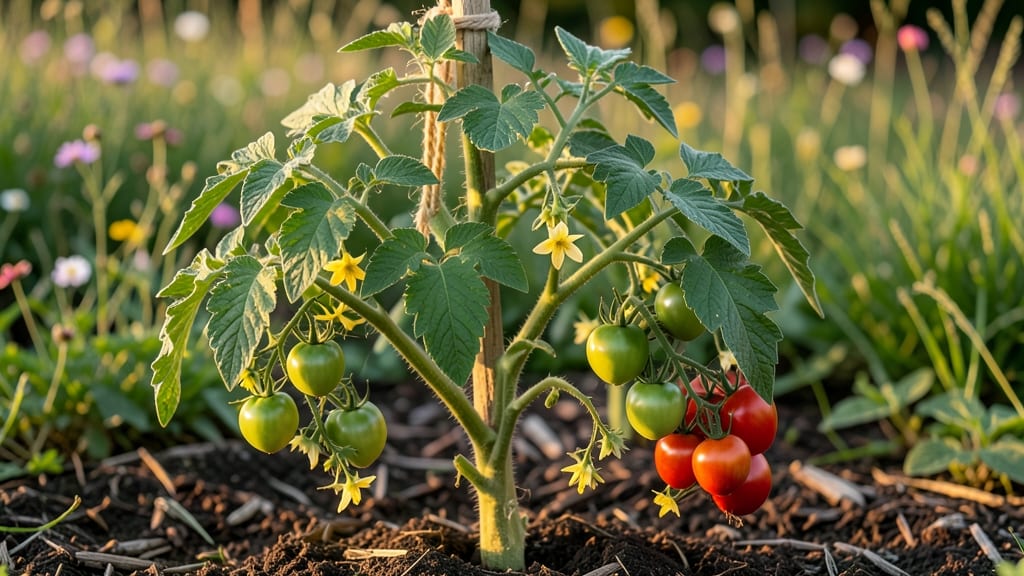
A tomato garden in Vernon, NJ thrives with cold-resistant varieties like 'Early Girl' or 'Stupice' planted after the last frost (mid-April to early May), using well-draining soil amended with compost for optimal growth in the region's humid summers.
Vernon's unique climate—hot summers and unpredictable spring weather—demands the right approach. 🌱 The cold-hardy varieties I recommend aren't just about surviving early frosts; they're bred to handle Vernon's high humidity and occasional late-season heatwaves.
For instance, 'Stupice' produces fruit even under stress, while 'Early Girl' delivers early harvests when other plants might struggle. The key is planting after the last frost date (typically May 1st in Vernon) and ensuring your soil drains well to prevent blossom-end rot, a common issue in our area.
What sets Vernon apart from other NJ regions is its microclimate variations. The northern part of town gets cooler nights, while southern areas bake more quickly. I always adjust my planting schedule by checking local frost data from Rutgers Cooperative Extension—it's the most reliable way to time your garden.
Plus, adding mulch after planting helps retain moisture during our dry spells while keeping roots cool.
💡 In This Article
- Best Tomato Varieties for Vernon NJ’s Climate
- Vernon NJ Tomato Planting and Care Calendar
Best tomato varieties for Vernon NJ’s climate
Vernon’s climate—marked by sudden temperature swings and high humidity—favors tomato varieties that balance cold tolerance with heat endurance. The determinate types like 'Stupice' and 'Roma' excel here because their bushy growth habit matures quickly (typically 60-70 days) before Vernon’s late-summer heat peaks.
These varieties also produce fruit in clusters, reducing the risk of cracking during our frequent afternoon thunderstorms. 🌦️ The key advantage? Their compact size makes them ideal for Vernon’s smaller urban gardens where space is limited.
For those who prefer larger harvests, indeterminate varieties like 'Early Girl' or 'Celebrity' stretch continuously throughout the season, but require sturdy cages or trellises to handle Vernon’s 20-25 mph summer winds. What sets these apart is their disease resistance—critical in Vernon’s damp conditions.
For example, 'Mountain Merit' (a hybrid) resists fusarium wilt, a fungal disease that thrives in our region’s 75-85°F summer nights. The trade-off? Indeterminate types need 3-4 months to bear fruit, so starting seeds indoors in early March gives them the head start they need.
Color matters too. The red-fleshed varieties like 'Better Boy' handle Vernon’s heat better than their yellow or orange counterparts, which can sunburn in our intense 90°F+ afternoons. I’ve found that heirloom types like 'Brandywine' struggle here unless you use row covers during flowering to protect pollen from rain.
The solution? Opt for hybrid varieties bred for NJ conditions—they’ve been selected to thrive where heirlooms often fail.
Don’t overlook the cherry tomatoes either. 'Sweet Million' and 'Tiny Tim' produce prolifically in Vernon’s climate, often continuing into October when other varieties have given up. Their smaller size means they ripen faster and can handle Vernon’s 60% humidity better than larger tomatoes.
The secret? Their skins are thicker, reducing the risk of cracking during our sudden downpours. 🌧️ For maximum success, rotate varieties yearly to prevent soil-borne diseases from building up in your garden beds.
Here’s what to avoid: Heat-sensitive varieties like 'Black Krim' or large beefsteaks that need long, hot seasons to mature. Vernon’s 100-120 day growing season (from last frost to first frost) simply doesn’t provide enough heat accumulation for these types.
Instead, focus on varieties with early maturity ratings (under 75 days) and built-in disease resistance—these are the ones that consistently deliver in Vernon’s challenging conditions.
Pro tip: Check the USDA Plant Hardiness Zone 6b map for Vernon—it’s the best guide for selecting varieties that won’t bolt (flower prematurely) from our cool springs. Pair your choices with mycorrhizal fungi in your soil to boost root health during Vernon’s frequent dry spells.
The result? Tomatoes that taste sweeter and produce heavier yields, even in our humid summers. 🍅