
Tools
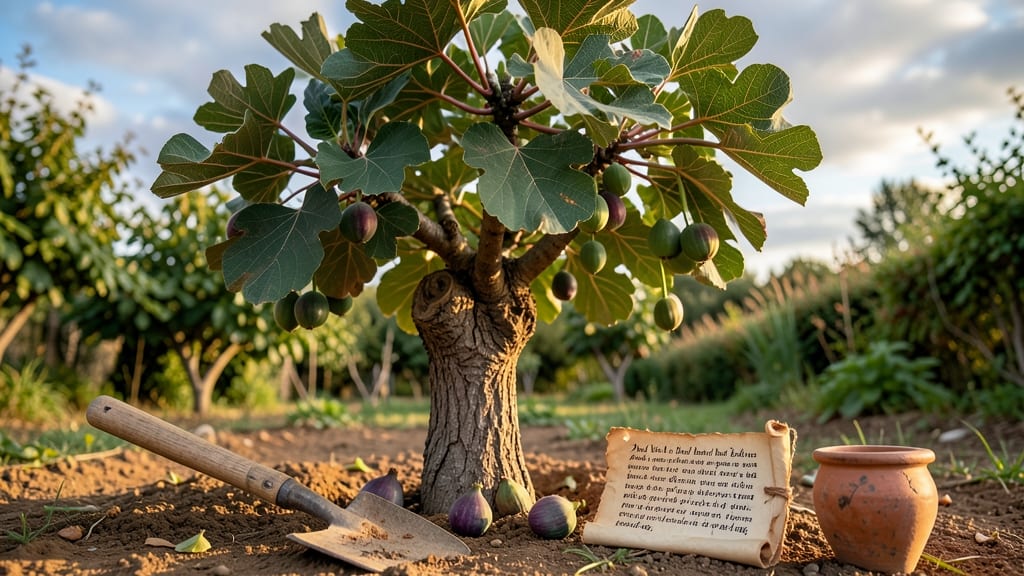
The garden in the Bible primarily symbolizes the Garden of Eden, described in Genesis 2-3 as humanity's first home—a place of perfect harmony, abundant life, and divine presence, featuring the Tree of Life and the Tree of Knowledge.
The Garden of Eden isn't just a story—it's a foundation for understanding humanity's relationship with God. 🌿 This sacred space represents both divine blessing and the consequences of free will, from its lush vegetation to the forbidden fruit that led to expulsion.
Beyond Eden, biblical gardens like Gethsemane (where Jesus prayed before crucifixion) carry their own profound meanings, linking creation, sacrifice, and redemption throughout Scripture.
What's fascinating is how these gardens reflect spiritual truths through physical elements. The Tree of Life symbolizes eternal life with God, while the serpent in Eden represents temptation's power. These themes appear again in later biblical gardens, showing how God uses nature to teach us about faith, obedience, and grace.
💡 In This Article
- Biblical Names of Sacred Gardens and Their Symbolic Meanings
- Creating a Biblical Garden: Plants and Designs Inspired by Scripture
Biblical names of sacred gardens and their symbolic meanings
The Garden of Eden stands as the most foundational biblical garden, described in Genesis 2:8-9 as a place where "every tree that is pleasant to the sight and good for food" grew abundantly. This paradise wasn't just a physical location but a symbol of perfect communion between humanity and God.
The Hebrew word used, 'eden, translates to "delight" or "luxuriance," emphasizing its role as a source of life and joy. Its four rivers—Pishon, Gihon, Hiddekel (Tigris), and Euphrates—represent divine provision flowing outward to nourish all creation.
Contrast this with the Garden of Gethsemane, where Jesus prayed before his crucifixion (Matthew 26:36). The name Gethsemane means "oil press," reflecting the crushing weight of Jesus' prayer: "My soul is overwhelmed with sorrow to the point of death" (Matthew 26:38).
This garden becomes a symbol of sacrifice and divine love, where Jesus' agony transforms suffering into redemption. The olive trees present would have been familiar to ancient Israelites as symbols of peace and prosperity, adding layers to the scene's spiritual weight.
Another significant garden appears in Ezekiel 47:1-12, where the prophet describes a river flowing from the temple, creating an Eden-like paradise with trees bearing fruit for healing. This vision emphasizes restoration and God's promise to renew creation.
The river's life-giving properties mirror Eden's original abundance, showing how biblical gardens often represent God's provision and His plan for redemption throughout history. 🌟
Historical interpretations reveal these gardens as more than literal places—they're theological concepts. The serpent in Eden (Genesis 3:1) represents temptation's power, while the Tree of Life symbolizes eternal communion with God.
In Gethsemane, the olive press becomes a metaphor for spiritual transformation through suffering. These symbols appear consistently, showing how gardens in Scripture serve as physical manifestations of deeper spiritual truths.
Consider the practical implications: these gardens teach us about divine presence, human choice, and redemption. Eden shows the consequences of disobedience, while Gethsemane demonstrates how suffering can lead to greater good.
The Ezekiel vision offers hope for restoration. Together, they create a narrative arc from creation to redemption, with gardens serving as key locations where God reveals His character and plans.
What's particularly striking is how these gardens use natural elements to convey spiritual truths. The lush vegetation of Eden represents God's creative power, while the olive trees of Gethsemane symbolize peace amidst turmoil.
This connection between physical and spiritual realms appears throughout Scripture, showing how God uses creation to teach us about faith and salvation.