
Companion Plants
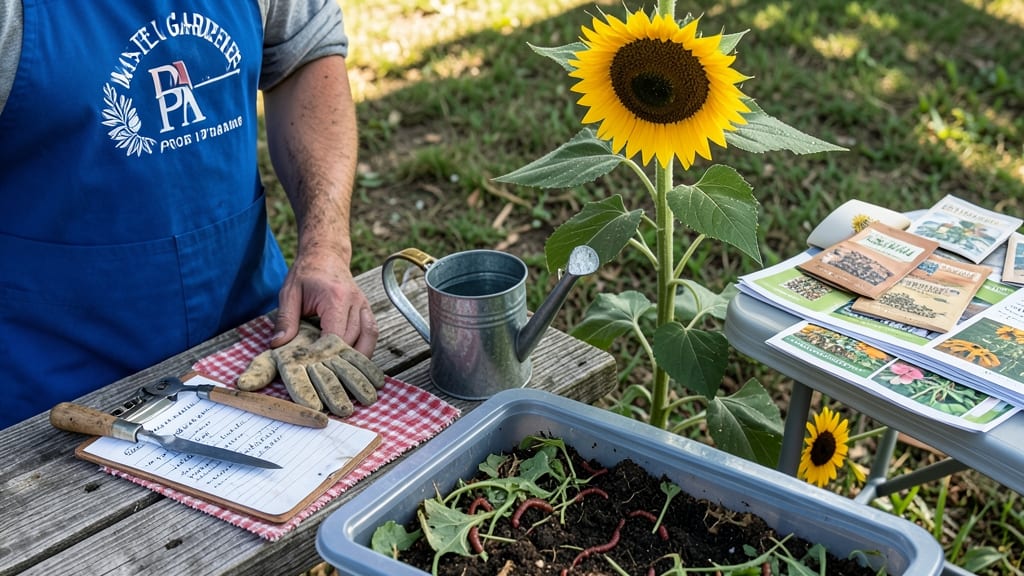
The Pennsylvania Master Gardener Program transforms passionate gardeners into certified horticulture experts through an intensive 120-hour curriculum covering plant science, pest management, and sustainable gardening techniques. Costs vary by county between $150-$300, with spring applications requiring background checks and a commitment to community service hours.
This program stands out because it blends classroom learning with hands-on experience, giving participants real-world skills they can immediately apply in their own gardens or community projects. 🌱 The curriculum goes beyond basic gardening to teach advanced topics like soil microbiology and integrated pest management—knowledge that helps gardeners make more informed decisions about plant health.
What's especially rewarding is how graduates use their certification to mentor others, often through local extension offices or school gardens, creating a ripple effect of green thumbs across Pennsylvania.
One of the program's unique strengths is its focus on regional adaptation—teaching participants how to work with Pennsylvania's diverse climate zones and native plant species. This practical approach means graduates aren't just memorizing facts but learning how to solve real gardening challenges in their own backyards or community spaces.
The service commitment also builds a network of gardening ambassadors who share knowledge far beyond the classroom.
💡 In This Article
- Pennsylvania Master Gardener Training Curriculum Breakdown
- How to Maximize Volunteer Opportunities as a PA Master Gardener
Pennsylvania Master Gardener training curriculum breakdown
The Pennsylvania Master Gardener Program's curriculum is meticulously designed to transform hobbyists into science-backed horticulturists. The 120-hour program typically spans 12-14 weeks with weekly sessions combining classroom instruction and hands-on labs.
Participants dive into core subjects like plant physiology (how plants absorb nutrients through their roots), entomology (the study of insects and their life cycles), and soil science—where they learn to analyze soil pH and nutrient levels using lab equipment like spectrophotometers.
One standout feature is the emphasis on integrated pest management (IPM), which teaches gardeners to identify pests at their larval stages and use biological controls like beneficial nematodes instead of chemical pesticides.
The program also covers organic gardening principles, where students learn to create compost tea with a 1:5 compost-to-water ratio and calculate nitrogen release rates for different organic amendments.
Field trips to local farms and research stations provide real-world applications, such as observing how cover crops improve soil structure in Pennsylvania's clay-heavy regions.
What makes this program unique is its focus on regional adaptation. Students study Pennsylvania's 12 distinct climate zones, learning how to select plants that thrive in their specific microclimates—whether it's the humid summers of the southeast or the shorter growing seasons in the northeast.
The curriculum includes a diagnostic clinic module where participants practice identifying plant diseases by examining leaf samples under microscopes, a skill they'll later use in community outreach.
Advanced topics like plant pathology and urban forestry set this program apart from basic gardening courses. For example, students dissect infected plant stems to study fungal hyphae growth patterns, gaining skills to diagnose problems like verticillium wilt.
The program also teaches sustainable landscaping techniques, including how to design rain gardens that reduce stormwater runoff—a particularly valuable skill in Pennsylvania's flood-prone areas.
The hands-on component is where theory meets practice. Students maintain demonstration gardens where they apply what they've learned, such as testing different mulch types to see which retains moisture longest in Pennsylvania's variable weather.
These practical applications ensure graduates can immediately apply their knowledge to their own gardens or community projects, creating a tangible impact from day one.
One often-overlooked aspect is the program's focus on communication skills. Participants learn to present gardening information to diverse audiences, from schoolchildren to senior citizen groups.
This training is invaluable for those who want to teach gardening workshops or write for local publications, turning their certification into a platform for sharing knowledge beyond their immediate community.