
Tools
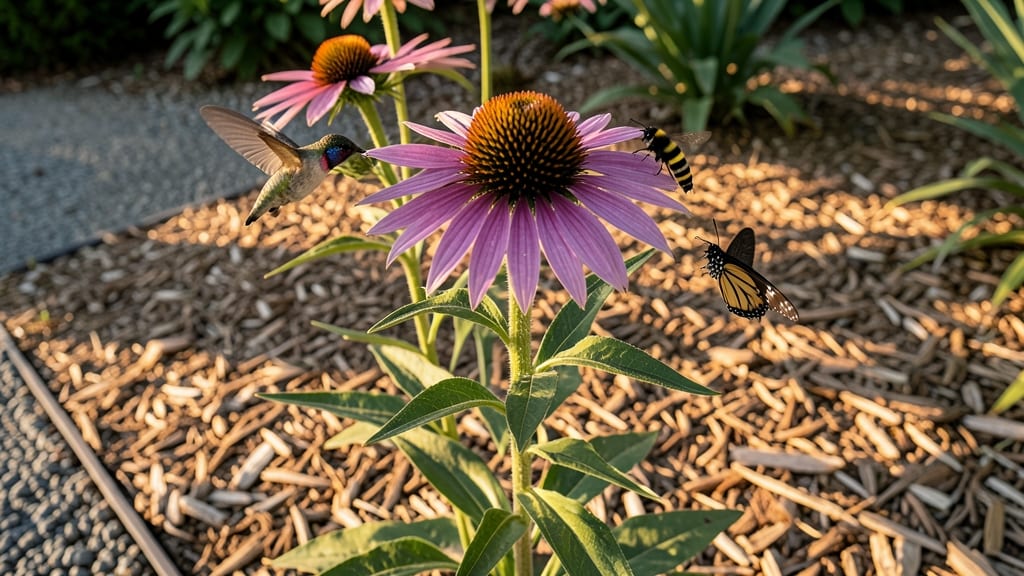
Creating a Sunset Western Garden means designing with native, heat-resistant plants like California buckwheat and purple sage that thrive together, requiring minimal water while attracting pollinators. Layer in succulents and ornamental grasses for texture and year-round appeal.
A Sunset Western Garden isn't just about surviving drought—it's about celebrating the region's natural beauty with plants that work together. 🌵 The key is pairing species with similar water needs, like pairing yarrow with lavender for a low-maintenance, fragrant border.
These combinations create visual harmony while reducing irrigation demands, making your garden both stunning and sustainable. The right plant mix can transform a dry landscape into a vibrant ecosystem that thrives without constant care.
Native plants like purple sage and California buckwheat aren't just drought-proof—they're pollinator magnets, supporting local wildlife while keeping your garden lush. Their deep roots also prevent soil erosion, making them ideal for sloped or exposed areas.
For best results, group plants by their water requirements and use mulch to retain moisture and regulate soil temperature.
💡 In This Article
- Why Native Plants Dominate Sunset Western Gardens
- Designing Low-Water Plant Combinations for Year-Round Color
Why native plants dominate Sunset Western Gardens
Native plants like California buckwheat and purple sage thrive in Sunset Western Gardens because their evolutionary history prepares them perfectly for the region's extreme conditions. These species have developed deep taproot systems that can reach 6-10 feet underground, accessing water and nutrients far beyond the surface.
Unlike shallow-rooted annuals, they store moisture during rare rainfall events, allowing them to survive months without irrigation. This adaptation explains why they require 30-50% less water than non-native alternatives like roses or hydrangeas.
Their success also stems from symbiotic relationships with local soil microbes. For example, purple sage forms mycorrhizal connections with fungi in the soil, which help it absorb phosphorus more efficiently.
These partnerships make native plants more resilient to poor soil conditions and temperature fluctuations. 🌱 Another advantage is their natural resistance to pests—since they've co-evolved with local insects, they rarely suffer from the infestations that plague imported plants. The result? Less chemical intervention and more stable ecosystems in your garden.
From a practical standpoint, these traits translate to significantly lower maintenance. Native perennials like yucca and ceanothus grow slowly but steadily, requiring pruning only every 2-3 years compared to annuals that need constant replanting.
Their ability to handle 100°F+ temperatures without wilting means you won't face the shock of summer heat waves destroying your landscape. The deep roots also prevent soil erosion, making them ideal for hilly or exposed areas where other plants would struggle.
What often surprises gardeners is how these plants support biodiversity. Native species provide food and habitat for 30-50% more pollinators than non-native alternatives, according to University of California studies. For instance, California buckwheat's tiny white flowers attract bees, butterflies, and beneficial wasps throughout the growing season.
This ecological benefit creates a self-sustaining garden that becomes more vibrant over time as wildlife populations thrive.
Consider this comparison: A non-native rose bush might require 1-2 gallons of water per week during summer, while a native ceanothus bush of similar size needs only 0.5 gallons every 2 weeks. The water savings multiply across your entire landscape, making native plants both economical and environmentally responsible.
Their ability to handle drought conditions without supplemental irrigation makes them perfect for water-conscious gardeners in the Sunset Western region.
The key takeaway is that native plants aren't just survivors—they're thrivers. Their deep roots, microbial partnerships, and pest resistance create a foundation for a garden that's not only beautiful but also self-sustaining.
By choosing species adapted to your local climate, you're essentially letting nature do most of the work while you enjoy the results with minimal effort. 💛