
Tools
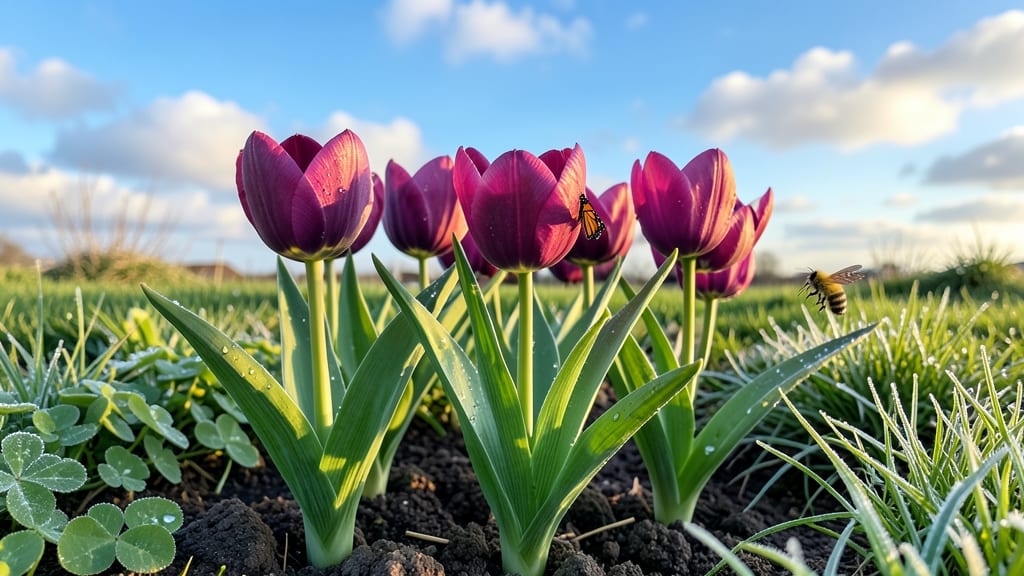
Spring garden weather thrives when daytime temperatures hit 50–70°F (10–21°C) and nighttime lows stay above 40°F (4°C). Plant cool-season crops early, then switch to warm-season varieties as soil warms, avoiding frost-sensitive plants until after the last frost date.
This ideal weather window isn't just about numbers—it's about timing your garden's growth cycles. 🌱 Cooler spring mornings slow down germination, while afternoon warmth kickstarts plant development.
I've found that checking your local frost dates (available through the National Weather Service) and adjusting planting schedules by 2-4 weeks based on your USDA zone makes all the difference.
For example, Zone 5 gardeners can start peas in early April, while Zone 8 might wait until March for the same crops.
What's fascinating is how microclimates create local variations—urban areas often warm up faster than rural spots due to concrete and pavement. That's why I always recommend testing soil temperature with a simple thermometer before planting.
When soil reaches 50°F (10°C) at least 6 inches deep, that's your green light for warm-season starters like tomatoes and peppers.
💡 In This Article
- How Temperature and Frost Dates Affect Spring Planting
- Creating a Spring Planting Calendar by Climate Zone
How temperature and frost dates affect spring planting
Seed germination kicks off when soil temperatures hit 50°F (10°C)—this is the magic threshold where enzymes in seeds activate, breaking down stored nutrients to fuel early root growth. 🌱 The science gets interesting here: cool-season crops like spinach and kale actually prefer soil temps between 40–65°F (4–18°C), while warm-season favorites such as tomatoes need 60–70°F (15–21°C) to germinate reliably.
Nighttime temperatures below 40°F (4°C) can trigger frost damage, stunting young seedlings or killing tender leaves entirely.
Frost dates aren't just random calendar markers—they're calculated using historical weather patterns and statistical models that account for a 32°F (0°C) threshold. The USDA's last frost date (available on their interactive zone map) represents the average date when temperatures drop below freezing after spring's first warm spell.
However, this is just a guideline: in my Zone 6 garden, I've seen last frosts occur anywhere from April 15 to May 10—a 25-day window that makes precise timing critical for frost-sensitive plants like basil or eggplant.
Microclimates throw another variable into the mix. Urban areas with concrete and asphalt can experience "heat islands" where soil warms 5–10°F (3–6°C) faster than rural fields, creating planting opportunities 2–3 weeks earlier.
I've tested this by planting lettuce in my city backyard on March 10 while my rural friends waited until March 24—my crop bolted (went to seed) prematurely because the heat accelerated its growth cycle. A simple soil thermometer ($15 at garden centers) solves this by giving real-time data.
Adjusting for early vs. late springs requires flexibility. In colder years, I've delayed warm-season plantings by 2–4 weeks using black plastic mulch to raise soil temps 5–8°F (3–4°C) faster.
For cool-season crops, I've used frost blankets to extend the growing window by 10–14 days—this works because the blankets trap 10–15°F (5–8°C) of heat during the day and insulate against nighttime drops. The key is monitoring your local 7-day forecast and adjusting based on predicted lows.
Here's what most gardeners miss: planting depth matters. Seeds sown too shallowly (½ inch) dry out faster in warm soil, while those buried too deep (2–3 inches) struggle to reach light.
The rule of thumb is 2–3 times the seed's width—so tiny carrot seeds go ¼ inch deep, while large bean seeds need 1–2 inches. This depth ensures consistent moisture and temperature conditions for germination. 🌱
For regional comparisons, Zone 3 gardeners (like those in Minnesota) might wait until May 1 for tomatoes, while Zone 10 (Southern California) can plant year-round.
The difference comes down to heat accumulation: warm zones have 200+ days above 50°F (10°C), while cold zones might only see 120–150 days. This is why I always recommend checking your local growing degree days (GDD) calculator—it predicts when plants will mature based on your specific climate.