
Planting
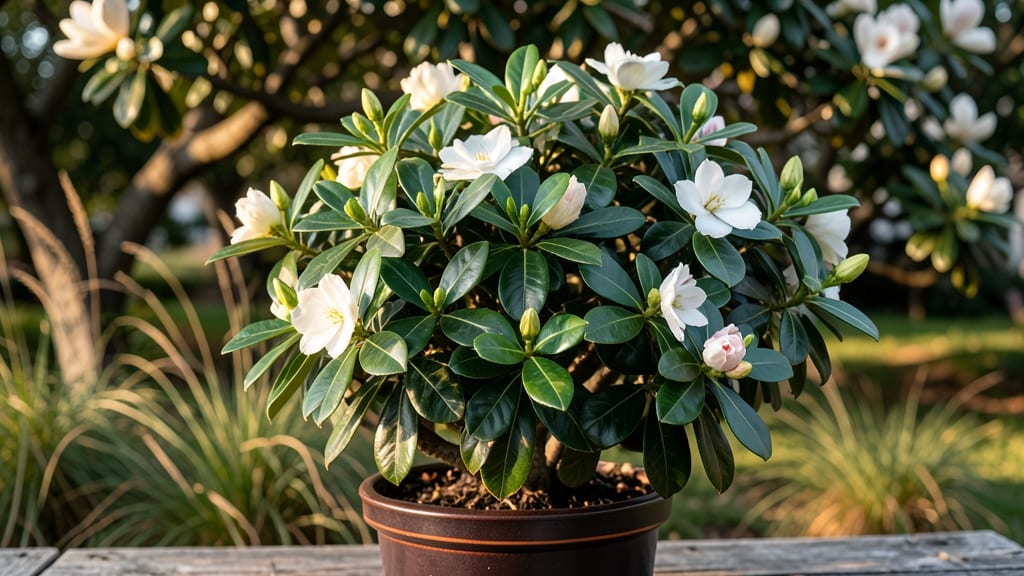
Gardenia bushes thrive best in USDA zones 8 through 11, where warm winters prevent frost damage that can kill these tropical plants. Growers in cooler climates must use winter protection or container cultivation to keep them alive.
These tropical beauties struggle in cold climates because their delicate leaves and buds can't tolerate temperatures below 25°F. 🌿 In zones 8-11, gardenias naturally bloom year-round, but in marginal zones, they may only flower sporadically unless given proper winter care.
I've seen gardeners in zone 7 successfully grow them by bringing potted plants indoors during winter months—this simple shift makes all the difference.
For those in zones 8-11, proper soil drainage and afternoon shade help prevent stress, while mulching protects roots from temperature swings. The key is mimicking their native tropical environment as closely as possible, whether through containers or strategic planting locations.
💡 In This Article
- Understanding Gardenia Bush Cold Sensitivity
- Planting Gardenia Bushes in Different USDA Zones
Understanding gardenia bush cold sensitivity
Gardenia bushes originate from tropical regions where temperatures rarely drop below 60°F—their natural habitat includes Southeast Asia and parts of Australia, where humidity stays consistently high. This tropical heritage means their biological systems aren't adapted to handle cold snaps.
When exposed to temperatures below 25°F, gardenias experience what botanists call "chilling injury," where cell membranes rupture and water content freezes, leading to irreversible damage. The leaves develop brown spots, stems blacken, and buds fail to open, often killing the plant entirely.
The real damage happens during dormancy cycles. Unlike temperate plants that enter a protective rest state, gardenias don't have natural cold resistance mechanisms. Their metabolic processes slow dramatically below 50°F, but they can't survive prolonged exposure to frost.
Even brief dips to 32°F can trigger leaf drop and stunt flowering for the entire season. What's fascinating is how their blooming cycles are directly tied to temperature stability—consistent warmth above 65°F triggers continuous flowering, while cold shocks disrupt this hormonal balance completely.
This sensitivity explains why gardenias in zones 8-11 thrive with minimal care—they receive the stable warmth they need. But in colder regions, growers must compensate by creating microclimates. For example, planting near south-facing walls captures reflected sunlight that raises ambient temperatures by 5-10°F during winter.
Another trick is using thick mulch layers (3-4 inches of pine bark) that insulate roots from ground-level cold, maintaining soil temperatures above 55°F even when air temps drop.
What most gardeners don't realize is how humidity plays a critical role in cold tolerance. Gardenias need atmospheric moisture levels above 50% to prevent desiccation—a common problem when cold air dries out leaves.
In zones 7 and below, this means supplementing with indoor humidity trays or misting systems during winter months. The combination of warmth, moisture, and protection from wind creates the tropical-like conditions these plants crave.
For those pushing gardenias into marginal zones (like zone 7b), container cultivation becomes essential. Potted plants can be moved to protected garages or sunrooms when nighttime temperatures approach 40°F, then returned outdoors when daytime highs reach 65°F.
The key is monitoring temperature swings—gardenia roots can't handle sudden drops of more than 15°F in 24 hours without stress. This is why professional growers in cooler climates often use heat lamps or insulated plant wraps during critical winter periods.
Interestingly, some gardenia varieties show slightly better cold tolerance than others. For instance, 'Kleim's Hardy' gardenia can withstand brief exposures to 20°F with proper protection, while 'Radicans' types are more sensitive.
The difference lies in their genetic adaptations—hardier varieties have thicker cuticles and more waxy leaf coatings that reduce water loss during cold snaps. However, even these tougher varieties won't survive extended freezing without intervention.
Understanding this cold sensitivity helps explain why gardenias often fail in northern climates without special care. The plants aren't just "picky"—they're biologically programmed to thrive in environments that most U.S. gardeners can't naturally provide.
This is why container growing and winter protection aren't just helpful—they're often essential for survival in cooler regions. 🌱