
Advice
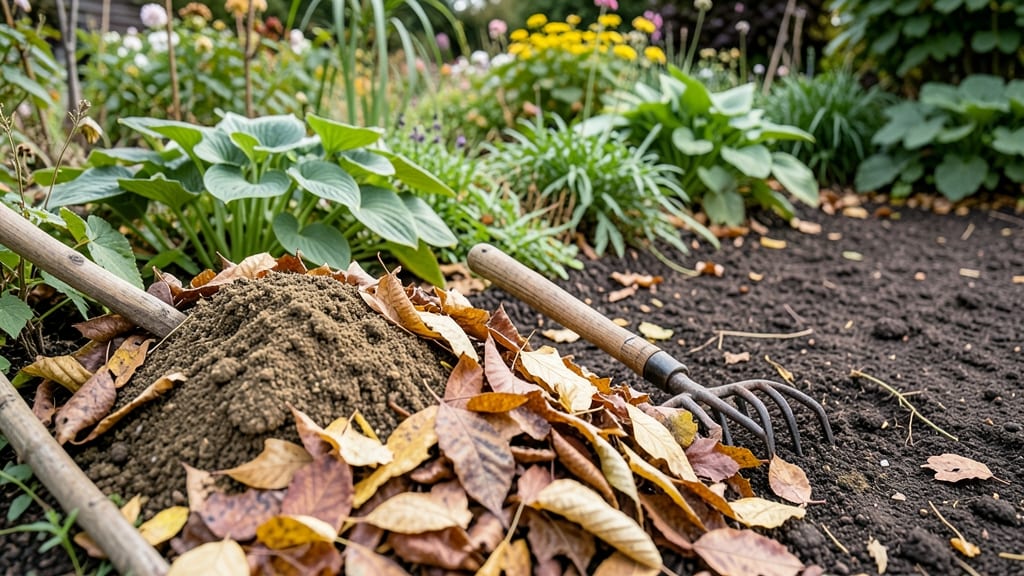
Leaving leaves on garden beds provides natural mulch that retains soil moisture, suppresses weeds, and feeds soil organisms, but remove thick layers to prevent smothering plants or attracting pests. Seasonal timing matters most for optimal benefits.
Leaving leaves on garden beds acts like a free, organic blanket for your soil, locking in moisture and protecting roots from temperature swings. 🌿 The key is balance—thin layers (about 2-3 inches) decompose into nutrient-rich compost, while thick piles can suffocate plants or invite slugs.
I’ve found that shredding leaves first speeds up decomposition and prevents matting, especially in wet climates. Spring is the best time to leave them, while winter’s heavy layers should be composted instead.
What’s interesting is how leaves transform over time. In fall, they create a protective barrier against frost, while in summer, they gradually break down to feed beneficial microbes. The carbon-to-nitrogen ratio in leaves (about 50:1) means they decompose slowly—pairing them with nitrogen-rich materials (like grass clippings) can accelerate the process.
For container gardens or delicate perennials, I always remove leaves entirely to avoid disease risks.
💡 In This Article
- How Leaves Benefit Soil Health and Plant Growth
- Seasonal Leaf Management Guide for Garden Beds
How leaves benefit soil health and plant growth
Leaves act as nature's mulch, creating a protective layer that mimics the forest floor's nutrient cycle. When left in place, they decompose slowly due to their high carbon content (about 50:1 carbon-to-nitrogen ratio), which feeds beneficial soil microbes like fungi and bacteria.
These organisms break down the leaves into humus, a dark, spongy material that improves soil structure and water retention. Think of it like a slow-release fertilizer—each fallen leaf becomes a tiny time capsule of nutrients for your plants.
The decomposition process also regulates soil temperature by insulating roots from extreme heat or cold. In summer, a 2-3 inch layer of leaves can keep soil 10-15°F cooler than exposed ground, while in winter, it prevents temperature drops that could damage tender roots.
The leaf layer also blocks sunlight, which suppresses weed seeds from germinating—a natural way to reduce competition for water and nutrients. This is why gardeners often see fewer weeds in areas with good leaf mulch.
What's fascinating is how leaves recycle nutrients back into the soil. As they decompose, they release phosphorus, potassium, and trace minerals that plants need. For example, oak leaves (which contain high tannins) break down into a soil conditioner that improves drainage, while maple leaves add calcium.
The key is balance—too many leaves can create a thatch layer that blocks water and air, while just the right amount creates a thriving microbial ecosystem.
For container gardens or raised beds, leaves work differently. In these cases, a 1-inch layer is ideal because the soil warms up faster and drains better. Too many leaves can compact and suffocate roots in confined spaces.
I've noticed that in my own raised beds, a mix of leaves with compost creates the perfect environment—moisture retention without compaction. The leaves break down slowly, feeding the compost over time rather than all at once.
One common misconception is that all leaves are equal. In reality, leaf type matters—deciduous leaves (like oak or maple) decompose faster than evergreen needles, which are more acidic.
If you have a mix, the evergreens will acidify the soil over time, potentially affecting plants that prefer neutral pH. For acid-loving plants like blueberries, this isn't a problem, but for most vegetables, a balanced mix works best.
Here's a practical tip: If you're leaving leaves in place, consider chopping or shredding them first. This speeds up decomposition and prevents matting, which can create a barrier that blocks water and air from reaching the soil.
A simple lawnmower or leaf shredder can turn thick piles into fluffy mulch in minutes. 🌿