
Landscaping
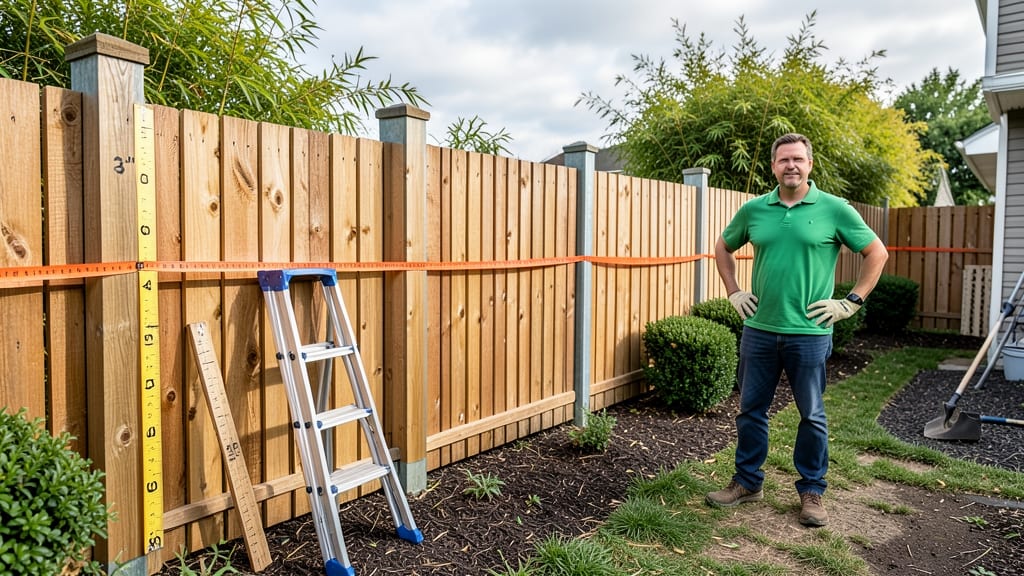
To determine how high a garden fence should be, aim for 6 to 8 feet for full privacy and security, but verify local laws first—many areas cap residential fences at 4 to 6 feet to maintain neighborhood visibility and safety standards.
Fence height regulations vary dramatically depending on where you live, with some states allowing up to 8 feet while others enforce strict 4-foot limits in residential zones. 🌳 For instance, California generally permits 6-foot wood fences, but HOAs or historic districts may enforce even lower limits.
The key is to balance privacy with legal compliance—what works in a rural setting might trigger fines in a suburban neighborhood. Materials also play a role: taller fences often require stronger posts and more durable materials to avoid sagging or leaning over time.
When planning your fence, consider both the visual impact and practical needs. A 4-foot fence offers light screening for small yards, while a 6-foot fence provides full privacy for backyard spaces.
For added security, some homeowners opt for 8-foot fences, though these may require permits and could face pushback from neighbors concerned about visibility. Always check with your local building department before installation to avoid costly modifications later.
💡 In This Article
- Legal Height Limits for Garden Fences by State and Municipality
- Choosing the Right Fence Height for Privacy and Functionality
Legal height limits for garden fences by state and municipality
Fence height regulations exist primarily to balance privacy with neighborhood aesthetics and safety. Municipalities enforce these rules through zoning ordinances, which often prioritize visibility for emergency vehicles and pedestrian safety.
For example, many suburban areas cap residential fences at 4 to 6 feet to ensure visibility between properties, while rural zones may allow taller fences (6 to 8 feet) due to larger property sizes.
The reasoning behind these limits stems from historical concerns about fire safety and neighbor disputes—taller fences can block views of driveways or emergency access routes. 🌳
State laws provide general guidelines, but local municipalities often impose stricter rules. In California, for instance, most counties permit 6-foot wood fences in residential areas, but cities like Los Angeles may enforce 4-foot limits in single-family zones.
Florida typically allows 6-foot fences, while Texas varies widely—some cities cap at 4 feet, while others permit 8 feet for agricultural or security purposes. Always verify with your county's building department, as HOAs or historic districts may enforce even lower limits to preserve neighborhood character.
Exceptions often apply for agricultural or decorative fences. For example, a 6-foot chain-link fence might be allowed for livestock containment where a wood fence wouldn't, while a 4-foot decorative fence (like lattice or wrought iron) could comply in areas where solid fences are restricted.
Some states also permit temporary fences (6 feet) during construction if they're removed within a set timeframe. These exceptions highlight how regulations adapt to functional needs beyond pure privacy. ✨
Safety is another critical factor in height restrictions. Taller fences can obstruct views of roads, increasing risks for pedestrians or emergency responders. For instance, a 7-foot fence in a suburban area might block visibility of a crosswalk, prompting local codes to enforce stricter limits.
Even in rural settings, fire departments may require 6-foot maximums to ensure fire trucks can navigate properties during emergencies. These considerations explain why regulations often prioritize visibility over pure height preferences.
If you're unsure about local rules, start by checking your city or county's zoning website for "fence height ordinances." Many municipalities offer online tools to search by property address, which can save hours of legwork.
For HOA-governed communities, review the covenants—some restrict fences to 4 feet or require architectural review for any height above 3 feet. Proactively verifying these details can prevent costly modifications or fines after installation. 🏡