
Pests
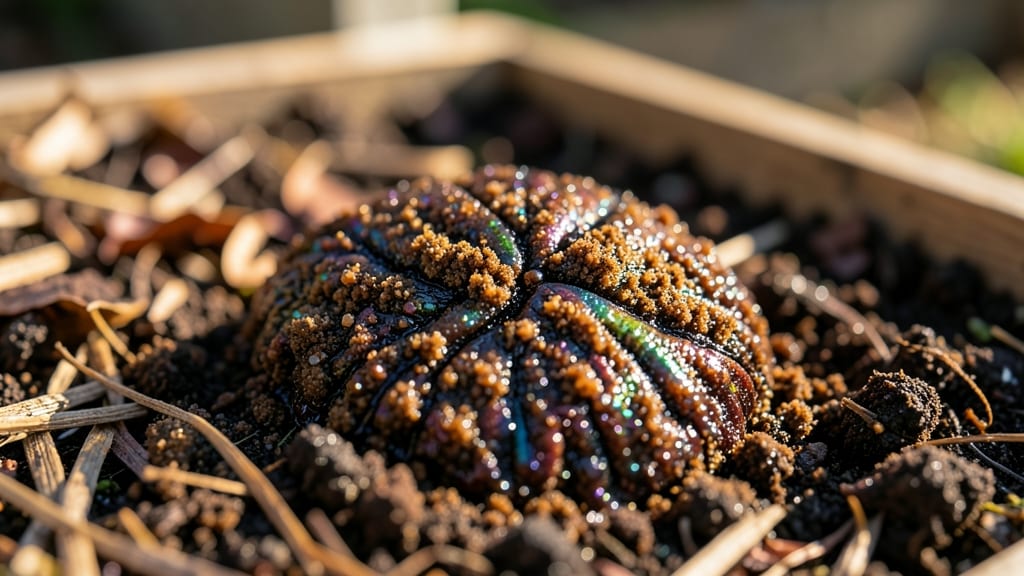
Adding worms to your raised garden bed is beneficial because they enhance soil structure, accelerate nutrient breakdown, and support plant roots—but only if you maintain proper moisture and organic matter levels.
Worms act as natural soil engineers, tunneling through the bed to improve drainage and root penetration while their castings release essential nutrients like nitrogen and phosphorus. 🌱 This makes them especially valuable for container gardens where soil compaction is a common issue.
However, they need consistent moisture—dry conditions will stress them—and a mix of green (nitrogen-rich) and brown (carbon-rich) materials to thrive.
I recommend starting with red wigglers (Eisenia fetida), which are hardy and perfect for composting systems. Simply bury them in a shaded corner of your bed with a mix of damp leaves and kitchen scraps, then monitor their activity by checking for fresh castings and tunnels.
If your bed stays too dry or overheats, worms may leave—so mulch heavily in summer and avoid overwatering.
💡 In This Article
- How Earthworms Boost Raised Garden Soil Health
- Best Practices for Introducing Worms to Raised Beds
How earthworms boost raised garden soil health
Earthworms act like tiny soil plows, creating tunnels that aerate compacted raised beds while improving water infiltration. Their burrowing disrupts dense layers, allowing roots to penetrate deeper—studies show worm tunnels can increase soil porosity by up to 30% compared to non-worm soil.
This is especially valuable in container gardens where soil often becomes tightly packed over time. 🌱
The real magic happens in their digestive systems. Worms ingest organic matter (like leaf litter or kitchen scraps) and process it through their gut, producing nutrient-rich castings that contain higher concentrations of nitrogen, phosphorus, and potassium than the original material.
A single worm can produce about its body weight in castings daily—meaning a healthy population of 100 worms could generate 2-3 pounds of castings monthly!
Beyond physical and chemical benefits, worms create ideal conditions for beneficial microbes. Their tunnels provide protected microhabitats where bacteria and fungi thrive, breaking down complex organic compounds into plant-available nutrients.
This microbial activity also helps suppress harmful pathogens, creating a more balanced soil ecosystem. Think of worms as nature's recycling crew—turning waste into fertilizer while improving soil structure.
Worm activity also regulates soil temperature and moisture. Their tunnels create microclimates that moderate heat fluctuations, protecting roots during summer heatwaves. And because worms bring subsoil nutrients to the surface through their castings, they effectively "fertilize" your garden without requiring additional amendments.
For leafy greens and root vegetables, this means faster germination and stronger growth from day one.
One often-overlooked benefit is their role in breaking down tough organic materials. Worms can process materials like straw, wood chips, and even small twigs that might otherwise take years to decompose. This rapid decomposition releases nutrients more quickly than natural processes, giving plants a continuous supply of food.
The key is maintaining proper moisture—worms need soil that feels like a damp sponge (about 40-60% moisture content) to stay active.
For container gardens, this means regular watering (especially in hot climates) and a mix of carbon-rich materials (like shredded leaves) with nitrogen sources (like coffee grounds). The ideal ratio is about 30 parts browns to 1 part greens—this balance keeps worms happy while preventing odors.
When conditions are right, you'll see visible signs like fresh castings on the soil surface and small mounds of worm-friendly mulch.