
Vegetables
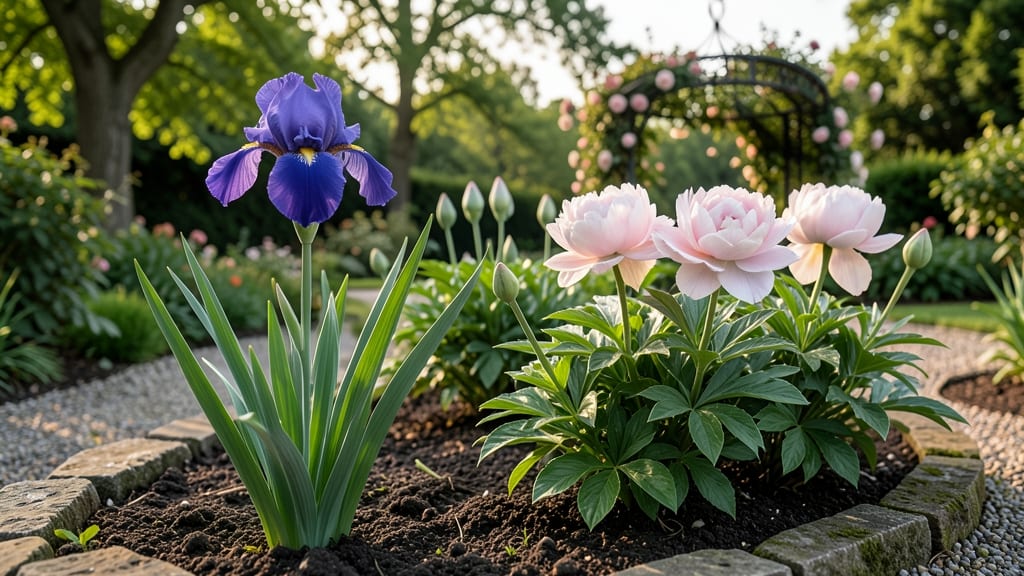
The Royal Botanical Gardens Burlington features 2,600 acres of themed gardens, woodlands, and seasonal displays, offering guided tours, family-friendly trails like the Rock Garden and Japanese Garden, plus access to the Conservatory and special events throughout the year.
The Royal Botanical Gardens Burlington isn't just a green space—it's a year-round destination where every season brings something new. 🌸 From the vibrant spring tulip festivals to the breathtaking fall foliage displays, each visit feels like discovering a different landscape.
The gardens also showcase rare plant collections like orchids and rhododendrons, many of which thrive thanks to the region's unique climate zones. What sets this place apart is how thoughtfully curated it feels, with over 20 themed areas that make exploration both educational and visually stunning.
Beyond the main attractions, there are hidden spots like the Cedar Ridge area that offer quiet escapes from crowds, perfect for photography or peaceful reflection.
The gardens also prioritize accessibility with paved trails and visitor-friendly amenities, making it easy for everyone to enjoy nature. 💫 Whether you're a plant enthusiast or just looking for a scenic day out, Burlington's botanical gardens deliver an experience that keeps visitors coming back in every season.
💡 In This Article
- Exploring Royal Botanical Gardens' Seasonal Highlights and Plant Collections
- Hidden Gems and Smart Visitor Tips for Burlington Botanical Gardens
Exploring royal botanical gardens' seasonal highlights and plant collections
The gardens transform dramatically with each season, creating a dynamic experience for visitors. In spring, over 200,000 tulips bloom in the Japanese Garden, their vibrant colors drawing crowds from March through May.
The climate zone here (USDA Zone 6b) allows for both hardy perennials and delicate annuals to thrive simultaneously, creating stunning contrasts. 🌷 During summer, the Rock Garden becomes a sunlit paradise with over 1,500 varieties of alpine plants that require precise moisture control through specialized irrigation systems.
Autumn brings fiery foliage displays that peak in October, with trees like red maples and ginkgos turning brilliant shades of orange and gold.
The gardens' conservation efforts are visible in the Rhododendron Garden, where over 1,200 plants from 20 different species flourish thanks to careful soil pH management (between 4.5-6.0).
Winter visitors enjoy the Conservatory's tropical plants, which maintain 75-85°F temperatures year-round to protect delicate species like orchids and bromeliads from freezing conditions.
What makes these seasonal changes so remarkable is the gardens' strategic plant selection. Each species was chosen based on its bloom timing, color palette, and growth habits to create visual harmony throughout the year.
For example, the Tulip Festival features varieties that bloom sequentially, ensuring vibrant displays from early April through mid-May. The gardens also incorporate native species like trilliums and bloodroots that emerge early in spring before the tulips, creating a natural progression of color.
Behind the scenes, the gardens employ microclimate management techniques to extend growing seasons. In cooler areas like the Woodland Garden, shade-loving plants thrive under the canopy of mature trees, while open meadows receive full sunlight.
This deliberate layering creates habitats for diverse wildlife while maintaining the gardens' aesthetic appeal. 🌿 The result is a living ecosystem that educates visitors about both horticulture and environmental stewardship.
For plant enthusiasts, the Orchid Collection in the Conservatory offers a particularly fascinating experience. With over 500 orchid plants representing 100 species, visitors can observe how these epiphytes grow on specialized mounts that mimic their natural tree-dwelling habits.
The gardens' propagation program ensures these rare plants continue to flourish for future generations to enjoy.
The seasonal highlights aren't just about beauty—they're carefully designed educational experiences. Each garden area includes interpretive signs explaining the botanical characteristics, ecological roles, and cultural significance of the plants.
For example, the Japanese Garden demonstrates traditional wabi-sabi aesthetics through its carefully placed rocks and water features, while the Mediterranean Garden showcases drought-resistant species adapted to less than 12 inches of annual rainfall. 💫