
Vegetables
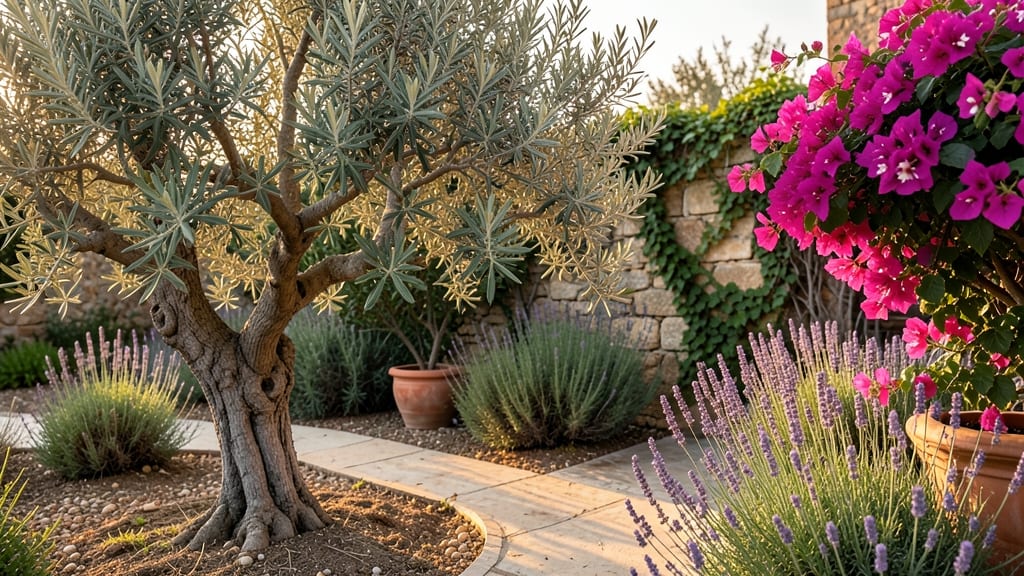
The gardens in Barcelona create serene urban escapes, featuring Mediterranean plants and historic architecture. Standout spots include Park Güell’s colorful mosaics, Labyrinth Park’s tranquil pathways, and Ciutadella’s expansive greenery, each reflecting the city’s deep connection to nature and design.
Barcelona’s urban gardens are more than just green spaces—they’re carefully curated ecosystems that blend nature with the city’s artistic soul. 🌿 From Park Güell’s surreal mosaics designed by Gaudí to the formal orchards of Palau Reial, these gardens showcase Barcelona’s unique fusion of botany and architecture.
The city’s Mediterranean climate nurtures native species like olive trees and rosemary, while hidden gems like Jardins de Mossèn Costa i Llobera offer peaceful retreats with rare cactus collections. Many gardens also serve as community hubs, hosting cultural events and educational workshops year-round.
What makes these gardens truly special is their accessibility—most are free to enter and scattered throughout neighborhoods, making them perfect for spontaneous exploration. Whether you're chasing Instagram-worthy views or simply need a break from the city’s energy, Barcelona’s verdant corners deliver both beauty and tranquility in every visit.
💡 In This Article
- Barcelona’s Most Iconic Gardens and Their Botanical Features
- Hidden Green Gems: Lesser-Known Barcelona Gardens Worth Visiting
Barcelona’s most iconic gardens and their botanical features
Park Güell’s gardens stand out thanks to their trencadís mosaics—broken ceramic tiles arranged in vibrant patterns that Gaudí designed to mimic natural textures. The 14-hectare site features over 3,000 plant species, including Mediterranean shrubs like rosemary and lavender, carefully selected for their drought resistance and aromatic qualities.
The 300-meter serpentine bench, covered in colorful tiles, winds through the garden, offering panoramic views while blending seamlessly with the landscape. 💛
Ciutadella Park’s 17-hectare expanse was originally a military fortress before becoming a public garden in 1717. Its formal gardens feature geometric designs with 2,000 trees, including century-old oaks and magnolias, while the lake attracts migratory birds like herons and ducks.
The park’s cactus garden, home to over 500 species, thrives thanks to Barcelona’s 1,500 hours of annual sunshine, creating a microclimate perfect for succulents. The Parc de la Ciutadella also hosts seasonal events, from flower markets to open-air concerts.
Labyrinth Park’s 12,000-square-meter design features a 1,200-meter-long hedge maze made from myrtle bushes, pruned to create intricate pathways. The garden’s water features, including fountains and a 30-meter-long pond, add a soothing auditory element, while the 150-year-old palm trees provide shade.
Unlike many urban parks, Labyrinth Park maintains a strictly naturalistic approach, avoiding synthetic materials in its construction to preserve the ecosystem. 🌿
Palau Reial’s gardens combine formal French-style terraces with Mediterranean orchards, featuring 200 citrus trees and 50 varieties of olives. The 10,000-square-meter space includes a botanical garden section with rare plants like almond trees and fig trees, many dating back to the 14th century.
The garden’s fountain system, designed to channel water through terraces, demonstrates 18th-century hydraulic engineering still in use today. 💧
What ties these gardens together is their adaptive design—each balances aesthetic beauty with practical sustainability. For example, Park Güell’s drainage system uses natural slopes to prevent erosion, while Ciutadella’s lake filtration relies on aquatic plants like water lilies to maintain clarity.
These features make them not just scenic spots, but living examples of urban ecology. 🌟
Visitors often overlook how these gardens serve as microclimates—their canopy cover can reduce temperatures by up to 5°C compared to surrounding streets. This cooling effect is particularly noticeable in summer, when Barcelona’s average temperature hits 30°C.
Whether you’re admiring Gaudí’s mosaics or wandering through a cactus garden, these spaces prove that urban greenery isn’t just decorative—it’s essential to the city’s well-being. ✨