
Tools
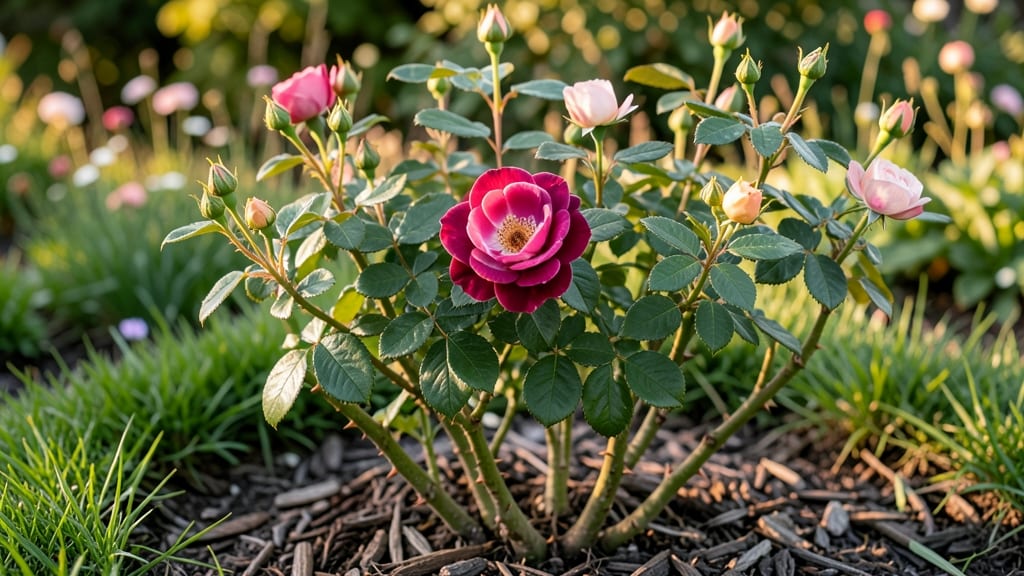
Seattle’s rose gardens showcase breathtaking floral displays throughout the year, with standout locations like the Seattle Rose Garden at Washington Park Arboretum—home to over 500 varieties that bloom from spring to fall—and the Volunteer Park Conservatory, which features rare winter-blooming roses. For the most vibrant experiences, plan your visits between May and September, when the gardens burst with color and fragrance, and explore seasonal events like guided tours and pruning workshops.
Seattle’s mild, maritime climate creates perfect conditions for roses to thrive year-round, with some varieties even blooming in winter thanks to careful cultivation. 🌸 The Washington Park Arboretum’s garden, for example, includes disease-resistant hybrids that withstand Seattle’s frequent rain, while Volunteer Park’s conservatory maintains controlled environments for delicate winter blooms.
What sets these gardens apart is their commitment to preserving both classic and heirloom varieties, offering visitors a living museum of rose history.
Beyond the stunning visuals, these gardens play a key role in Seattle’s horticultural community.
Many host free community events where locals can learn pruning techniques, participate in rose-adoption programs, or even take cuttings to grow at home. 🌿 The best time to visit isn’t just during peak bloom—weekday mornings provide quieter experiences, and late summer often features rare climber roses that climb trellises throughout the gardens.
💡 In This Article
- Seattle’s Best Rose Gardens by Seasonal Bloom Cycles
- Tips for Visiting Seattle Rose Gardens Like a Local
Seattle’s best rose gardens by seasonal bloom cycles
Seattle’s coastal climate—marked by mild winters (35-45°F) and cool summers (65-75°F)—creates ideal conditions for roses that thrive in moist, temperate environments. The Washington Park Arboretum’s Seattle Rose Garden showcases 500+ varieties, including repeat-flowering hybrids like 'Knock Out' roses, which bloom continuously from May through October.
These roses produce flowers on new wood, allowing them to recover from pruning and rebloom multiple times per season—a trait bred specifically for Seattle’s unpredictable weather patterns. 🌸
The Volunteer Park Conservatory, however, focuses on rare winter-bloomers like Noisette roses and China roses, which can tolerate temperatures down to 25°F when protected.
The conservatory’s controlled humidity (maintained at 50-60%) prevents fungal diseases common in Seattle’s rainy season, while its geothermal heating system keeps root zones warm. This microclimate allows roses like 'Winter Wonderland' to bloom as early as December, defying typical seasonal expectations.
Timing your visit aligns with Seattle’s four distinct bloom cycles: Spring (April-June) features hybrid teas and grandifloras, summer (July-August) highlights climbers like 'New Dawn,' and fall (September-October) showcases disease-resistant shrub roses.
The Arboretum’s pruning schedule—conducted in late winter (February-March)—removes dead wood while preserving next year’s blooms, ensuring the garden’s 12-foot-tall trellises remain lush with 100+ rose varieties by May. 🌿
What makes Seattle’s gardens unique is their adaptation to local rainfall. Most roses require 1-2 inches of water weekly, but Seattle’s 36 inches of annual rain means gardeners rely on drainage-enhancing soil mixes and mulching to prevent root rot.
The Arboretum’s raised beds, for example, incorporate perlite and compost to improve aeration, while Volunteer Park’s conservatory uses drip irrigation systems to deliver water directly to roots without wetting foliage—critical for preventing mildew in Seattle’s damp climate.
For visitors, understanding these cycles means prioritizing May-September visits for the full spectrum of colors, from pale yellow 'Iceberg' to deep red 'Black Baccara.' The Arboretum’s 'Rose Walk' features 200+ roses along a 1-mile path, while Volunteer Park’s conservatory offers indoor blooms year-round, including heirloom varieties like 'Souvenir de la Malmaison' that date back to the 1800s. 🌺
Advanced gardeners can observe how Seattle’s microclimates influence bloom times: South-facing slopes at the Arboretum warm 5-10°F warmer than north-facing areas, causing roses like 'Double Delight' to bloom 2-3 weeks earlier in sun-exposed sections.
This natural variation is why the gardens feel like a living laboratory—each rose’s location tells a story of climate adaptation and horticultural ingenuity.