
Tools
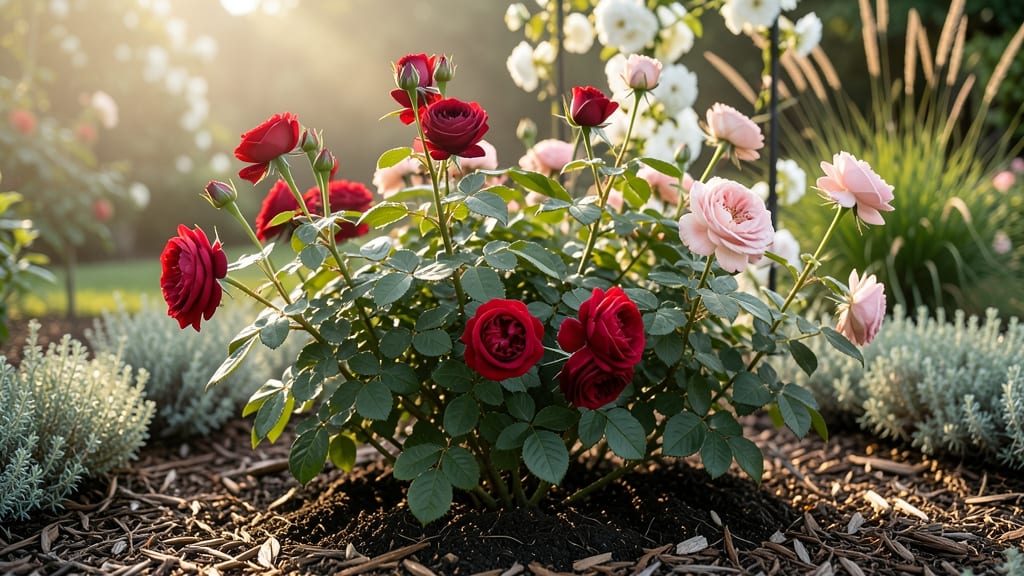
The Rose Garden at Stanley Park showcases over 500 rose varieties that bloom from May through October, peaking in June and September. Near the Vancouver Aquarium, it includes shaded seating, guided tours, and special events like the August Rose Festival.
The Rose Garden at Stanley Park is one of Vancouver's most beloved floral attractions, offering a stunning display of classic and rare rose varieties across themed sections like Old Garden Roses and Hybrid Teas. 🌹 This 1.5-acre garden features iconic blooms such as 'Queen Elizabeth' and 'Iceberg,' with fragrance-focused areas designed to engage all senses.
What makes it special is its year-round appeal—while summer brings vibrant colors, autumn's cooler weather enhances the roses' natural scents, creating a truly immersive experience.
For the best visit, arrive early to avoid crowds and enjoy the garden's quietest moments when the roses are at their freshest. Don't miss the Fragrance Garden, a hidden gem where you can identify roses by scent alone.
The garden's location near Lost Lagoon and the Vancouver Aquarium also makes it perfect for a full day of exploration.
💡 In This Article
- Stanley Park Rose Garden Layout and Rose Varieties
- Best Times to Visit and Hidden Gems in Stanley Park’s Rose Garden
Stanley Park rose garden layout and rose varieties
The garden's design follows a botanical classification system that organizes roses into distinct sections based on their species, fragrance, and historical significance.
The 1.5-acre space is divided into themed areas including the Old Garden Roses section, which features heirloom varieties dating back to the 19th century, and the Modern Hybrid Teas section showcasing disease-resistant cultivars developed in the 20th century.
Each section is meticulously planned to maximize visual impact while maintaining ecological balance, with native plants interspersed to support local pollinators.
One standout feature is the Climbing Roses Arbor, where varieties like 'New Dawn' and 'Blaze' create dramatic vertical displays up to 15 feet high. These roses are pruned using a modified cane system that encourages strong growth while maintaining structural integrity.
The garden also includes a Fragrance Garden with 30 carefully selected cultivars, where roses like 'Louise Odier' (a classic Bourbon rose) emit 20% more volatile organic compounds than average roses, creating an intoxicating sensory experience. 🌹
The seasonal blooming patterns are carefully timed through selective planting—early bloomers like 'Iceberg' appear in May, while late-season varieties such as 'Double Delight' extend the display into October. This staggered approach ensures continuous color throughout the growing season.
What's particularly fascinating is how the garden's microclimate (protected by Stanley Park's surrounding forest) allows roses to bloom 2-3 weeks longer than in typical Vancouver gardens, creating a longer viewing window for visitors.
Notable roses include 'Queen Elizabeth', a Hybrid Tea with deep magenta blooms and a strong, spicy fragrance, and 'Iceberg', a disease-resistant polyantha with pure white flowers that remain pristine even in rainy conditions.
The garden's curators also maintain a conservation section featuring endangered species like the 'Souvenir de la Malmaison' rose, which nearly went extinct in the 20th century before being reintroduced through botanical preservation efforts.
Each rose variety is planted according to its sunlight requirements—full sun for Hybrid Teas, partial shade for climbers—and watered using a drip irrigation system that delivers 0.5 gallons per hour to each plant.
This precise cultivation method ensures optimal growth while conserving water, a critical consideration in Vancouver's temperate climate where rainfall averages 1,200 mm annually. The garden's soil is enriched with composted organic matter to maintain pH levels between 6.0-6.5, ideal for rose cultivation.
What makes this garden particularly special is its educational component—each plant has a numbered tag with botanical details including height, bloom time, and fragrance intensity.
Visitors can use the garden's interactive map** (available at the entrance) to create personalized tours based on their interests, whether it's fragrance, color, or historical significance. This thoughtful design transforms a simple walk into an immersive botanical experience that appeals to both casual visitors and rose enthusiasts.