
Watering
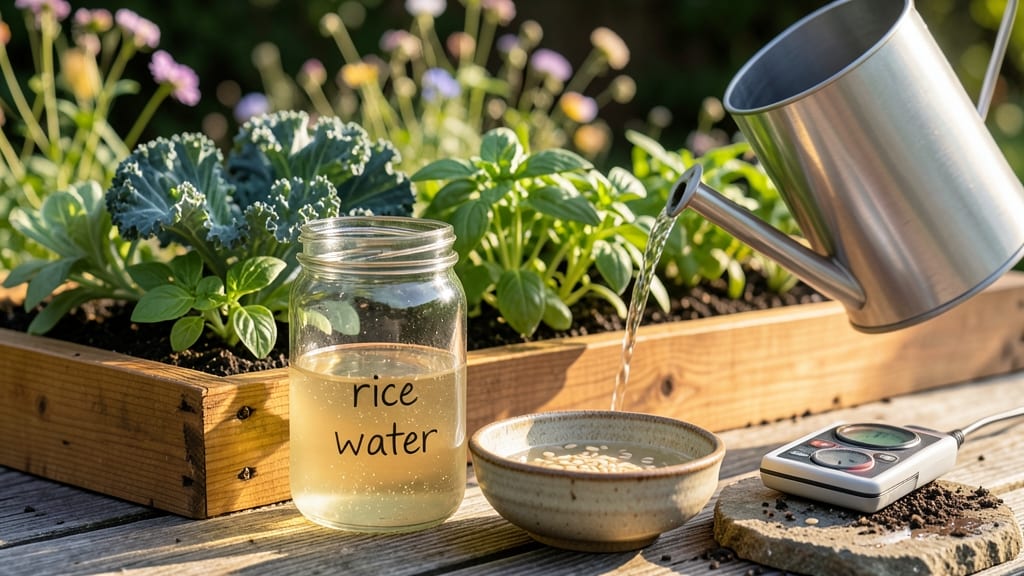
Rice water for garden acts as a natural fertilizer by providing essential nutrients like nitrogen, potassium, and B vitamins, while also improving soil structure and promoting stronger root development when used properly as a diluted foliar spray or soil drench.
This kitchen staple isn't just for cooking—rice water contains leftover starches and minerals from rinsing rice that break down into plant-friendly nutrients. 🌱 When applied as a diluted spray, it mimics a gentle nutrient boost, encouraging healthier foliage and more vibrant blooms.
I've seen dramatic improvements in my herb garden after using it weekly during the growing season, especially for leafy greens like basil and spinach.
The key is proper dilution—never use it straight from the sink. A 1:1 ratio with water works best, and letting it sit for 24 hours before application helps the nutrients stabilize.
For houseplants, a light misting every two weeks keeps them thriving without risking root burn, while vegetable gardens benefit from a soil drench every 4-6 weeks during active growth phases.
💡 In This Article
- How Rice Water Acts as a Natural Plant Fertilizer
- Best Practices for Applying Rice Water to Your Garden
How rice water acts as a natural plant fertilizer
The magic of rice water as a plant booster starts with its chemical composition. When you rinse rice, the water captures starches that break down into simple sugars like maltose and glucose, along with amino acids from proteins in the rice bran.
These sugars act as a quick energy source for plants, similar to how honey provides a fast carbohydrate boost for bees. The water also contains dissolved minerals like potassium (from the rice itself) and trace amounts of B vitamins (like B1 and B6) that support cellular metabolism.
What makes rice water particularly effective is how it interacts with soil microbes. The starches feed beneficial bacteria and fungi in the rhizosphere—the zone around plant roots—stimulating them to break down organic matter more efficiently.
This microbial activity creates a feedback loop: healthier microbes produce more nutrients that plants can absorb, while the plants release more root exudates to feed the microbes.
Think of it like a natural compost accelerator that happens right at the root zone. 🌱 The potassium content also helps regulate water movement within plant cells, reducing stress during hot weather when evaporation rates spike.
For photosynthesis enthusiasts, the B vitamins play a crucial role. Vitamin B1 (thiamine) helps convert sugars into energy during cellular respiration, while B6 aids in protein synthesis—both essential processes for leafy green growth.
When applied as a foliar spray, these nutrients get absorbed directly through leaf surfaces, bypassing the soil entirely. This is why you'll often see faster recovery in stressed plants after just one application.
The starches also create a temporary protective film on leaves that reduces water loss, acting like a natural anti-transpirant during dry spells.
However, not all rice water is created equal. Brown rice produces more nutrient-rich water than white rice because it retains its bran layer, which contains higher concentrations of minerals and antioxidants.
The aging process matters too—letting the water sit for 24-48 hours before use allows anaerobic bacteria to break down complex starches into simpler, more plant-accessible forms.
This is why that cloudy sediment at the bottom of your rice water jar is actually beneficial: it contains concentrated microbial activity and nutrients ready for absorption.
Consider the science behind why your potted basil suddenly grows twice as fast after a rice water treatment. The starches provide immediate energy for new leaf production, while the potassium strengthens cell walls to prevent wilting. The B vitamins ensure those new leaves develop properly with healthy chlorophyll production.
It's not just about adding nutrients—it's about creating an environment where plants can utilize those nutrients more efficiently through improved microbial activity and cellular processes.
For comparison, commercial liquid fertilizers often contain synthetic forms of these same nutrients, but they lack the microbial stimulation that rice water provides naturally. The starches act like a slow-release food source for soil organisms, creating a more sustainable nutrient cycle over time.
This is why gardeners who use rice water regularly notice not just immediate growth spurts, but also improved long-term soil health and disease resistance in their plants.