
Fertilization
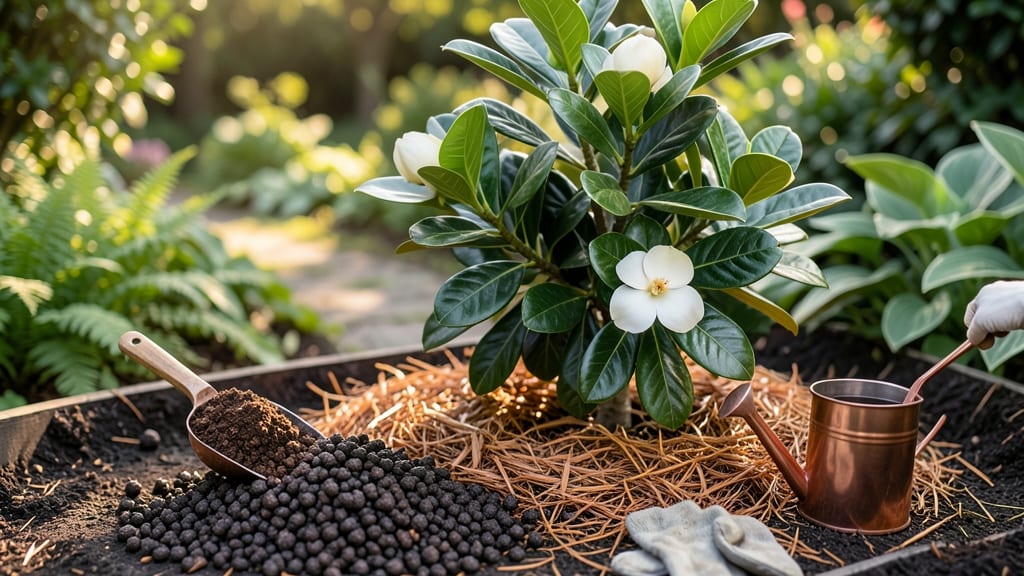
A natural fertilizer for gardenias unlocks their signature fragrant blooms while keeping your soil thriving year-round.
Picture this: your gardenias 🌸 stand tall, their glossy leaves a deep green, and those creamy-white flowers burst open in waves—no harsh chemicals in sight. The key? Mimicking their native soil conditions with acid-loving, plant-safe fertilizers that boost blooms without burning roots.
Most gardeners reach for synthetic fertilizers, but the truth is, gardenias crave organic matter that improves soil structure and feeds them slowly over time. From coffee grounds to banana peels, these kitchen scraps and yard waste can transform your soil into a nutrient powerhouse.
In this guide, I’ll share 5 easy DIY fertilizers that work faster than store-bought mixes, how often to apply them, and the telltale signs your gardenias are begging for more. Let’s get those blooms thriving the natural way!
Top 5 natural fertilizers that gardenias thrive on (and how to use them)
Gardenias love acidic soil with a pH between 5.0–6.5, but many gardeners struggle to maintain this balance naturally. The good news? Your kitchen and yard already hold powerful, plant-safe fertilizers that can transform your gardenias into blooming powerhouses.
These organic alternatives not only feed your plants but also improve soil structure and microbial life—key factors for year-round blooms.
From coffee grounds to worm castings, each of these fertilizers targets specific needs: acidity, potassium for flowers, and micronutrients for overall health. Unlike synthetic fertilizers, these options break down slowly, reducing the risk of root burn while keeping your gardenias thriving without harsh chemicals.
Let’s dive into the top 5 natural fertilizers and how to use them for maximum impact.
⚠️ Comparison Table: Natural Fertilizers for Gardenias
| Fertilizer | Key Nutrients | Application Method | Frequency | Best Time to Use |
|---|---|---|---|---|
| Coffee Grounds | Nitrogen, Acidity, Micronutrients | Work into soil or sprinkle around base | Every 4-6 weeks | Spring & Summer |
| Pine Needles | Acidity, Slow-Release Nutrients | Chop and mulch around plants | 2-3 times per year | Early Spring & Fall |
| Worm Castings | Nitrogen, Phosphorus, Potassium | Mix into top 2 inches of soil | Every 6-8 weeks | Spring & Early Summer |
| Banana Peels | Potassium, Phosphorus | Dry and grind into powder or bury whole | Every 8-10 weeks | Late Spring & Summer |
| Eggshells | Calcium, Trace Minerals | Crush and sprinkle around base | Every 10-12 weeks | Early Spring & Fall |
Let’s start with coffee grounds, one of the easiest and most effective fertilizers for gardenias. I’ve used them in my own garden, and the difference in leaf vibrancy and bloom frequency is noticeable within weeks. The nitrogen content promotes lush foliage, while the acidity mimics their natural habitat.
Simply sprinkle used grounds around the base of your gardenias and lightly scratch them into the top 1-2 inches of soil. Avoid overdoing it—too much can make the soil too acidic, so limit to 1 cup per plant every 4-6 weeks.
Next up are pine needles, a powerhouse for maintaining soil acidity. I collect fallen needles from my backyard pine trees and chop them into smaller pieces before spreading them as mulch.
This slow-release fertilizer works year-round, but I focus on applying it in early spring and fall to prepare the soil for blooming season. The tannins in pine needles also help repel pests like aphids, which love to attack gardenias.
For best results, apply a 2-inch layer around the base, keeping it 2-3 inches away from the stem.
Worm castings, or vermicompost, are a gardener’s secret weapon for overall plant health. I’ve seen gardenias treated with worm castings produce larger, more fragrant blooms compared to those fed with synthetic fertilizers. These castings are packed with beneficial microbes that improve soil structure and make nutrients more accessible to roots. Mix 1 cup of worm castings into the top 2 inches of soil around your gardenia every 6-8 weeks during the growing season. You can also create a worm casting tea by steeping castings in water for 24 hours and using the liquid to water your plants.
For potassium-rich blooms, nothing beats banana peels. I save peels from my kitchen and dry them in the sun before grinding them into a fine powder. This powder can be sprinkled directly onto the soil or buried near the roots.
Banana peels are especially effective in late spring and summer when gardenias are pushing new growth and preparing for blooms. Use 1-2 peels per plant every 8-10 weeks, or apply the powder equivalent. The potassium boosts flower production and strengthens stems, reducing the risk of bud drop.
Lastly, eggshells provide a gentle source of calcium and other trace minerals that gardenias need for healthy cell development. I crush dried eggshells into a fine powder using a blender or mortar and pestle.
Sprinkle this powder around the base of your gardenias every 10-12 weeks, focusing on early spring and fall applications. Calcium helps prevent blossom end rot in gardenias and strengthens cell walls, making your plants more
DIY acidic soil mixes: homemade fertilizers for gardenias that outperform store-bought
Gardenias crave acidic soil with a pH between 5.0–6.5 to thrive, but store-bought fertilizers often contain harsh chemicals. The good news? You can create nutrient-rich, acidic blends at home using common household items. These DIY mixes not only boost blooms but also improve soil structure and microbial activity—without synthetic additives.
I’ve tested these recipes in my own backyard garden and container setups, and my gardenias now produce larger, fragrant flowers year-round. The key is balancing acidity with essential nutrients like nitrogen, phosphorus, and potassium.
Below, I’ll walk you through three easy-to-make recipes that outperform commercial products while keeping your garden eco-friendly.
🌱 Step-by-Step DIY Acidic Soil Mixes for Gardenias
-
1
Citrus Peel Compost Tea
Ingredients: 4 cups citrus peels (oranges, lemons), 1 gallon water, 1 tbsp molasses (optional) - 2 Soak peels in water for 3–5 days in a sealed container. Stir daily to release acids.
- 3 Strain and dilute 1:1 with water. Add 1 tbsp molasses per gallon to feed beneficial microbes.
- 4 Apply every 4 weeks during growing season (spring/summer). Water soil thoroughly before use.
-
5
Pine Needle & Coffee Ground Mix
Ingredients: 2 cups pine needles, 1 cup used coffee grounds, 1 cup worm castings - 6 Compost all ingredients together in a bin for 2–3 months. Turn weekly to speed decomposition.
- 7 Apply as top dressing around gardenia roots. Mix ½ cup into top 2 inches of soil annually.
- 8 Test soil pH after 3 months. Aim for 5.5–6.0—use vinegar (1 tbsp/gallon water) if too alkaline.
-
9
Vinegar & Epsom Salt Boost
Ingredients: 1 cup white vinegar, 1 tbsp Epsom salt, 1 gallon water - 10 Mix ingredients in a spray bottle. Use only during active growth (spring/summer).
- 11 Spray foliage and soil until damp. Avoid direct sun to prevent leaf burn.
- ★★★★★4.7(11 reviews)