
Pruning
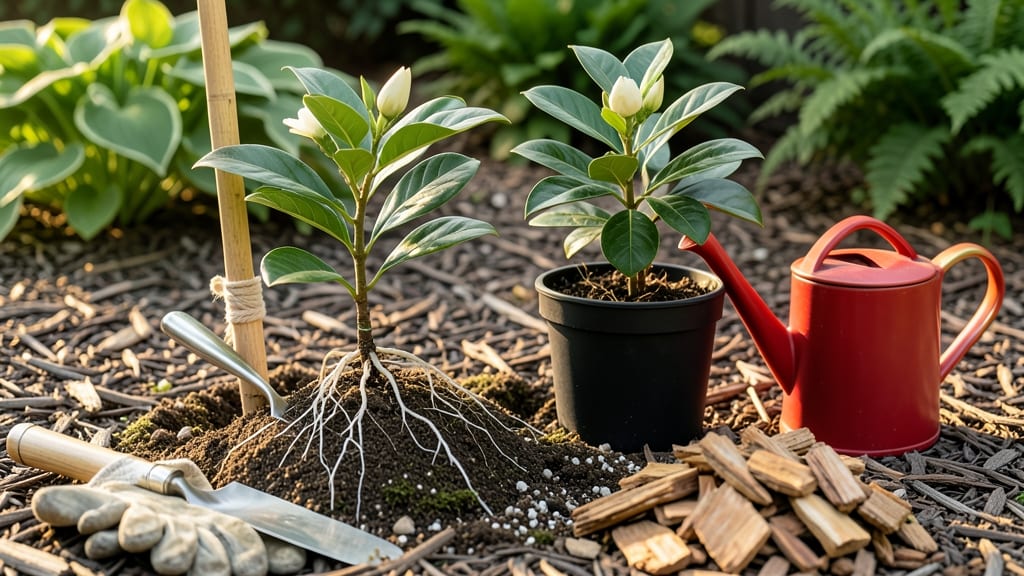
Planting a gardenia tree requires well-draining, acidic soil, full sun exposure for at least 6 hours daily, and spacing 6-10 feet apart to ensure proper airflow and blooming potential. Mulch lightly to retain moisture while avoiding root rot.
Gardenias thrive best in acidic, sandy soil with a pH between 5.0 and 6.5, mimicking their native tropical environments. 🌱 The right soil mix prevents waterlogging, which can drown roots, while proper sunlight triggers those iconic blooms.
I've found that planting in spring or early fall gives young trees time to establish roots before extreme weather hits, and spacing them properly reduces disease risks from humidity buildup.
What many beginners overlook is how seasonal sunlight affects growth—gardenias in cooler climates may need afternoon shade in summer, while those in warmer zones can handle full sun year-round. The mulching step is crucial too: it keeps roots cool while preventing soil-borne pathogens that love damp conditions.
💡 In This Article
- Optimal Soil and Sun Conditions for Gardenia Growth
- Step-by-Step Gardenia Tree Planting Guide
Optimal soil and sun conditions for gardenia growth
Gardenias evolved in tropical climates where the soil is naturally acidic and sandy, with a pH range of 5.0-6.5. This acidity isn't just a preference—it's essential for unlocking the nutrients these plants need.
The sandy texture prevents compaction, allowing oxygen to reach roots while promoting drainage that keeps them from sitting in waterlogged conditions. Without proper acidity, gardenias struggle to absorb iron and manganese, leading to yellowing leaves and poor blooming, even if other conditions seem ideal. 🌿
Sunlight triggers the chemical processes that produce those fragrant white blooms, but the relationship is more nuanced than simply "more sun = more flowers." Gardenias need 6-8 hours of direct sunlight daily to maximize photosynthesis, but in hot climates, afternoon shade prevents leaf scorch.
In cooler regions, gardenias can handle full sun year-round, while those in Zone 8+ may need protection from intense midday rays during summer months. The key is balancing light exposure with temperature control—think of it like giving your plant a tropical vacation from harsh afternoon heat.
Drainage is where many gardenia failures begin. Roots rot quickly in soggy soil because gardenias can't tolerate waterlogged conditions for more than a few hours. The ideal planting spot mimics their natural habitat: slightly elevated ground with loose, airy soil that sheds excess moisture.
Amending heavy clay soil with 30-40% perlite or coarse sand creates the perfect drainage scenario while maintaining moisture retention. This balance is why container-grown gardenias often thrive—their potting mix can be precisely formulated to meet these needs.
Seasonal adjustments matter too. In spring and fall, gardenias can handle more direct sunlight as temperatures moderate, while summer's heat often requires afternoon shade in many climates. I've noticed that gardenias in Florida often need protection from 12-4 PM sun, while those in California can handle full sun year-round.
The rule of thumb is to observe your plant's leaves: if they develop crispy edges or yellow patches, it's a sign the sunlight balance needs adjustment. 🌞
Soil acidity isn't static—it changes with organic matter decomposition and rainfall. Regularly testing your soil's pH (every 3-4 months) and amending with sulfur or peat moss when levels drift above 6.5 keeps your gardenia happy.
The scent of those blooms is your reward for maintaining this delicate balance between chemistry and environment. The right conditions turn a struggling plant into a fragrant, blooming powerhouse that can last decades with minimal care.
What most gardeners don't realize is how closely connected soil health and blooming are. A gardenia that gets everything right except proper acidity might produce a few blooms, but they'll be sparse and short-lived.
The acidity isn't just about nutrients—it's about creating the perfect biochemical environment for those signature flowers to develop fully. When you get this right, you're not just growing a plant; you're cultivating an experience through scent and beauty. 💐