
Planting
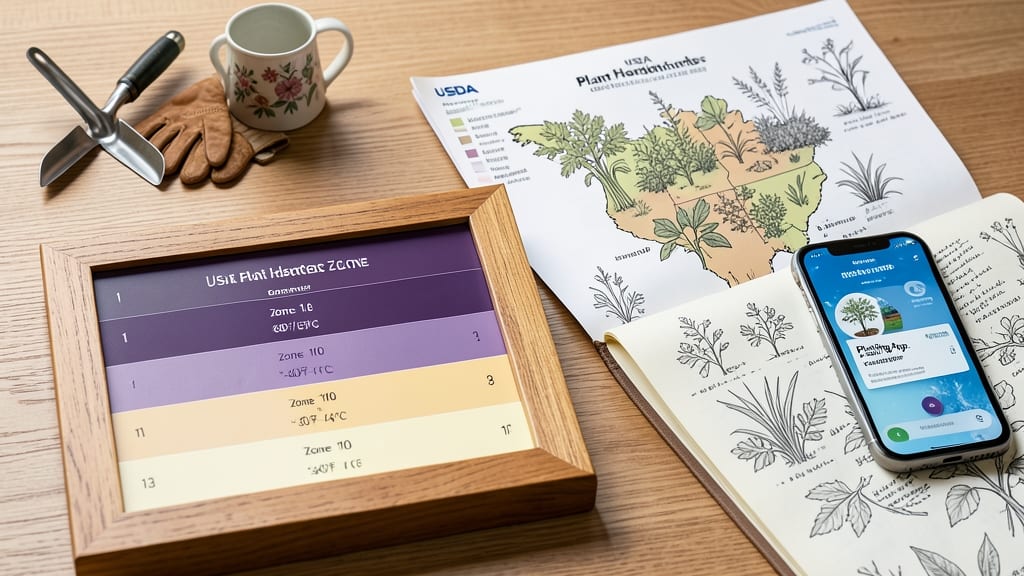
Plant gardening zones help you identify which plants will thrive in your local climate by analyzing average winter lows. The USDA system organizes these into 13 main zones (1-13) plus sub-zones (a/b), giving you precise guidance for selecting plants that can withstand your area's coldest temperatures.
Understanding your plant hardiness zone is like having a climate report for your garden. 🌱 The USDA system uses 10°F increments to categorize zones, with Zone 1 enduring -60°F winters while Zone 13 stays above 60°F. This temperature-based approach explains why a zone 5 perennial might survive in your yard but a zone 9 citrus tree would freeze.
Microclimates—like sunny south-facing walls or sheltered valleys—can shift your effective zone by one or two levels, so always check multiple sources for accuracy.
Once you know your zone, plant selection becomes straightforward. Cold-hardy varieties like coneflowers thrive in zones 3-8, while tropical plants such as bougainvillea need zones 9-11. Urban gardens often face heat islands that push zones higher than rural areas, so test plants in containers if you're unsure.
For example, a zone 6 tomato might still produce in zone 7 with proper care, but its yield could suffer during heatwaves.
💡 In This Article
- How USDA Plant Hardiness Zones Work
- Picking Plants for Your Zone: A Gardener’s Guide
How USDA plant hardiness zones work
The USDA system divides the country into 13 main zones based on the average annual minimum winter temperature, measured over a 30-year period.
Each zone spans a 10°F range, with Zone 1 enduring temperatures as low as -60°F while Zone 13 stays above 60°F. This precision helps gardeners understand which plants can survive their area’s harshest conditions.
For example, a zone 5 plant can tolerate down to -20°F, while a zone 9 plant needs protection above 20°F.
Beyond temperature, the system accounts for frost-free days and regional variations.
The USDA also includes sub-zones (a/b) to refine accuracy—for instance, Zone 7a ranges from -10°F to -5°F, while 7b spans 5°F to 10°F. These distinctions matter because a 5°F difference can mean the difference between a plant surviving or dying.
Microclimates—like urban heat islands or sheltered valleys—can shift your effective zone by one or two levels, so always verify with local data.
Science plays a key role in zone mapping. Researchers analyze 30 years of temperature records to determine long-term trends, ensuring the zones reflect climate realities. This data-driven approach helps predict plant survival rates with 90% accuracy when matched correctly.
For example, a zone 4 perennial like Russian sage thrives in colder climates, while a zone 10 citrus tree requires frost-free winters. The USDA system also differs from alternatives like the Sunset Western Climate Zones, which focus on precipitation and soil types.
Understanding these zones helps explain why some plants struggle in unexpected places. A zone 6 tomato might still produce in zone 7, but its growth could slow during heatwaves above 90°F.
Similarly, a zone 5 peony planted in zone 8 may bloom later or produce fewer flowers due to milder winters. The zones act as a baseline, but local conditions—like wind exposure or soil drainage—can further influence plant success. 🌿
For gardeners, this means checking multiple sources (USDA maps, local agricultural extensions) to confirm your zone. Urban areas often run 1-2 zones warmer than rural zones due to concrete and asphalt absorbing heat.
Container gardening can help extend growing seasons in colder zones, while shade cloth protects heat-sensitive plants in hotter zones. The key is balancing the USDA zones with your specific microclimate for the best results.
Alternative systems, like the Sunset Western Climate Zones, add another layer of precision. While the USDA focuses on temperature, Sunset zones consider rainfall, humidity, and soil types, which is critical for regions like California or the Pacific Northwest.
For example, a zone 7 Sunset region might have different planting recommendations than a zone 7 USDA area due to drier conditions. Using both systems ensures you account for all climate factors affecting plant health.
Ultimately, the USDA zones provide a reliable starting point for plant selection, but real-world success depends on adapting to local conditions. Whether you're a beginner or an experienced gardener, knowing your zone helps you make informed choices—and avoid costly mistakes. 🌱