
Tools
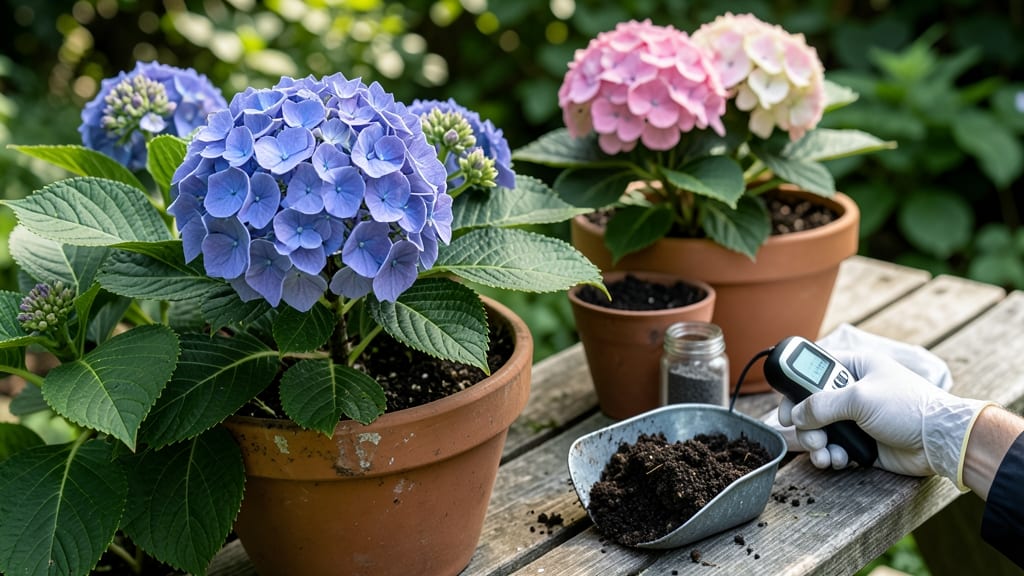
Soil pH in gardening determines plant health by measuring acidity or alkalinity, with most vegetables thriving between 6.0 and 7.0, while blueberries need 4.5–5.5 and azaleas prefer 5.0–6.0. Testing and adjusting pH ensures optimal nutrient uptake and growth.
Understanding soil pH is like knowing the secret code for what your plants can actually absorb from the soil. 🌱 The pH scale runs from 0 (super acidic) to 14 (super alkaline), and where your soil lands directly affects which nutrients become available.
For example, acidic soil (below 7.0) locks out phosphorus, while alkaline soil (above 7.0) makes iron nearly impossible for plants to access. That's why adjusting pH isn't just about preference—it's about unlocking the full potential of your garden.
I always recommend testing your soil every season, especially if you notice yellowing leaves or stunted growth, as these are classic signs of pH-related nutrient deficiencies.
Most gardeners focus on the big three—vegetables, berries, and flowering plants—but even herbs and lawn grasses have specific pH preferences. Lime is the go-to for raising pH, while sulfur or peat moss lowers it naturally.
The key is patience: changing pH takes time, so I suggest making adjustments gradually over a few months rather than trying to shock the soil into compliance. A simple DIY test kit can give you the baseline, but for precise results, a lab test is worth the investment.
💡 In This Article
- How Soil pH Affects Plant Nutrient Absorption
- Natural Ways to Adjust Soil pH for Different Plants
How soil pH affects plant nutrient absorption
Soil pH directly controls which nutrients plants can absorb by altering the chemical forms of essential elements. For instance, at pH 6.5—ideal for most vegetables—phosphorus becomes highly available, while iron remains soluble.
But if the pH drops below 5.5, phosphorus binds tightly to aluminum and iron compounds, making it inaccessible. 🌱 This explains why blueberries (which thrive at 4.5–5.5) often show phosphorus deficiency symptoms in alkaline soils.
The hydrogen ion concentration (measured by pH) determines whether nutrients exist in ionic forms plants can uptake or as insoluble precipitates.
Extreme pH levels also trigger nutrient imbalances. In alkaline soils (above 7.5), manganese and iron become nearly undetectable to plants, causing yellowing between leaf veins—a classic sign of iron chlorosis.
Conversely, acidic soils (below 5.0) can leach essential nutrients like calcium and magnesium, leading to weak stems and poor flowering. The soil's buffering capacity (its resistance to pH change) means adjustments take time—amending 1 inch of topsoil can shift pH by 0.5–1.0 units over months, not days.
Micronutrient availability follows predictable patterns. Zinc, for example, becomes more available in slightly acidic conditions (6.0–7.0), while boron solubility peaks at pH 7.5–8.5. This explains why some plants (like strawberries) prefer slightly acidic soil while others (like asparagus) tolerate neutral to alkaline conditions.
The pH also affects soil microbes: beneficial bacteria and fungi thrive in specific ranges, further influencing nutrient cycling. A pH of 6.0–7.0 generally supports the broadest microbial diversity, which is why most garden soils aim for this range.
Visual clues can reveal pH-related stress. Yellowing leaves on acid-loving plants (like azaleas) often signal aluminum toxicity, while brown leaf tips on alkaline-loving plants (like lavender) may indicate magnesium deficiency. Soil tests measure pH but don’t show nutrient availability—this requires separate soil analysis.
For example, a pH of 6.5 might seem perfect, but if your soil lacks organic matter, phosphorus may still bind to iron oxides, limiting uptake despite ideal pH.
Here’s how pH impacts three critical nutrients:
- Phosphorus: Most available at pH 6.0–7.0; locks up in acidic (5.5) or alkaline (7.5) soils
- Iron: Soluble in acidic soils (5.5–6.5); precipitates as oxides in alkaline soils (7.5+)
- Calcium: Stays available across 6.0–8.0 but leaches in highly acidic soils (5.0)
Understanding these interactions lets you diagnose issues before they stunt growth. For example, if your tomatoes show yellowing between veins, test for iron availability—not just pH. A pH of 6.5 might seem correct, but if iron is bound, the plant can’t access it regardless of the pH reading. 💡