
Tools
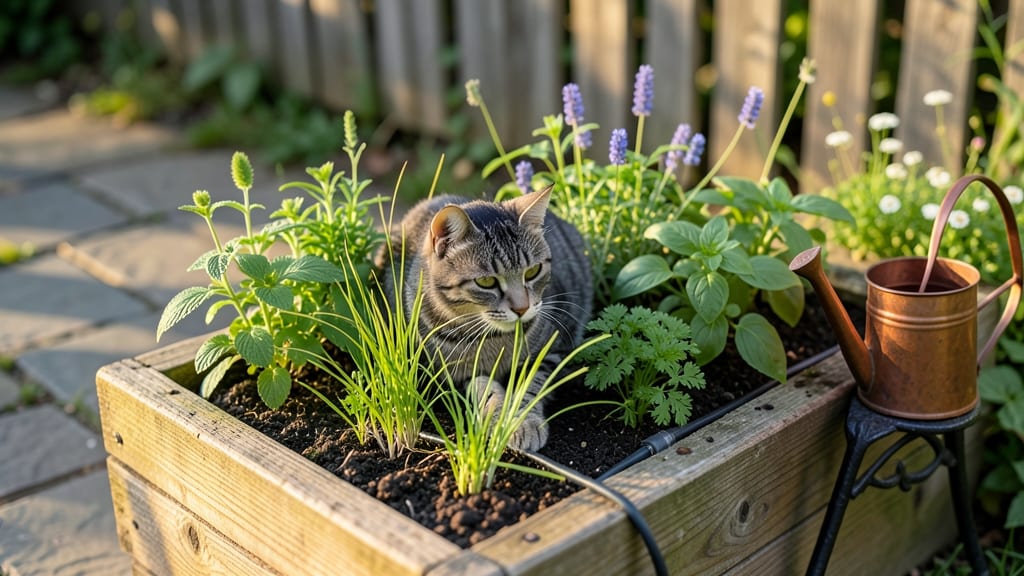
Creating a pet-safe garden means eliminating dangerous plants like lilies and sago palms, securing compost areas, and avoiding harsh chemicals. Always monitor pets near water features and use fencing to block wildlife threats.
Your garden can be a paradise for both you and your pets—but only if you plan carefully. 🌿 Common hazards include toxic flora (like azaleas or mushrooms) that cause vomiting or worse, and hidden dangers like compost piles that attract pests.
I recommend replacing risky plants with pet-friendly alternatives such as sunflowers or marigolds, which are non-toxic and add vibrant color. Even natural fertilizers need secure storage, as some can harm curious pets if ingested.
For extra safety, designate a fenced-off area where pets can roam freely without exposure to risks. This zone should include soft, non-toxic mulch and shaded spots to keep them cool. 🐾 Regular inspections for wildlife threats (like snakes or raccoons) will also prevent unwanted encounters.
The key is balancing beauty with safety—your garden should be a shared space, not a danger zone.
💡 In This Article
- Toxic Garden Plants and Pets: Identification and Risks
- Pet-Proofing Your Garden: Practical Safety Tips
Toxic garden plants and pets: identification and risks
Toxic plants pose serious risks to pets because many contain compounds that disrupt their nervous systems, organs, or digestive tracts.
For example, lilies—common in gardens—produce calcium oxalate crystals that cause severe kidney failure in cats within 24-72 hours of ingestion, even in small amounts (as little as 0.5 grams of leaf material).
The sap from oleander plants contains cardiac glycosides, which can cause irregular heartbeats and death in dogs within 2-6 hours if consumed. 🌿
Mushrooms are another hidden danger because some wild varieties contain amatoxins, which attack the liver and kidneys. A single ingestion can lead to symptoms like drooling, vomiting, and seizures within 6-24 hours.
Even common garden mushrooms like death cap (Amanita phalloides) are deadly—studies show they have a fatality rate of 30-50% in affected pets.
The key is recognizing high-risk plants by their appearance: lilies have long, pointed petals; oleander has glossy, dark green leaves; and toxic mushrooms often have white gills and a ring on the stem.
Symptoms of poisoning vary by plant but typically include vomiting, diarrhea, lethargy, and drooling. Azaleas, for instance, contain grayanotoxins that cause weakness and coma within 12-48 hours, while foxgloves (with their distinctive bell-shaped flowers) contain digitalis, which disrupts heart rhythms.
The good news is that many pet-friendly alternatives exist, like sunflowers (non-toxic and bright) or marigolds (which repel pests naturally). 🌼
Toxicity levels depend on the plant part consumed—roots are often more dangerous than leaves. For example, sago palm seeds contain cycasin, which can be fatal to dogs even in 1-2 seeds, while the leaves are less toxic.
Always research plants before adding them to your yard, and consider creating a "pet zone" with only certified non-toxic species. The ASPCA maintains a searchable database of toxic plants to help you identify risks quickly.
If you suspect your pet has ingested something harmful, act fast: induce vomiting (with vet approval) and seek emergency care immediately. Many pet insurances cover toxic exposure treatments, which can cost $500-$2,000 per incident.
Prevention is key—regularly inspect your garden for fallen leaves, seeds, or mushrooms that could tempt curious pets. 🐶
For visual identification, focus on leaf shape, flower structure, and growth patterns. Lilies grow from bulbs, oleander has clusters of pink or white flowers, and toxic mushrooms often appear after rain.
By eliminating these risks, you can transform your garden into a safe haven where pets can explore without danger. 🌿