
Tools
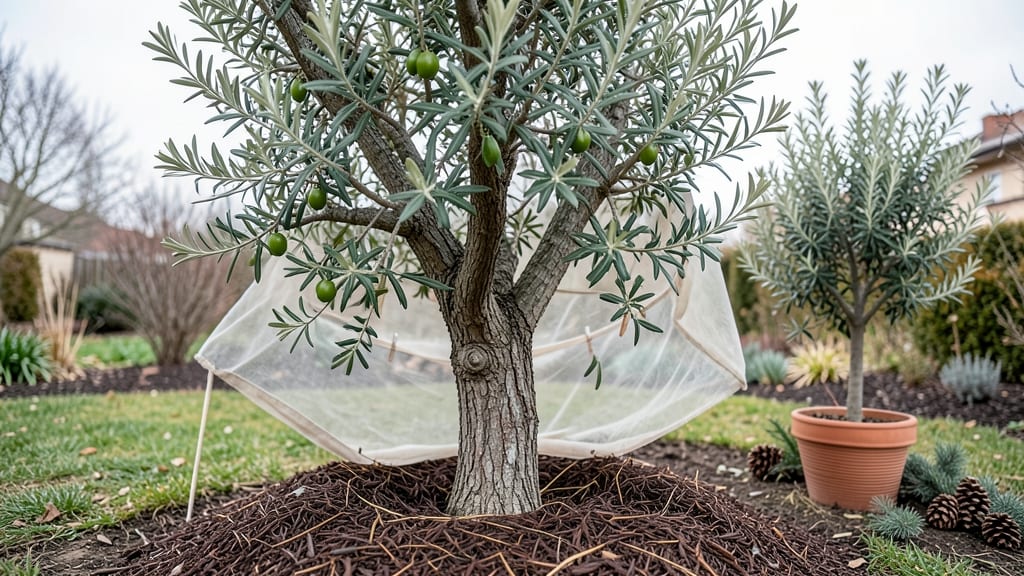
To create an olive garden winter garden, layer Mediterranean herbs like rosemary and thyme with slow-growing vegetables such as kale and carrots, then use protective mulching to shield roots from frost while maintaining sunlight exposure. Begin with evergreen ground covers to help preserve soil warmth.
Winter gardening transforms your outdoor space into a productive, fragrant retreat even when temperatures drop. 🌿 The key lies in selecting plants that not only survive cold snaps but also thrive in shorter daylight hours—think hardy Mediterranean herbs paired with leafy greens that tolerate frost.
I've found that combining rosemary's piney aroma with the deep green of kale creates a visually striking contrast while maximizing harvest potential. The layering technique works by mimicking natural forest ecosystems, where each plant type serves a purpose—whether it's insulating roots or capturing sunlight through varying heights.
Proper mulching is where the magic happens. A thick layer of straw or wood chips acts like a blanket, protecting roots from temperature swings while slowly releasing moisture back into the soil.
For areas with harsh winters, consider adding a cold frame or row cover over your most delicate plants—these simple structures can extend your growing season by weeks.
I always test soil moisture before winter sets in, as frozen ground prevents water absorption, and dry conditions can stress even the hardiest plants.
💡 In This Article
- Choosing Cold-Hardy Olive Garden Plants for Winter
- Step-by-Step Winter Olive Garden Layering Guide
Choosing cold-hardy olive garden plants for winter
Mediterranean herbs like rosemary and thyme dominate winter olive gardens because their needle-like leaves act as natural insulators, reducing heat loss from the soil.
Rosemary, for example, thrives in USDA zones 7-10 and maintains its fragrant aroma even under 20°F temperatures, while thyme's low-growing habit creates a protective carpet that suppresses weeds and retains moisture.
These plants also benefit from a phenomenon called "evergreen persistence"—their woody stems continue photosynthesis even when other plants go dormant, providing subtle greenery during winter's barren months.
The color contrast between silver-blue sage leaves and deep purple kale stems creates a striking visual effect that brightens winter landscapes. Kale, specifically varieties like 'Winterbor' or 'Red Russian,' can withstand 15°F temperatures and actually sweeten in response to frost, making it one of the most productive winter crops.
Root vegetables like carrots and beets perform exceptionally well because their edible portions remain below the frost line while the foliage above ground provides shade for tender herbs. The key is selecting varieties with shorter maturity times—like 50-day carrots—so they establish before the first hard freeze.
Plant height plays a crucial role in winter layering. Taller plants like rosemary (which can reach 3-5 feet) should form the garden's backbone, while low-growing thyme (6-12 inches) and oregano (12-18 inches) create protective microclimates at ground level.
This vertical arrangement mimics natural forest layers, where each stratum serves a specific ecological function. The evergreen ground covers—like creeping thyme or winter savory—provide the critical bottom layer that prevents soil erosion and maintains consistent temperatures just above freezing.
One often-overlooked factor is plant texture. The rough, sandpaper-like leaves of rosemary contrast beautifully with the smooth, waxy surfaces of winter squash varieties, creating visual interest even when flowers are absent.
This textural diversity extends to the harvest experience—snapping crisp kale stalks or pulling tender carrots becomes a sensory pleasure during cold months. The aromatic compounds in these plants also deter pests naturally, reducing the need for chemical interventions that could harm beneficial winter insects.
For gardeners in transitional zones (USDA zones 5-6), cold-hardy olive tree varieties like 'Arbequina' (which can tolerate 10°F with proper protection) offer a unique opportunity to combine Mediterranean flavors with winter resilience.
These dwarf varieties grow slowly but can produce olives in 5-7 years when planted in containers that can be moved to sheltered locations during extreme cold snaps. The combination of evergreen foliage and potential future harvests makes them an excellent long-term investment for winter gardens.
What most people don't realize is how plant placement affects winter aesthetics. Grouping plants with similar water needs together creates cohesive visual blocks, while varying leaf shapes—needle-like, broad, or lobed—adds architectural interest.
The scent profile changes dramatically in winter: rosemary's piney aroma becomes more pronounced in cold air, while thyme's lemony notes create a refreshing contrast. This sensory layering transforms your garden into a multi-dimensional experience that engages all the senses during the dormant season. 🌟