
Planting
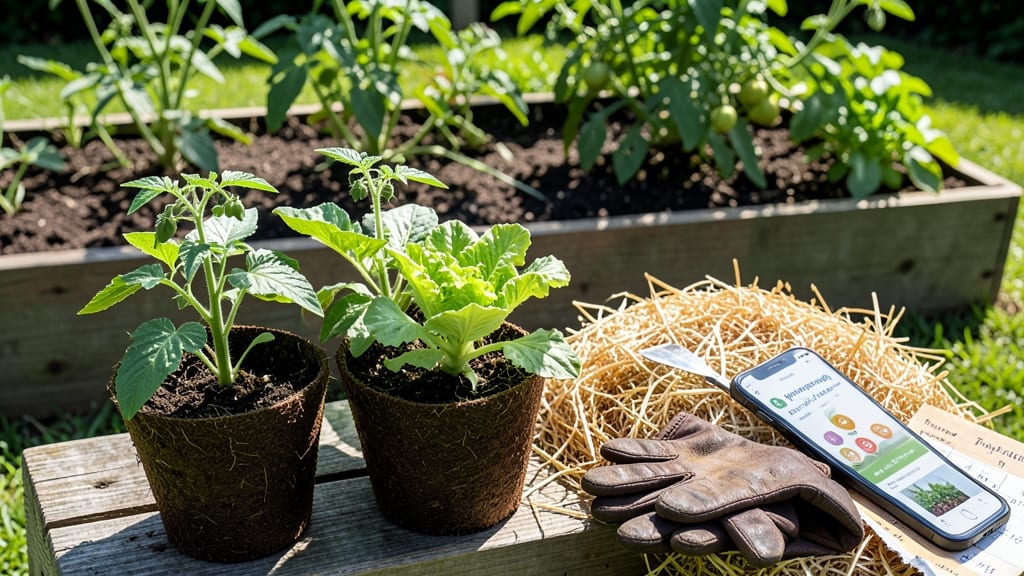
Planting a garden in New Brunswick means timing your seeds to the 165 frost-free days between April 15 and October 15 — or you’ll watch your hard work vanish overnight.
That’s the reality for gardeners in Zone 5b, where a late frost can turn weeks of effort into a sad pile of mulch.
But here’s the good news: with the right schedule, you can stretch your growing season and still enjoy fresh 🌱 General Garden Vegetables (Spring/Fall Crops) from June through October.
This guide breaks down the exact windows for spring and fall planting, plus how to adapt for New Brunswick’s shorter summers. Whether you’re sowing cool-season greens in March or warm-season tomatoes in May, we’ve got the frost dates and microclimate tips to keep your garden thriving.
Discover the best months for each crop, how to extend your season with cold frames, and the three biggest mistakes that waste seeds every year. Let’s get your garden growing on time!
New Brunswick Zone 6B frost dates & ideal planting windows by season
New Brunswick’s Zone 6B climate means you only have about 165 frost-free days each year—so timing your garden planting is critical. The last frost date typically falls between April 15–May 1, while the first frost usually arrives October 15–20.
Missing these windows can leave your tender plants vulnerable to frost damage or stunted growth.
Understanding these seasonal transitions helps you align your planting with the soil’s readiness and weather patterns.
For example, cool-season crops like spinach and peas thrive when planted 4–6 weeks before the last frost, while warm-season crops like tomatoes and peppers need to wait until after the soil reaches 50°F (10°C) and all frost risk has passed.
Here’s a quick breakdown of the ideal planting windows for New Brunswick’s Zone 6B, tailored to your garden’s needs:
| Season | Planting Window | Cool-Season Crops | Warm-Season Crops | Notes |
|---|---|---|---|---|
| Spring | April 15–May 15 | Spinach, peas, lettuce, kale | Tomatoes, peppers, cucumbers (after frost) | Start cool crops early; warm crops need soil >50°F |
| Summer | May 15–July 15 | Succession plant lettuce, radishes | Beans, squash, corn, basil | Use row covers for early starts; mulch to retain moisture |
| Fall | August 1–September 15 | Broccoli, carrots, Brussels sprouts | None (too late for warm crops) | Prioritize fast-maturing varieties for harvest before frost |
| Year-Round | Indoors/Containers | Herbs, microgreens, dwarf varieties | Peppers, eggplants (with grow lights) | Extend season with cold frames or greenhouses |
For spring planting, start with hardy cool-season crops like spinach and peas in early April, even if frost is still possible. These plants can handle light frosts and often produce faster in cooler weather.
Once the last frost date passes (usually by early May), shift to warm-season crops like tomatoes and peppers, which need consistent warmth to thrive.
In summer, focus on succession planting for quick harvests. Crops like radishes and lettuce can be sown every 2–3 weeks to ensure a continuous supply. Meanwhile, heat-loving plants such as beans and squash will flourish with the long daylight hours of June and July.
Just remember to mulch heavily to retain moisture and protect roots from drying out.
Don’t overlook fall planting, which can be just as productive as spring. Broccoli, carrots, and Brussels sprouts planted in August or early September often mature before the first frost, giving you a second harvest.
Choose fast-maturing varieties (look for labels like “50–60 days to harvest”) to maximize your chances of success.
If you’re growing in containers or using cold frames, you can extend your season even further. Herbs like basil and parsley thrive in pots and can be moved indoors before frost.
Similarly, peppers and eggplants can be started indoors in early spring and transplanted outside after the last frost, giving them a head start in the shorter growing season.
One common mistake I see in New Brunswick gardens is planting warm-season crops too early. Even if the air feels warm, soil temperature is what truly matters—use a soil thermometer to confirm it’s above 50°F (10°C) before planting.
Another tip: watch local weather forecasts for late frosts, especially in inland areas where temperatures can drop faster than coastal regions.
By aligning your planting with these Zone 6B frost dates and crop-specific windows, you’ll avoid the frustration of lost plants and enjoy a longer, more productive growing season in New Brunswick. Start planning now—your garden’s success depends on it! 🌱
Best crops to plant in New Brunswick by month (with local adaptations)
New Brunswick’s Zone 6B climate demands strategic planting to maximize your harvest before the first frost. With only 165 frost-free days, timing is everything. I’ve broken down the best crops to plant each month, accounting for our shorter growing season and cooler summers.
Start with cool-season crops in early spring, transition to warm-season favorites in May, and end with fall-hardy vegetables for a second harvest.
March is all about preparation—indoor starts for tomatoes, peppers, and herbs give them a head start. April brings hardy greens like spinach and kale, while May signals the time for tomatoes, beans, and squash.
Don’t forget succession planting in June and July to keep your garden productive, and prep for fall crops in August and September.
- March: Start tomatoes, peppers, and herbs indoors (4-6 weeks before last frost). Direct sow spinach, peas, and lettuce outdoors under row covers if soil is workable.
- April: Plant cool-season crops like kale, broccoli, and radishes after last frost (April 15). Add onions and garlic for early summer harvests.
- May: Transition to warm-season crops: tomatoes, cucumbers, beans, and squash. Use black plastic mulch to warm soil faster.
- June: Succession plant lettuce, carrots, and beets every 2 weeks. Start late-season tomatoes indoors for August planting.
- July: Focus on fast growers like bush beans, radishes, and zucchini. Harvest early crops to make room for fall plants.
- August: Prep for fall by planting cabbage, Brussels sprouts, and turnips. Direct sow spinach and peas for late harvests.
- September: Last chance for cool-season crops: garlic, onions, and hardy greens. Extend the season with row covers or cold frames.
For cooler microclimates (like inland areas), delay planting warm-season crops by 1-2 weeks and prioritize fast-maturing varieties. Coastal regions can push the season slightly later, but always monitor soil temperatures—aim for 50°F (10°C) for cool crops and 60°F (15°C) for warm-season plants.
Pro tip: Use straw mulch in late summer to insulate soil and protect fall crops from early frosts. In containers, choose compact varieties like bush beans or dwarf tomatoes to maximize space and heat retention.
With these adjustments, you’ll stretch New Brunswick’s growing season to its fullest—no wasted seeds or missed harvests! 🌱