
Planting
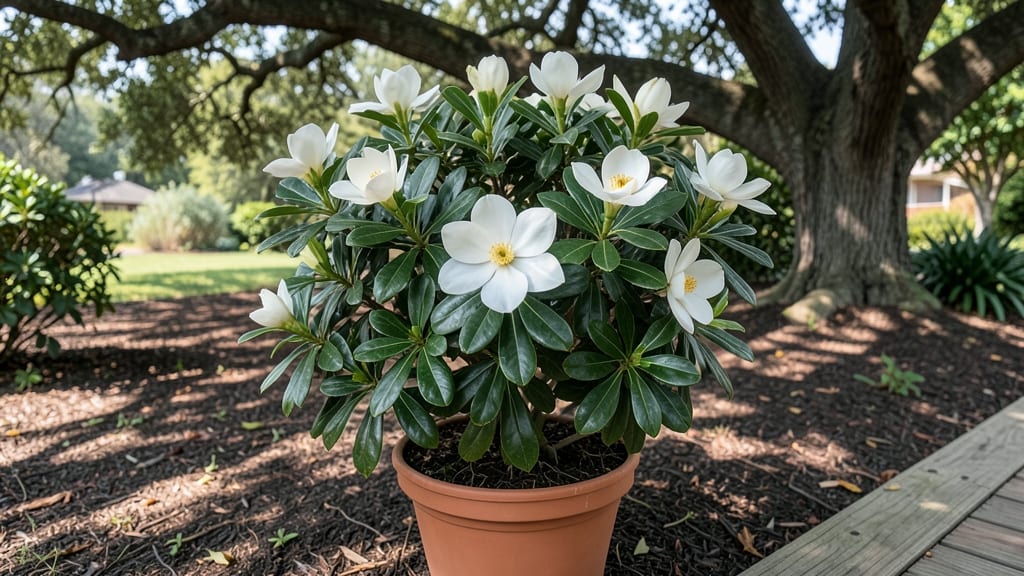
A gardenia plant size can turn a small patio into a fragrant paradise or overwhelm a cozy garden corner—depending on the variety you choose.
If you’re dreaming of fragrant white blooms but wondering whether a gardenia will fit your space, size matters—especially since varieties range from compact shrubs to towering specimens.
Understanding gardenia plant size by type and growth habits can help you choose the perfect variety for your garden, patio, or even indoor collection.
Most gardenias mature between 3 and 6 feet, but dwarf varieties stay under 3 feet, making them ideal for containers or small yards. Meanwhile, standard types can reach 6 feet or taller, so placement and pruning become key to keeping them manageable without sacrificing those intoxicating blooms.
In this guide, you’ll learn how to pick the right size for your space, control growth with simple pruning tips, and even adjust care to fit your garden’s layout—whether you’re working with a tiny balcony or a sprawling backyard.

How tall do gardenia plants grow? Size guide by popular varieties
Choosing a gardenia isn’t just about their intoxicating fragrance—it’s also about their mature size. Some varieties stay compact enough for patio containers, while others reach small tree proportions.
The Gardenia jasminoides, the most common type, typically grows between 3 to 6 feet tall, but dwarf varieties can stay as short as 2 feet. Understanding these differences helps you plan your garden layout or container choices effectively.
For gardeners with limited space, dwarf gardenias are a game-changer. These varieties, like 'Kleim’s Hardy', max out at 3 feet tall while still producing abundant blooms.
Meanwhile, standard varieties like 'Radicans' can stretch up to 6 feet tall and spread 4 to 5 feet wide, making them ideal for hedges or privacy screens. Let’s explore the most popular types and their size expectations.
The Gardenia jasminoides is the most versatile variety, with standard types reaching 4 to 6 feet and spreading 3 to 5 feet wide. This makes them perfect for landscape borders or as privacy hedges.
Their growth rate of 12 to 18 inches per year means they’ll fill out your space in 3 to 5 years if given proper care. For those with smaller spaces, the 'Kleim’s Hardy' variety is a fantastic choice, staying under 3 feet tall
Factors that influence gardenia plant size and growth rate
Your gardenia’s final size isn’t just luck—it’s a mix of genetics, sunlight exposure, and care habits. While some varieties naturally stay compact, others can double in height if given ideal conditions.
For example, a Gardenia jasminoides might reach 6 feet with full sun but stay under 4 feet in partial shade. Understanding these factors lets you shape your plant’s growth to fit your space.
The soil type plays a surprisingly big role in gardenia growth. Heavy clay soil slows root development, while well-draining, acidic soil (pH 5.0–6.5) fuels faster growth. Amend your soil with peat moss or compost to create the perfect environment—this can add 1–2 feet to mature height over 3 years.
I’ve seen gardenias in poor soil struggle to grow past 2 feet, even with regular pruning.
Here’s how key factors balance out—weigh the pros and cons to optimize your gardenia’s size:
Faster growth, bigger blooms, stronger stems
Can scorch leaves, stunt growth in zones 8+
Encourages root expansion, supports nutrient uptake
Root rot slows growth, weakens plant structure
Controls height, encourages bushier growth
Reduces blooms, stresses plant in long term
Optimal climate for year-round growth
Stunted growth, may die back without protection
Pruning techniques are your secret weapon for size control. Prune in late winter or early spring to shape growth—cutting back 1/3 of new growth can keep a standard gardenia under 4 feet. Avoid heavy pruning in fall, as this delays next year’s blooms. I prune mine with sterilized shears after the last frost to encourage fresh, compact growth while preserving flower buds.
Your climate zone directly impacts growth rate. Gardenias thrive in USDA Zones 7–10, where they grow 1–2 feet per year. In cooler zones (6–), expect slower growth—often just 6–12 inches annually.
If you’re in Zone 6, grow gardenias in containers and bring them indoors during winter to protect roots and maintain size. I’ve kept potted gardenias in Zone 5 by overwintering them near a south-facing window with grow lights.
To maximize growth, combine morning sun, acidic soil, and light pruning. For compact growth, reduce sunlight to 4 hours/day, prune aggressively in spring, and use slow-release fertilizer to avoid overgrowth.
With the right balance, you can coax your gardenia to fit any space—whether it’s a patio pot or a backyard border. 🌿