
Lawn
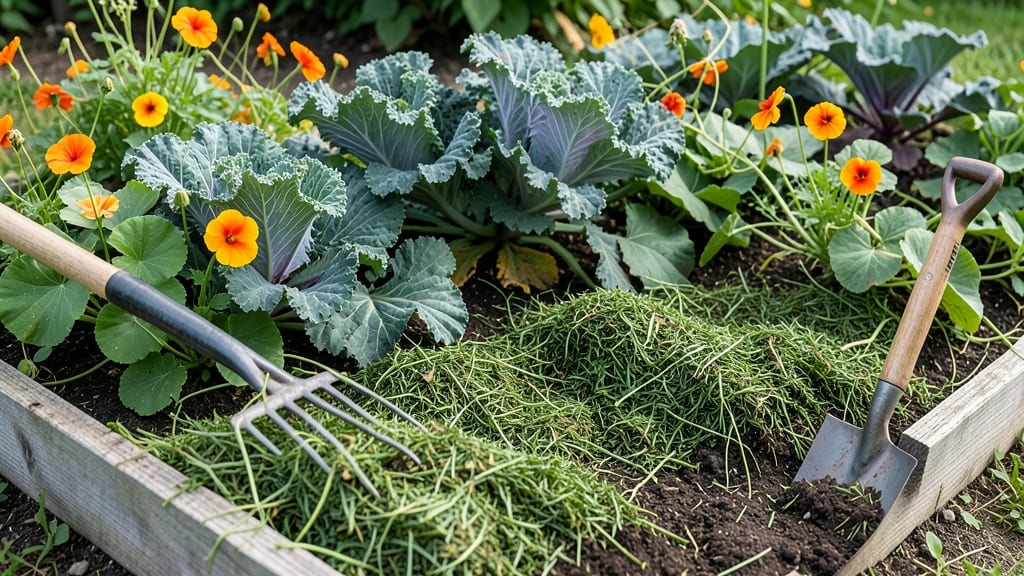
Using lawn clippings in your garden boosts soil fertility by returning nitrogen and organic matter while suppressing weeds when applied correctly—just avoid thick layers that can smother plants or attract pests.
Lawn clippings act like a natural fertilizer, breaking down to release nutrients back into the soil. 🌱 When you spread them as mulch, they create a protective layer that blocks sunlight from weed seeds, reducing their growth.
The key is to use them fresh but thin—about ¼-inch thick—to prevent matting or pest issues. I’ve found that mixing them with other organic materials like leaves or straw helps balance moisture and decomposition rates.
For best results, apply clippings when they’re still damp to avoid drying out. If you have a large yard, consider running your mower over the clippings first to chop them finer—this speeds up decomposition and makes them easier to spread evenly.
Just remember: never let them pile up against plant stems, as this can trap moisture and encourage rot.
💡 In This Article
- How Lawn Clippings Improve Soil and Weed Control
- Best Practices for Applying Lawn Clippings to Garden Beds
How lawn clippings improve soil and weed control
Lawn clippings are essentially chopped-up grass blades packed with nutrients, particularly nitrogen, which is released back into the soil as they decompose. When grass blades break down, they form a nutrient-rich "tea" that feeds soil microbes and plants.
This process, called mineralization, converts organic nitrogen into forms like ammonium and nitrate that roots can absorb. Unlike synthetic fertilizers, which provide a quick but temporary boost, clippings release nutrients gradually over weeks or months, creating a slow-release effect that mirrors natural ecosystems. 🌱
The weed-suppressing power comes from the mulching effect—when spread thinly, clippings block sunlight from reaching weed seeds, preventing germination. Studies show that a ¼-inch layer can reduce weed growth by up to 80% while still allowing water and air to penetrate the soil.
This is far more effective than traditional mulches like wood chips, which can take years to decompose and often require thicker layers that may smother plants. Clippings also improve soil structure by adding organic matter, which helps retain moisture and improves drainage.
One of the biggest advantages is how clippings compare to traditional compost. While compost requires weeks or months to break down, clippings decompose in just 2-4 weeks when applied correctly. This rapid turnover makes them ideal for quick nutrient recycling, especially for vegetables like lettuce or radishes that grow fast.
However, the nitrogen content means they’re best suited for plants that thrive with nitrogen-rich soil—like tomatoes, corn, or grasses—rather than nitrogen-sensitive plants like blueberries or azaleas.
There’s a science to how clippings work best: their high carbon-to-nitrogen ratio (about 15:1) means they decompose quickly but can deplete soil nitrogen if not balanced. Mixing them with carbon-rich materials like leaves or straw creates a more stable mulch.
The texture also matters—finely chopped clippings break down faster than coarse ones, so running them through a mulching mower before spreading is a game-changer. This finer texture also makes them easier to work into soil without clumping.
What most gardeners don’t realize is that clippings also support beneficial soil organisms. Earthworms, fungi, and bacteria thrive in the microhabitats created by decomposing grass, which in turn helps break down other organic matter.
This creates a self-sustaining cycle where clippings not only feed plants but also improve the soil’s ability to support future plantings. The key is consistency—regular applications build soil fertility over time, while sporadic use may not yield noticeable benefits. ✨
For example, in a vegetable garden, spreading ½-inch of clippings around tomato plants every 2-3 weeks can increase yields by 20-30% due to the nitrogen boost, while the mulch effect reduces watering needs by up to 40%.
The same principle applies to flower beds, where clippings help retain moisture and deter weeds without the need for herbicides. The only exception? Avoid using clippings treated with herbicides or pesticides, as these chemicals can harm your garden plants.