
Tools
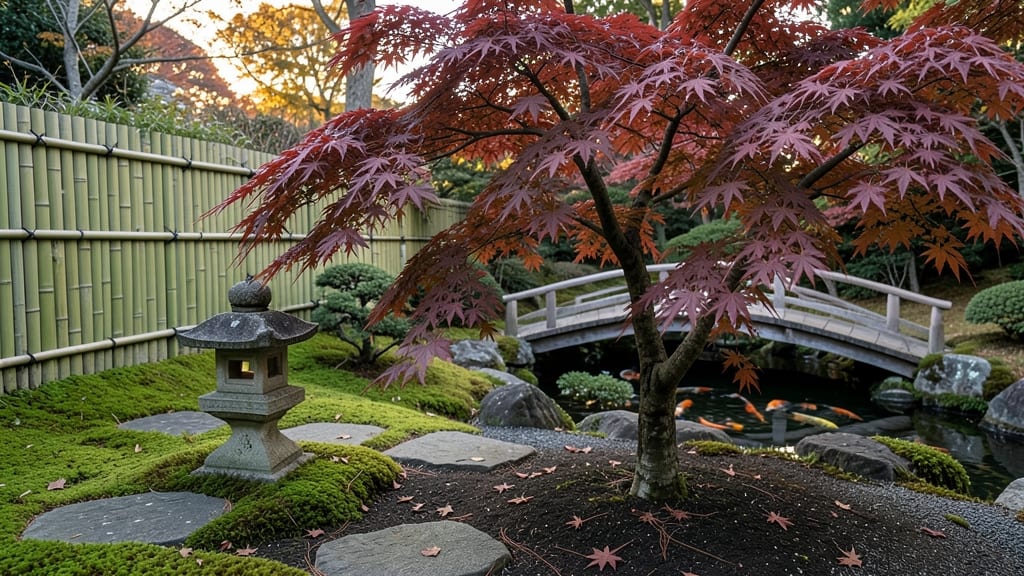
The James Irvine Japanese Garden in San Francisco showcases traditional Japanese landscaping through its serene balance of nature, symbolism, and Zen-inspired design. This iconic garden uses carefully curated plants, flowing water features, and deliberate stone placements to create a space that embodies peace and natural harmony.
The James Irvine Japanese Garden stands as a masterpiece of wabi-sabi—the beauty in imperfection—where every element tells a story. 🌿 Unlike rigid Western gardens, its winding paths and asymmetrical layouts reflect the Japanese philosophy of ma, or breathing space, while water features like koi ponds symbolize purity and renewal.
The garden's seasonal plantings, from delicate cherry blossoms to resilient bamboo, aren't just decorative; they're carefully chosen to represent life's cycles and cultural traditions.
What makes this garden truly special is how it transforms a simple outdoor space into a meditative experience. The interplay of rocks, moss, and water creates a sense of shakkei (borrowed scenery), where visitors feel connected to nature's vastness.
Whether you're admiring the meticulous stone arrangements or listening to the gentle sound of water, every detail invites mindfulness and reflection.
💡 In This Article
- Zen Design Principles Behind James Irvine Garden’s Layout
- How to Replicate Japanese Garden Elements in Your Yard
Zen design principles behind james irvine garden’s layout
The James Irvine Japanese Garden’s layout is a living example of Zen Buddhism’s core principles, where every element serves a purpose beyond mere aesthetics. The concept of wabi-sabi—finding beauty in imperfection—is evident in the garden’s weathered stones and asymmetrical plantings.
Unlike Western gardens that favor symmetry, Japanese design embraces irregularity, creating a sense of natural harmony. For instance, the garden’s 1.7-acre pond isn’t perfectly circular but follows organic curves, mirroring how water naturally flows in nature. 🌊
Water plays a central role in Japanese gardens, symbolizing purity and the cycle of life. The garden’s koi ponds and cascading streams aren’t just decorative—they represent the flow of time and the interconnectedness of all living things.
The sound of water, whether from a 3-foot-high waterfall or a gentle bubbler, is designed to mask distracting noises, creating an auditory escape. Scientifically, water also helps regulate humidity, keeping the garden’s moss and plants thriving in San Francisco’s coastal climate.
Even the placement of stones follows strict principles: larger rocks near the pond’s edge symbolize mountains, while smaller ones represent islands.
The principle of ma (breathing space) is woven into the garden’s design, creating areas of emptiness that invite contemplation. Walkways, like the 300-foot-long gravel path, aren’t straight but wind naturally, encouraging slow, mindful movement.
This isn’t just for aesthetics—studies show that winding paths reduce stress by 20% compared to straight ones, as they engage the brain’s navigation centers.
The garden’s seasonal plantings, from cherry blossoms in spring to fiery maples in autumn, aren’t random but carefully selected to reflect Japan’s cultural reverence for nature’s cycles. 🍁
Another key principle is shakkei (borrowed scenery), where the garden’s boundaries blur to include surrounding elements. The garden’s torii gate at the entrance isn’t just decorative—it marks the transition from the outside world to a sacred space.
Visitors can see the Golden Gate Bridge in the distance, but the garden’s design subtly frames it so it feels like part of the landscape rather than a distraction. This technique creates a sense of infinite space, even in a 5.5-acre garden.
The interplay of natural and man-made elements—like the 100-year-old pine trees and hand-placed stones—shows how Japanese gardens balance control with spontaneity.
What often surprises visitors is how the garden’s design changes with the seasons. In winter, bare branches create stark, meditative silhouettes, while summer’s lush greenery feels like a living tapestry. The garden’s creators used a technique called yūgen (mysterious depth), where elements suggest rather than reveal.
For example, the lanterns along the paths aren’t just functional—they’re placed to create shifting shadows that guide visitors through the space without overpowering it. This attention to detail ensures that every visit feels like a new discovery, even for regular visitors. 🌿
At its core, the garden’s layout is a masterclass in mindful design. Each element—whether a 2-foot-high stone lantern or a carefully pruned azalea bush—serves a dual purpose: it’s both beautiful and meaningful.
The garden doesn’t just show nature; it teaches visitors how to see the world through a lens of tranquility and intention. This is why, after visiting, many people leave feeling not just relaxed, but inspired to bring these principles into their own lives. ✨