
Tools
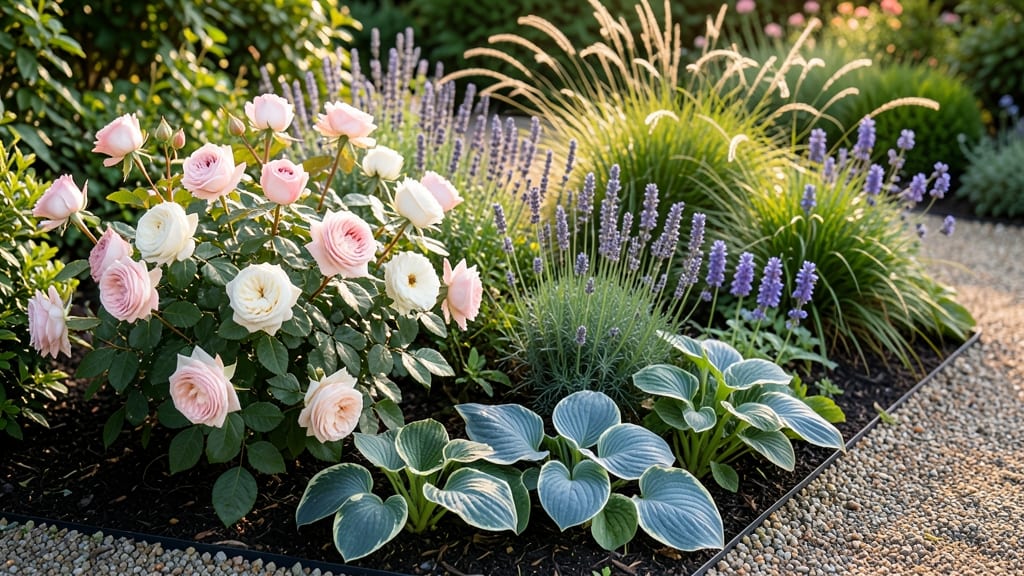
To grow and maintain James Irvine Garden, a hardy herb perennial, start with well-draining soil and partial shade, then keep the soil consistently moist. Annual pruning after flowering promotes bushier growth and extends the blooming season.
James Irvine Garden thrives in conditions that mimic its natural Mediterranean habitat, where it evolved to handle dry spells and rocky terrain. 🌿 The key is balancing moisture—too much water can drown its roots, while drought stress triggers its signature drought-tolerant resilience.
I’ve found that mulching with organic matter helps retain just enough moisture without suffocating the plant, while also protecting it from temperature swings.
What sets this perennial apart is its ability to adapt—it handles partial shade beautifully but still produces vibrant blooms, making it perfect for understory plantings or container gardens. The annual pruning isn’t just about aesthetics; it stimulates new growth and prevents leggy stems, which can weaken the plant over time.
Think of it like giving your garden a fresh haircut—it keeps everything looking sharp and healthy.
💡 In This Article
- Ideal Growing Conditions for James Irvine Garden
- Pruning and Seasonal Care Guide for James Irvine Garden
Ideal growing conditions for James Irvine Garden
James Irvine Garden thrives in soil with a pH range of 6.0 to 7.5, mimicking its native Mediterranean conditions where limestone-rich soils dominate.
The plant's roots develop a symbiotic relationship with mycorrhizal fungi, which helps it absorb nutrients more efficiently in these slightly alkaline environments. 🌿 If your soil tests lower than 6.0, amending with crushed limestone or wood ash can raise the pH gradually over 3-4 months without shocking the plant.
The herb's partial shade preference isn't about avoiding sunlight—it's about managing intensity. In full sun (6+ hours daily), its leaves can scorch during peak summer afternoons, especially in hotter climates (USDA zones 7-9).
Instead, aim for morning sun with afternoon shade, which provides the light it needs for photosynthesis while preventing leaf burn. Container growers should place their pots where they receive 4-6 hours of filtered light to replicate this balance.
Moisture management is where this plant shows its true resilience. James Irvine Garden has a deep taproot system that allows it to access water from 12-18 inches below soil level, making it drought-tolerant once established.
However, young plants (1 year old) need 1 inch of water per week during their first growing season. The secret lies in the soil's texture—it must drain rapidly to prevent root rot, which is why sandy loam or amended clay soils work best.
A simple test: Press your finger 1 inch deep—if the soil feels dry, it's time to water.
Climate suitability extends beyond temperature ranges. This perennial handles heat waves up to 95°F but struggles with prolonged humidity above 70%, which can promote fungal diseases like powdery mildew. In coastal regions, salt spray can damage foliage, so positioning plants 10+ feet from shorelines is wise.
The plant's natural defense mechanism involves producing a waxy leaf coating that repels water, which is why overhead watering should be avoided—it creates conditions for fungal growth.
One often-overlooked factor is wind exposure. While the plant can tolerate moderate breezes, consistent winds above 10 mph can dry out its delicate blooms and stress the stems.
Installing a windbreak made of lattice or shrubs on the prevailing wind side can create a microclimate that preserves moisture and protects the plant's structure. This simple adjustment can double your blooming season in exposed garden areas.
For container gardening, choose pots with drainage holes and a diameter of at least 12 inches to accommodate the root system.
The container material matters too—terracotta helps regulate moisture better than plastic, which can trap excess humidity. 🌱 When transplanting, bury the root ball just slightly deeper than it was in the nursery pot to encourage stable growth.
The plant's adaptability makes it ideal for urban gardens where space is limited but proper drainage is non-negotiable.