
Tools
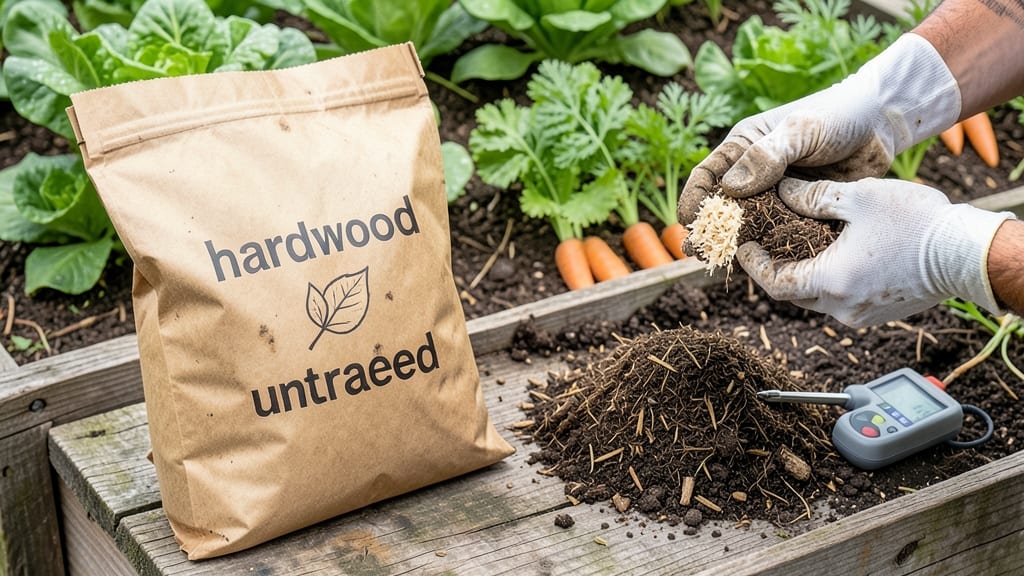
Is sawdust good for the garden? It can be, but only when it's properly aged, untreated, and used sparingly to prevent nutrient loss and fungal issues. Fresh or chemically treated sawdust will actually harm your plants and soil health.
Is sawdust good for the garden?
It works as a natural soil amendment because it breaks down slowly, adding organic matter that improves drainage and water-holding capacity. 🌱 However, the key is using aged hardwood sawdust (like oak or maple) that's been stored for at least 6 months to avoid robbing nitrogen from your soil.
I've seen gardeners accidentally kill plants by mixing fresh sawdust directly into beds—it creates an anaerobic environment that smothers roots. For best results, mix it into compost piles or use it as a top layer in mulch, where it'll decompose gradually without causing imbalances.
If you're unsure about using sawdust, consider wood chips or composted mulch instead—they provide similar benefits without the risks. Sawdust is particularly useful for acid-loving plants like blueberries or azaleas, where its slow decomposition helps maintain the right pH over time.
Just remember: when in doubt, test your soil first and start with small amounts to monitor how your plants respond.
💡 In This Article
- How Sawdust Affects Soil Composition and Plant Growth
- Best Practices for Using Sawdust in Garden Beds
How sawdust affects soil composition and plant growth
Sawdust acts as a carbon-rich amendment that feeds beneficial soil microbes through a process called decomposition. When properly aged, it breaks down into humus over months, improving soil structure by creating tiny air pockets that enhance aeration.
This is especially helpful in clay-heavy soils, where sawdust can loosen compacted particles by up to 30% when mixed at a 10-20% ratio with existing soil.
The slow release of organic matter also helps retain moisture—soil with 5% sawdust content holds 15-20% more water than untreated soil during dry spells. 🌱
The risks come from sawdust's high carbon-to-nitrogen ratio (400:1 or higher in fresh wood), which creates a nitrogen "sink" as microbes compete for available nitrogen to break it down. This can lead to nitrogen depletion, causing yellowing leaves in nitrogen-hungry plants like tomatoes or corn.
Coniferous sawdust (pine, cedar) poses additional risks due to its natural phenolic compounds, which can suppress microbial activity and lower soil pH to 4.5 or below—harmful for most garden plants. Hardwood varieties like oak or maple decompose more safely but still require aging for 6-12 months to stabilize.
Microbiologically, sawdust supports fungal-dominated ecosystems, which can be beneficial for certain plants but problematic for others. While fungi help break down complex carbon compounds, their dominance can outcompete bacteria, which are crucial for nutrient cycling.
This shift often results in slower nutrient release—ideal for long-term soil building but potentially stunting fast-growing annuals.
The texture of sawdust also matters: finer particles (1-2mm) decompose faster but may form dense mats that block water infiltration, while coarser sawdust (3-5mm) improves structure but takes longer to break down. ✨
One often-overlooked factor is sawdust's impact on soil pH. As it decomposes, it releases organic acids that can gradually acidify soil, dropping pH by 0.5-1.0 units over a year in some cases. This makes sawdust particularly useful for acid-loving plants like blueberries or hydrangeas but requires monitoring for other species.
The key is balancing sawdust with nitrogen sources (like compost or manure) to maintain microbial diversity and prevent nutrient imbalances. For example, mixing 1 part sawdust with 2 parts compost creates an ideal decomposition environment.
Scientific studies show that sawdust's benefits peak when used as a mulch layer (2-3 inches thick) rather than tilled into soil. This method allows gradual decomposition while protecting soil moisture and suppressing weeds. The downside?
Sawdust mulch can form a physical barrier that prevents water from reaching roots if applied too thickly (>4 inches). For container gardens, sawdust should be mixed at no more than 10% of the total volume to avoid compaction and poor drainage. 💫
To test sawdust's readiness, look for these signs: it should feel dry and crumbly, with no visible mold or musty odor. Fresh sawdust often smells like pine resin or wet wood, while properly aged sawdust has an earthy, slightly sweet aroma.
When in doubt, conduct a simple nitrogen test by mixing sawdust with garden soil and observing plant growth—if leaves yellow within weeks, the sawdust needs more aging or should be paired with nitrogen-rich amendments.