
Advice
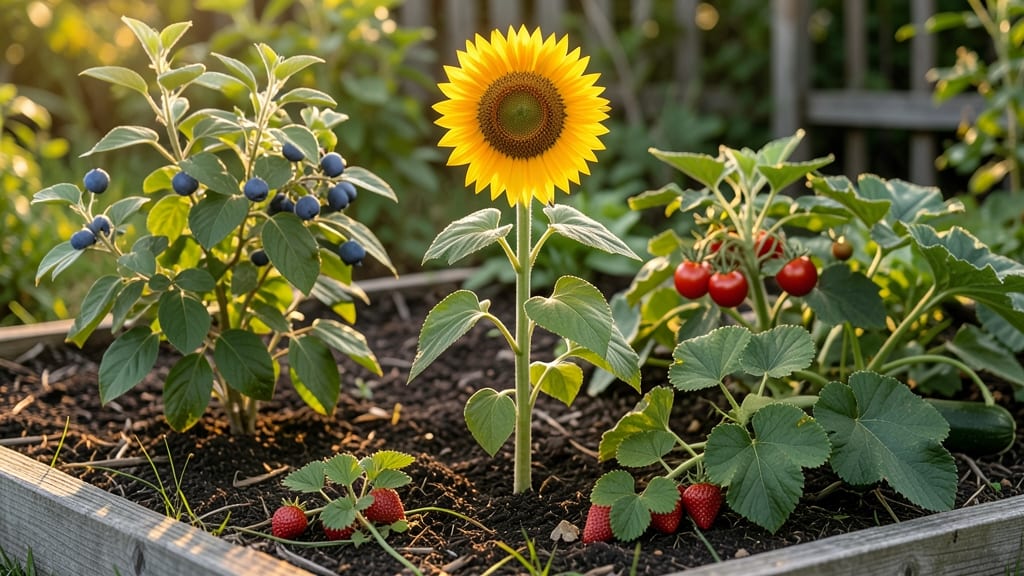
The best states for gardening are California, Oregon, Washington, and Texas, where mild winters, long growing seasons, and abundant rainfall create perfect conditions for diverse crops, while states like Alaska and North Dakota adapt with cold-hardy plants and greenhouse techniques.
California leads with its Mediterranean climate, offering 300+ frost-free days in coastal regions and year-round growing potential. 🌿 Oregon and Washington follow closely with their temperate maritime climates, ideal for berries, vegetables, and flowers.
Texas stands out for its vast agricultural diversity, from citrus groves to cotton fields, while Alaska and North Dakota prove that even challenging climates can yield bountiful harvests with the right planning. The key difference?
Southern states focus on maximizing seasonal yields, while northern states prioritize cold-resistant varieties and protected growing spaces.
What truly sets these states apart isn't just climate—it's how they support gardeners through local policies and resources. California, for example, offers extensive water conservation programs, while Texas provides generous agricultural subsidies.
Even in colder climates, states like North Dakota have robust community garden networks and seed-saving cooperatives that help gardeners thrive despite shorter seasons.
💡 In This Article
- Climate and Growing Season Factors for Top Gardening States
- Gardening Regulations and Incentives by State
Climate and growing season factors for top gardening states
The USDA Hardiness Zone map is your gardener's GPS, and the top states for gardening—California, Oregon, Washington, and Texas—span zones 5b to 10a, creating ideal conditions for nearly any crop.
California's coastal regions (zones 9b-10a) enjoy 300+ frost-free days, while inland valleys (zones 7b-9a) experience hot summers perfect for citrus and olives. Oregon and Washington's temperate maritime climates (zones 7b-9a) deliver consistent rainfall—36-48 inches annually—that keeps soil moist without waterlogging, ideal for berries and vegetables.
Texas stands out with its dramatic climate contrasts: the Gulf Coast (zone 9a) grows tropical fruits like mangoes, while the Hill Country (zone 8a) thrives with pecans and grapes.
The state's 200+ frost-free days in southern regions create a 12-month growing potential, though northern areas (zone 7b) require careful crop selection. Microclimates play a huge role—San Francisco's coastal fog keeps tomatoes thriving in summer, while Death Valley's extreme heat (zone 10a) demands shade-loving plants. 🌵 The key?
These states leverage their diverse zones to grow crops year-round, unlike northern states with shorter seasons.
Rainfall patterns make all the difference. California's Mediterranean climate means dry summers and wet winters, forcing gardeners to rely on irrigation (especially in drought-prone areas).
Oregon and Washington's consistent precipitation reduce watering needs, while Texas's variable rainfall—from 20 inches in West Texas to 60+ inches near Houston—requires smart water management.
Alaska and North Dakota, in contrast, have 30-150 frost-free days, so gardeners focus on cold-hardy crops like kale, potatoes, and hardy berries, often using greenhouses to extend seasons.
Frost dates are critical. In California, coastal frost rarely occurs, but inland valleys can see 10-20 frost days annually, limiting winter crops. Oregon's Willamette Valley (zone 8a) has 180 frost-free days, perfect for wine grapes, while Washington's Puget Sound region (zone 8b) supports year-round gardening.
Texas's "last frost" dates range from February in South Texas to April in the Panhandle, dictating planting schedules. These variations explain why California leads in specialty crops (avocados, artichokes) while Texas dominates in grains and cotton.
Soil quality ties it all together. California's Central Valley has some of the world's most fertile loamy soil, while Oregon's volcanic soil (from Mount Hood) is rich in minerals. Texas's blackland prairie soil is deep and nutrient-dense, ideal for row crops.
Even in colder climates, North Dakota's chernoozem soil (a fertile black soil) supports hardy grains and legumes. The science? Organic matter content, drainage, and pH levels (ideal: 6.0-7.0) determine plant health, and these top states have it all—whether naturally or through amendments.
What most gardeners don't realize is how microclimates within states create local specialties. A 5-mile elevation change in California's Sierra foothills can shift zones by 2-3 levels, allowing gardeners to grow both tropical and temperate crops simultaneously.
In Texas, urban heat islands in Dallas (zone 8a) let gardeners plant mango trees, while rural areas (zone 7b) stick to peaches. This diversity is why these states dominate gardening rankings—climate isn't just about averages, it's about harnessing every micro-variation. 🌍