
Pests
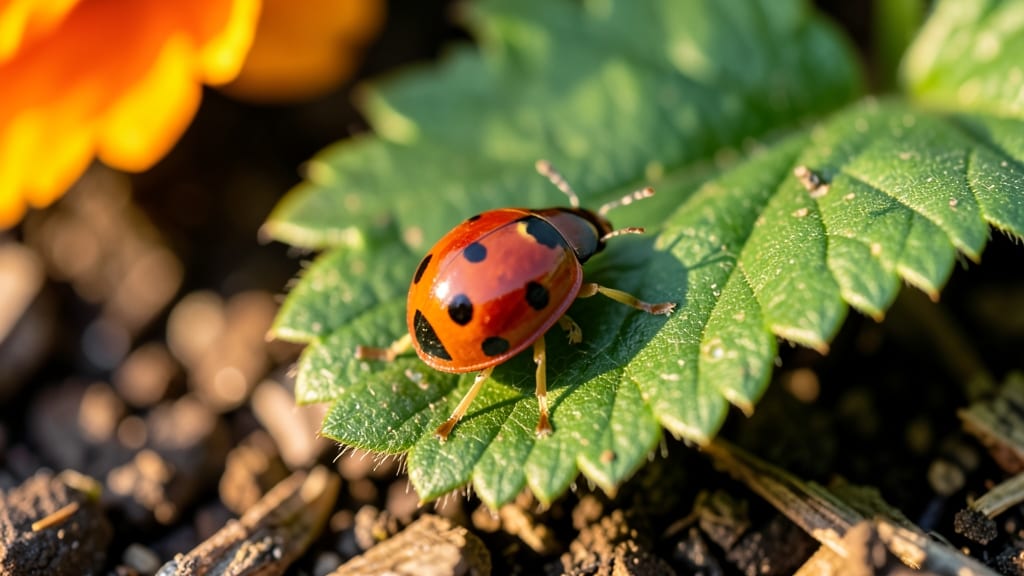
Insects in garden identification is the first step to protecting your plants — and getting it wrong can turn a harmless visitor into a full-blown crisis.
Struggling to tell whether that tiny black beetle is a beneficial predator or a leaf-munching menace? Misidentifying insects can mean the difference between saving your plants or losing them to hidden threats.
One wrong move, and your tomatoes could end up riddled with holes instead of ripe and ready to pick.
This quick guide covers the most common garden insects, from the tiny ladybug that polices your plants to the voracious aphid that drains them.
You’ll learn how to spot their key traits — color, size, and the kind of damage they leave behind — so you can act fast when trouble arrives.
Beyond identification, I’ll show you natural control methods that work without harsh chemicals, plus when to call in the pros for serious infestations. No more guessing — just clear answers to keep your garden thriving.
How to identify common garden insects by appearance & damage signs
Identifying garden insects correctly helps you decide whether to intervene or simply enjoy their presence. Many insects play crucial roles in pollination and natural pest control, while others can devastate your plants. Start by observing body shape, color patterns, and the type of damage they leave behind.
A magnifying glass can help spot tiny details like antennae length or wing patterns that distinguish beneficial predators from harmful pests.
Look for physical characteristics like hard shells, soft bodies, or wing coverings. For example, beetles have hard forewings, while aphids are soft-bodied and clustered. Pay attention to plant damage signs such as chewed leaves, sticky residue (honeydew), or silk webbing.
These clues often reveal the culprit before you even see the insect. Always check the underside of leaves and new growth areas, as pests often hide there.
| Insect Name | Appearance | Damage Signs | Type |
|---|---|---|---|
| Ladybug | Small, round, red with black spots | None (eats aphids) | Beneficial |
| Aphid | Tiny, soft, green/black, clustered | Curled leaves, sticky honeydew | Pest |
| Japanese Beetle | Green head, copper wings | Skeletonized leaves | Pest |
| Praying Mantis | Triangular head, folded legs | None (eats pests) | Beneficial |
| Caterpillar | Worm-like, hairy or smooth | Large holes in leaves | Pest |
| Honeybee | Yellow/black stripes, fuzzy | None (pollinates) | Beneficial |
| Spider Mite | Tiny, red/yellow, webbed | Speckled leaves, webbing | Pest |
| Ground Beetle | Shiny, elongated, black | None (eats slugs) |
Natural control methods for garden pests ranked by effectivenessOnce you've identified the culprits in your garden, the next step is choosing the right natural control methods. Not all solutions work equally well for every pest—some require immediate action, while others can be managed with gentle, long-term strategies. I've tested these methods over years of organic gardening and ranked them based on effectiveness, ease of use, and safety for plants. The best approach often combines multiple techniques for lasting results. For soft-bodied pests like aphids and mites, neem oil and insecticidal soap are my top recommendations. These disrupt the pests' cell membranes without harming beneficial insects. For chewing insects such as caterpillars and beetles, companion planting and handpicking tend to work best. Meanwhile, beneficial insects like ladybugs and lacewings can provide biological control that's both effective and sustainable. My go-to homemade spray is a mix of 1 tablespoon of castile soap, 1 tablespoon of vegetable oil, and 1 teaspoon of baking soda in a quart of water. This concoction works wonders on aphids and whiteflies. Spray it directly on the pests in the early morning or late evening to avoid harming bees. For caterpillars and beetles, I often rely on Bt (Bacillus thuringiensis), a natural bacteria that targets only specific pests without affecting other wildlife. When dealing with soil-dwelling pests like grubs or cutworms, diatomaceous earth is my secret weapon. Simply sprinkle a thin layer around the base of plants—it's non-toxic, organic, and works by dehydrating the pests. For larger infestations, I combine companion planting (like marigolds to deter nematodes) with crop rotation to break pest life cycles. The key is consistency; pests don't stand a chance when you're proactive. If you're dealing with persistent pests like Japanese beetles, handpicking in the early morning when they're sluggish is surprisingly effective. Drop them into soapy water to eliminate them. For scale insects, a cotton swab dipped in rubbing alcohol can remove them individually. While these methods take more time, they're chemical-free and keep your garden thriving naturally. Remember, the most effective gardens are diverse and balanced. By integrating these natural methods—neem oil for soft-bodied pests, companion planting for chewers, and beneficial insects for long-term control—you'll create an ecosystem where pests struggle to gain a foothold. Start with one or two methods, observe their impact, and gradually build your garden's resilience. |