
Tools
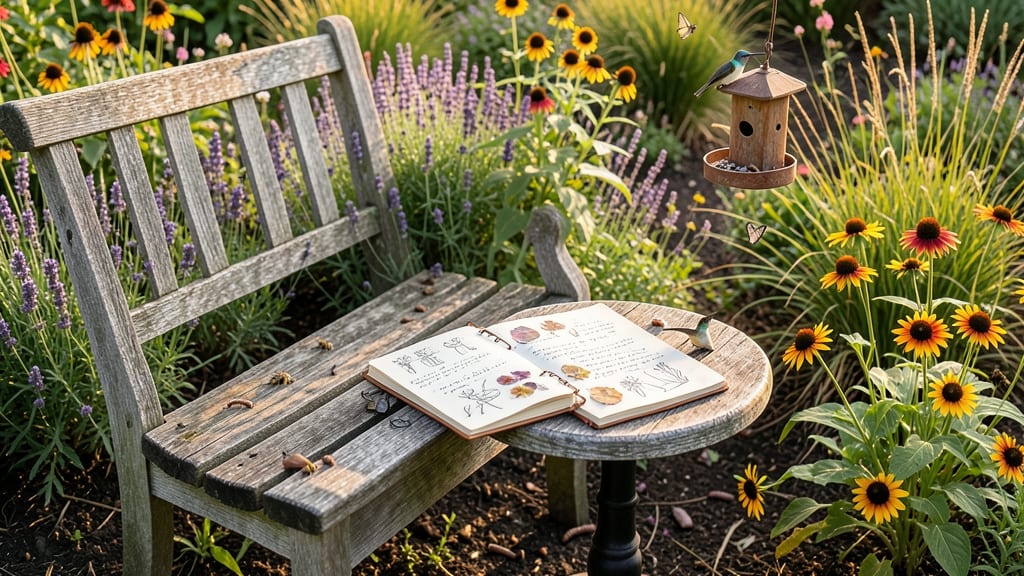
The importance of gardens extends far beyond aesthetics, serving as powerful tools for mental health and community building by reducing stress, enhancing mindfulness, and fostering social connections through nature-based activities.
Gardens act like natural therapy rooms for the mind, with studies showing that just 20-30 minutes of gardening can lower cortisol levels by up to 30%. 🌿 The sensory engagement—touching soil, smelling flowers, hearing birds—triggers the brain's relaxation response, similar to meditation.
Beyond individual benefits, community gardens create shared spaces where neighbors collaborate, reducing isolation and building resilience. I've seen firsthand how urban gardens transform vacant lots into hubs for education and social interaction, especially in underserved areas.
What makes gardens uniquely effective is their dual impact: they heal individuals while strengthening communities. For example, therapeutic horticulture programs help veterans recover from PTSD, while school gardens teach children about nutrition and teamwork.
The physical activity involved also boosts endorphins, creating a compounded wellness effect that goes beyond what indoor spaces can offer.
💡 In This Article
- How Gardens Improve Mental and Emotional Well-Being
- Creating Community Through Urban and Shared Gardens
How gardens improve mental and emotional well-being
Gardens work their magic on mental health primarily through a combination of biophilic design and sensory engagement. When you spend time in a garden, your brain responds to natural elements like plants, water features, and open spaces by activating the parasympathetic nervous system—the "rest and digest" mode that counteracts stress.
Studies from the University of Michigan found that gardening reduces cortisol (the stress hormone) by 20-30% after just 20-30 minutes of activity, comparable to the effects of meditation.
The tactile experience of handling soil, which contains beneficial microbes like Mycobacterium vaccae, even triggers the release of serotonin, a neurotransmitter linked to happiness and calm.
The visual and olfactory stimulation in gardens creates a multi-sensory experience that distracts the mind from negative thought patterns.
For example, the scent of lavender has been shown to lower anxiety by 28% when inhaled, while the vibrant colors of flowers stimulate the brain's ventral tegmental area—the reward center. 🌸 Research from the University of Florida also highlights how gardening's repetitive motions (planting, weeding) induce a meditative state similar to knitting or drawing, where focus narrows to the present moment.
This "flow state" is particularly beneficial for individuals managing depression or anxiety, as it provides a healthy escape from rumination.
Therapeutic horticulture programs take these benefits further by incorporating structured gardening activities into mental health treatment. At the Therapeutic Gardens program in Boston, veterans with PTSD report 40% reductions in symptoms after participating in 12-week gardening workshops.
The combination of physical movement, goal-oriented tasks (like growing food), and social interaction creates a holistic healing environment. Unlike traditional talk therapy, gardening engages both the mind and body, making it especially effective for conditions where emotional processing is difficult.
One often-overlooked mechanism is how gardens provide a sense of autonomy and accomplishment. Watching a seed grow into a plant gives tangible proof of progress—a concept psychologists call "behavioral activation."
For instance, growing a tomato plant from seed to harvest can take 60-90 days, offering a clear timeline for measuring personal achievement. This contrasts with indoor hobbies that may lack visible outcomes, making gardening uniquely rewarding for mental health.
Even small garden spaces can make a difference. A study in the Journal of Health Psychology found that residents with balcony gardens in urban areas reported 15% higher life satisfaction than those without access to greenery.
The key is creating opportunities for regular interaction—whether through container gardening, indoor herbs, or community plots. The physical presence of plants alone can improve mood, with research showing that offices with greenery have employees who experience 37% less fatigue and 60% fewer symptoms of ill health.
For those new to gardening, starting with low-maintenance plants like succulents or herbs can provide immediate benefits. These require minimal care but deliver instant sensory rewards—bright colors, pleasant aromas, and edible harvests—that reinforce positive emotional responses.
The act of caring for living things creates a cycle of giving and receiving that's fundamentally human and deeply satisfying. 🌱