
Size
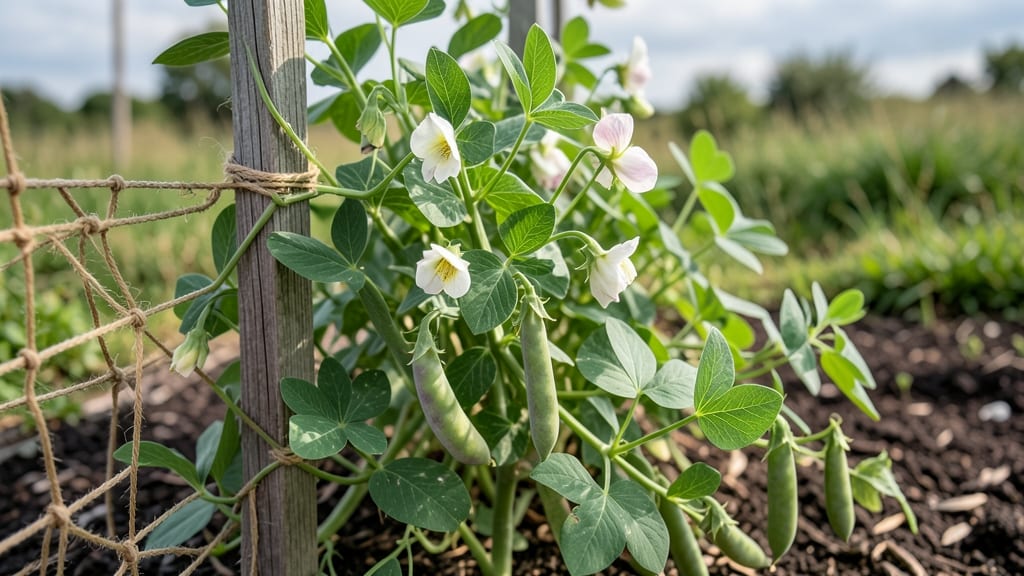
Garden peas grow between 1 and 6 feet tall, depending on the variety you choose—some stay compact like shrubs, while others climb like vines needing sturdy support.
If you’ve ever wondered whether your garden has enough vertical space for these spring favorites, the answer depends on what you plant. A 2-foot bush pea fits neatly in a container, but a 6-foot vining type will reach for the sky unless you give it a trellis.
Below, I break down the height differences between dwarf, semi-dwarf, and climbing varieties—plus how to pick the right trellis or support for each type. You’ll also learn how to maximize space in small gardens and avoid common mistakes that stunt growth.
Whether you’re planning a raised bed or a backyard patch, knowing these details means fewer tangled vines and more harvest-ready pods by summer.


Garden pea height by variety: compact bush vs. tall vining types
When planning your pea garden, height matters more than you might think. Some varieties stay neatly contained as compact bush types, while others send out long, vigorous vines that need serious support. The right choice depends on your space, trellis options, and even your harvesting style.
For example, dwarf varieties like 'Little Marvel' thrive in containers, while tall climbers like 'Mammoth Melting Sugar' can reach heights of 6 feet or more.
Understanding these differences helps you avoid overcrowding, maximize vertical space, and prevent vines from toppling over. Whether you're working with a balcony garden or a sprawling backyard, selecting the right pea height ensures a bountiful harvest without the hassle of tangled vines or collapsed supports.
Let's break down the key categories so you can choose what works best for your setup.
| Variety Type | Average Height | Trellis Needs | Popular Cultivars |
|---|---|---|---|
| Dwarf (Bush) | 1–2 feet | None (self-supporting) | 'Little Marvel', 'Tom Thumb' |
| Semi-Dwarf | 2–3 feet | Light support (stakes or small cages) | 'Sugar Sprint', 'Oregon Sugar Pod' |
| Climbing (Tall) | 4–6 feet | Heavy-duty trellis (6+ ft tall) | 'Mammoth Melting Sugar', 'Sugar Snap', 'Telephone' |
Dwarf varieties like 'Little Marvel' are perfect for small spaces or containers, reaching only 1–2 feet tall. These bush peas don’t require trellises, making them ideal for beginners or urban gardeners.
Their compact size also means you can plant them in tight rows without worrying about vines sprawling. However, their smaller stature often results in lower yields compared to taller varieties.
Semi-dwarf peas strike a balance, growing 2–3 feet tall and benefiting from light support like small cages or stakes. Cultivars like 'Sugar Sprint' are great for garden beds where you want some vertical growth without committing to a full trellis system.
They’re also easier to harvest than tall vines, as pods stay within arm’s reach. If you’re short on space but still want a good harvest, these are the way to go.
For maximum yield and dramatic vertical growth, climbing varieties like 'Mammoth Melting Sugar' are unbeatable. These peas can reach 6 feet or taller, producing long, productive vines that need sturdy trellises or fences. The trade-off?
You’ll need to dedicate space for supports and commit to regular training. But if you have the room, these varieties deliver the most pods per plant and are perfect for maximizing small garden footprints.
Choosing the right height also affects your harvesting experience. Tall vines require ladders or bending, while dwarf varieties are easier to pick. If you have mobility concerns, semi-dwarf or bush types might be more practical.
For families or large-scale gardens, climbing peas offer the highest output but demand more planning upfront.
One often-overlooked factor is wind resistance. Tall vines are more susceptible to toppling in breezy conditions, so securing your trellis is critical. I’ve seen 6-foot pea plants snap stakes in strong winds, leading to wasted harvests.
Always bury trellis supports at least 12 inches deep for stability. For container growers, dwarf varieties eliminate this risk entirely.
If you’re growing peas in containers or small pots, stick to dwarf or semi-dwarf types. Even 'Little Marvel' can thrive in a 5-gallon bucket with proper drainage. Just ensure the container is wide enough to accommodate the plant’s spread, as even bush peas need room to bush out.
For larger containers, you can fit 2–3 plants together, but avoid overcrowding to prevent disease.
Pro tip: Mix heights in your garden for visual interest and efficient space use. Plant tall climbers along fences and dwarf varieties in front to create a layered effect. This not only looks stunning but also makes harvesting easier by keeping pods at different levels.
Just be mindful of shading—taller peas can block sunlight from shorter varieties planted nearby.
No matter which height you choose, remember that consistent moisture is key to supporting tall growth. Peas need 1–1.5 inches of water per week, especially during flowering and pod development.
Dry spells can stunt vines or cause pods to shrivel. Mulching with straw helps retain moisture and keeps roots cool, which is especially important for tall varieties.
Ready to plan your pea patch? Start by measuring your space and trellis options. If you’re short on vertical room, dwarf varieties are your best bet. For ambitious gardeners, climbing peas offer a rewarding challenge—and a stunning vertical display that’s as beautiful as it is productive. 🌱
How pea height affects trellis planning and garden layout
When planning your garden layout, pea height determines whether you'll need simple stakes or tall trellises. Tall varieties like 'Mammoth Melting Sugar' can reach 6 feet or more, while dwarf types like 'Little Marvel' stay under 2 feet.
Choosing the right support isn't just about aesthetics—it's about preventing disease and maximizing yield by improving airflow and sunlight exposure.
For compact bush peas, individual cage supports or short stakes work perfectly, saving space in small gardens. But for climbing varieties, a strong trellis system is essential to keep vines off the ground and reduce pest risks.
Even in containers or urban gardens, vertical growing can transform limited spaces into productive harvest zones.
- Dwarf Varieties (1-2 ft): Use individual stakes or low cages (18-24 inches tall). Ideal for container growing or small raised beds.
- Semi-Dwarf Varieties (2-3 ft): Install 3-foot trellises or wire cages. Perfect for border edges or vertical garden walls.
- Climbing Varieties (4-6+ ft): Require 6-foot trellises or strong fences. Best for perimeter planting or large raised beds.
- Spacing for Airflow: 2-3 inches apart for bush types, 4-6 inches for climbers. Crowding leads to fungus risks and reduced pod production.
- Container Hacks: Use 5-gallon buckets with netting or mini trellises for dwarf varieties. Add compost-rich soil for better support.
Your trellis material matters just as much as height. Bamboo stakes work for dwarf peas, while metal or wood trellises handle heavy climbers. For urban gardens, consider wall-mounted netting or hanging fabric pockets to save floor space. Always secure trellises before planting—peas grow fast and need immediate support.
In small-space gardens, combine peas with companion plants like radishes or lettuce. The peas' vertical growth shades soil, keeping roots cool while allowing sunlight to reach shorter crops below. This interplanting strategy boosts yield per square foot and reduces weeds.
Pro tip: Prune side shoots on climbing peas to focus energy on main vines and pods. This simple step can increase your harvest by 20-30% while making trellis maintenance easier. Just pinch off shoots larger than a pencil when they appear.
Remember, pea height isn't fixed—proper care affects growth. Well-fed soil with compost and consistent moisture helps vines reach their potential. But even the tallest peas need balanced support to avoid snapping in wind or rain. Start small, observe your plants, and adjust as they grow!