
How To
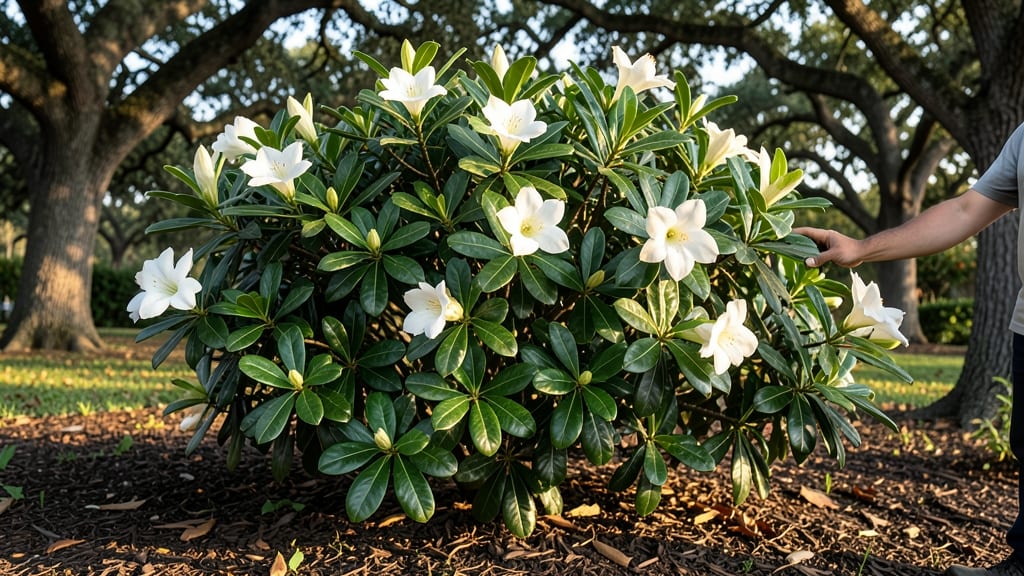
Gardenia plants can grow anywhere from 2 to 6 feet tall, depending on the variety and growing conditions, so your dream fragrant shrub might be smaller—or much taller—than you expect.
If you’re picturing a delicate patio plant but end up with a towering backyard statement piece, the difference often comes down to one key factor: cultivar choice. Some gardenias stay compact, while others reach small-tree heights, and knowing which is which can save you a lot of pruning headaches.
In this guide, we’ll break down the height ranges of popular gardenia varieties—from dwarf types perfect for containers to standard shrubs that thrive as hedges—plus the simple tricks to control their growth, whether you want them neat and tidy or let them stretch their legs.
You’ll also discover how sunlight, soil, and pruning habits shape their size, so you can grow the perfect gardenia for your space—no surprises included.


Gardenia height by variety: small to tall options explained
If you love the sweet fragrance of gardenias but worry about their height constraints, you’re not alone. These tropical shrubs range from dwarf varieties perfect for containers to tall giants that need space in your landscape. The right choice depends on your garden’s size and your pruning goals.
Most gardenias belong to the Gardenia jasminoides species, but even within this group, heights vary wildly. For example, a dwarf gardenia like 'Kleim’s Hardy' stays under 3 feet, while 'Radicans' can reach 6 feet or taller with proper care.
Understanding these differences helps you pick the perfect plant for your space.
Here’s the key: soil acidity, sunlight exposure, and pruning habits all influence how tall your gardenia grows. In acidic, well-draining soil with morning sun, gardenias thrive and reach their full potential. But neglect these needs, and you’ll end up with a leggy, underperforming shrub.
Ready to dive into the specifics? Below, we break down the most popular gardenia varieties by height, including their mature sizes, growth rates, and ideal conditions to keep them at your desired height.
Now that you’ve seen the range, let’s talk about how to control gardenia height. If you’re growing a tall variety like 'Fortuniana' but want to keep it manageable, pruning in late winter is key.
Cut back one-third of the plant to encourage bushier growth and prevent legginess. For dwarf varieties, focus on regular pinching to maintain their compact shape.
Another trick? Container gardening naturally limits height. Plant dwarf varieties in 15-gallon pots and prune roots slightly to restrict growth. Just ensure the pot has drainage holes and use a well-draining, acidic mix to keep roots healthy.
Without these, your gardenia will struggle to thrive, no matter how much you prune.
Don’t forget: light exposure plays a huge role. Gardenias need 4–6 hours of morning sun to bloom well, but afternoon shade prevents heat stress. Too much direct sun can stunt growth, while too little shade may lead to leggy, sparse foliage. Balance is everything!
For tropical climates, gardenias grow taller and faster due to warmer temperatures and higher humidity. In cooler zones (like USDA Zone 8), they may stay shorter unless you provide winter protection.
If you’re in a colder zone, opt for hardy varieties like 'Kleim’s Hardy' to avoid winter damage.
Pro tip: Fertilize lightly during the growing season to encourage bushier growth rather than rapid height increases. Use a balanced, acid-loving fertilizer like 10-10-10, and apply it in early spring and summer.
Over-fertilizing can lead to excessive leafy growth at the expense of flowers, which is the whole point of growing gardenias!
Finally, if you’re growing gardenias indoors, expect them to stay smaller and slower-growing unless you provide bright, indirect light. Place them near an east-facing window or under grow lights for 12–14 hours a day.
Without enough light, your indoor gardenia will stretch toward the light, becoming weak and leggy.
How to control gardenia height: pruning, training, and container tips
Keeping your gardenia at your desired height starts with understanding its growth habits. These fragrant shrubs can quickly outgrow small spaces if left unchecked, but with the right techniques, you can guide their growth to fit your garden perfectly.
The key lies in pruning timing, training methods, and smart container choices for compact varieties.
Most gardenias grow 3-6 feet tall at maturity, but some dwarf varieties stay under 3 feet. The secret to controlling their height isn't just cutting back—it's about seasonal pruning, proper staking support, and choosing the right container size if growing in pots.
Let's explore how to keep your gardenia at the perfect height without sacrificing those intoxicating blooms.
⚠️ Warning: Over-Pruning Risks
Pruning too aggressively can stunt blooms and weaken your gardenia. Never cut back more than 1/3 of the plant in a single session, and avoid cutting into old wood—this removes next year's flower buds! For standard gardenias, limit pruning to late winter/early spring only. Dwarf varieties tolerate light summer trims, but never after mid-summer to preserve fall blooms.
For seasonal pruning, focus on late winter (just before new growth starts) to shape your gardenia. This is when you can make structural cuts to control height while encouraging bushier growth.
Use clean, sharp pruning shears and cut just above a leaf node or bud to promote branching. Remember, gardenias bloom on new wood, so avoid heavy pruning in fall or winter.
If your gardenia is leaning or becoming top-heavy, staking is your best friend. Use bamboo stakes or flexible plant supports inserted gently into the soil near the plant. Tie the main stems loosely with soft plant ties to guide growth upright.
This works especially well for taller varieties like 'Kleim's Hardy' which can reach 6 feet without support. Check ties monthly to prevent stem damage as the plant grows.
Container gardening offers the easiest way to control gardenia height. Choose pots that are 1-2 sizes larger than the plant's root ball to limit root expansion. For dwarf varieties, 10-12 inch pots work well, while standard types need 14-16 inch containers.
Use well-draining soil mixed with peat moss to maintain acidic conditions (pH 5.0-6.5) that gardenias love. Remember to repot every 2-3 years to refresh the soil and prevent root-bound stress.
One common mistake that causes overgrowth is over-fertilizing with high-nitrogen feeds. This promotes leafy growth at the expense of flower production and compact form. Instead, use a balanced acid-loving fertilizer (10-10-10) every 4-6 weeks during growing season.
Pair this with regular deadheading—removing spent blooms—to encourage more flowers and maintain a tidy shape.
With these techniques, you can enjoy your gardenia's fragrant blooms while keeping it at your ideal height—whether that's a patio-sized pot or a privacy hedge along your fence line. The key is consistency: prune seasonally, support as needed, and choose the right container for your variety.
Your gardenia will reward you with lush growth and stunning flowers year after year! 🌸