
How To
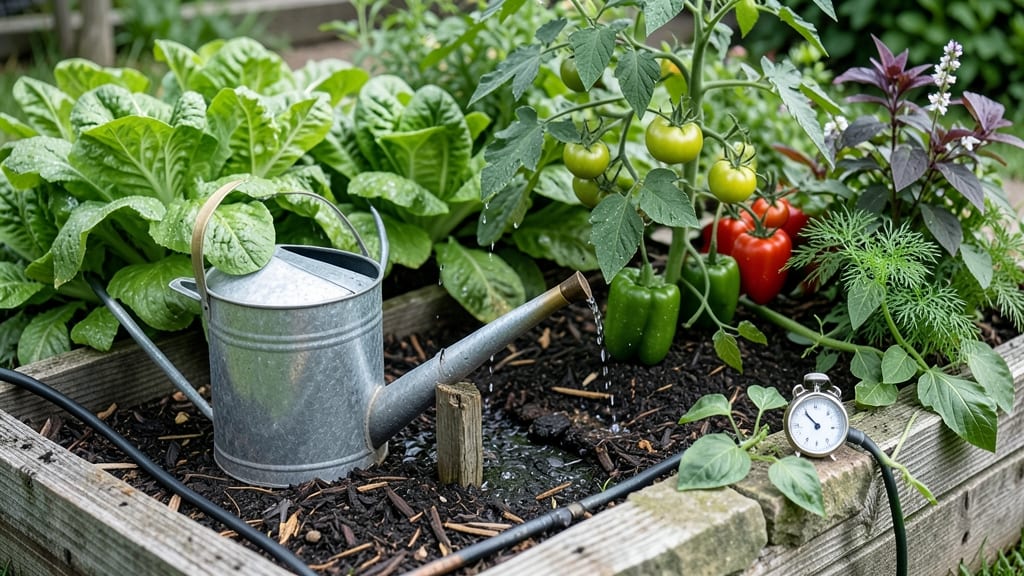
Watering your vegetable garden too often or not enough can turn your 🥬 thriving crops into sad, wilted plants — and the right frequency depends more on soil and weather than you might think.
Overwatering or underwatering your vegetable garden can mean the difference between a bountiful harvest and wilted disappointment — yet most gardeners struggle to strike the perfect balance.
Here’s the secret: it’s not about following a rigid schedule but learning to read your soil and plants. A simple finger test or checking leaf turgor can save you from drowning roots or stressed seedlings.
Below, I’ll break down the science of soil moisture, seasonal adjustments, and the 5 tricks to water your garden just enough — no guesswork required.
How often to water vegetable plants based on soil type and season
Watering your vegetable garden isn't a one-size-fits-all task—it depends on your soil type and the current season. Sandy soil drains quickly, while clay holds moisture too long, and loam strikes the perfect balance.
Understanding these differences helps you avoid root rot or drought stress, ensuring your tomatoes, peppers, and leafy greens thrive.
Seasonal shifts also change watering needs dramatically. Spring showers may mean less supplemental watering, while summer heat demands daily attention. Even fall crops like kale or carrots need careful monitoring as temperatures drop. Let's break down the science-backed approach to keep your garden perfectly hydrated year-round.
Soil type determines how often you should water. Sandy soil needs frequent, shallow watering because it drains within hours, while clay soil may only require watering every 5-7 days but risks suffocating roots. Loamy soil, the gardener's dream, holds moisture well but still needs consistent checks. Matching your watering schedule to your soil saves time and prevents wasted water.
Here’s how to adjust your watering based on soil type and season:
| Soil Type | Spring Watering | Summer Watering | Fall Watering | Key Tips |
|---|---|---|---|---|
| Sandy | Every 2-3 days (light rain may suffice) | Daily (early morning) | Every 5-7 days | Mulch to retain moisture; avoid overhead watering |
| Clay | Every 5-7 days (deep soak) | Every 3-4 days (check top 2 inches) | Every 7-10 days | Improve drainage with compost; water slowly |
| Loamy | Every 3-5 days | Every 2-3 days (deep watering) | Every 5-7 days | Ideal for most vegetables; monitor leaf wilting |
In spring, focus on establishing deep roots. Water deeply but less frequently to encourage roots to grow downward. For example, tomatoes and peppers planted in spring benefit from a deep watering every 3-5 days in loamy soil, while leafy greens like lettuce may need daily checks in sandy soil.
When summer arrives, increase frequency but reduce volume per session. Morning watering is critical to prevent fungal diseases like blight on tomatoes. Clay soil may only need watering every 3-4 days, but sandy soil could require daily attention.
Use a soaker hose or drip irrigation to deliver water directly to roots and minimize evaporation.
Fall brings cooler temperatures and slower growth, so you can ease up on watering. Most vegetables only need water every 5-7 days in loamy soil, while clay soil might hold moisture for up to 10 days between waterings.
Monitor leaf color and soil moisture—wilting or yellowing leaves signal it’s time to water.
Winter watering is minimal, but don’t let your soil dry out completely. In USDA Zone 6a, where many gardeners operate, a light watering every 2-3 weeks keeps roots alive without encouraging rot. Focus on perennial crops like asparagus or herbs, which may need occasional hydration during dry spells.
Pro tip: Use a moisture meter or the finger test (stick your finger 1-2 inches into the soil) to check moisture levels. If the soil feels dry at that depth, it’s time to water. Pair this with mulching to retain moisture and reduce evaporation, especially in sandy or well-drained soils.
By tailoring your watering schedule to your soil type and adjusting for the season, you’ll create the perfect conditions for your vegetable garden to flourish. Consistency is key—whether you’re nurturing root vegetables like carrots or fruiting plants like cucumbers, balanced moisture leads to healthier plants and bigger harvests. 🌱
5 Soil check tricks to determine when vegetables need watering
Knowing when to water your vegetable garden isn't about guessing—it's about reading the soil and plants. I've learned that overwatering and underwatering both lead to poor yields, but simple soil checks can help you find that perfect moisture balance.
These tricks require no fancy tools, just your hands and eyes.
The key is understanding how different vegetables signal their needs. For example, leafy greens like lettuce wilt quickly when thirsty, while root crops like carrots show stress through yellowing tops. Let's explore five easy ways to check soil moisture and plant health to water your garden just right.
Stick your index finger 1-2 inches into the soil. If it feels dry, it's time to water. Sandy soil dries faster than clay.
Check leaves for morning wilting—if they perk up by afternoon, they need water. Crispy edges mean overwatering.
Lift a pot—if it feels light, the soil is dry. Heavy pots mean moisture is still present.
Gently twist a tomato stem—if it snaps easily, the plant is thirsty. A slight bend means it's hydrated.
Healthy lettuce leaves are crisp and dark green. Yellowing or bolting (sending up a flower stalk) means it's time to water.
Each vegetable has unique signals, so I recommend testing these methods on your specific crops. For instance, peppers often show stress through drooping flowers, while beans may develop yellow pods when underwatered. Pay attention to these cues to adjust your watering schedule accordingly.
Remember, the best time to water is early morning when evaporation is lowest. This gives roots time to absorb moisture before the heat of the day. If you notice soil crusting on the surface, it’s a sign you’re overwatering—let the top layer dry slightly between waterings.
With these tricks, you’ll soon master the art of watering your vegetable garden like a pro. The more you observe, the easier it becomes to keep your plants happy and productive. Happy gardening! 🌱