
Light Requirements
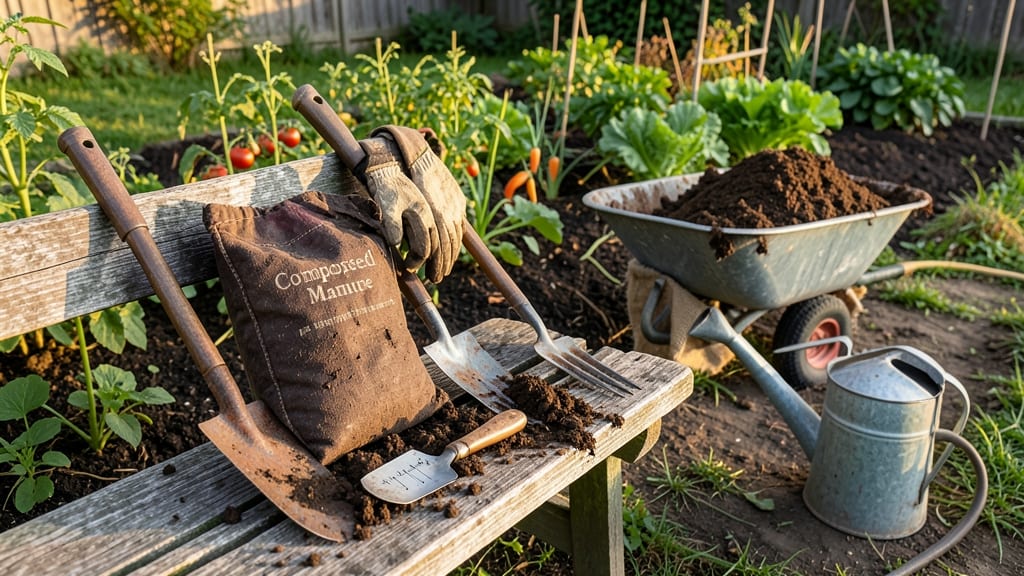
To determine how much manure for garden use, start with 1 part fresh manure to 4 parts soil for general planting, but use 1 part aged manure to 10 parts soil for sensitive plants. Too much can damage roots, while too little won't boost soil fertility enough.
Getting the manure-to-soil ratio right depends on what you're growing and your soil's current health. 🌱 For hearty vegetables like tomatoes or peppers, the 1:4 ratio works well, but for delicate plants like lettuce or strawberries, the diluted 1:10 mix prevents root burn.
I've found that aged manure—composted for at least 6 months—is gentler and safer for all plants, releasing nutrients gradually without overwhelming the soil. The key is balancing organic matter while avoiding salt buildup that can harm plant roots.
When mixing, always work the manure into the top 6-8 inches of soil rather than piling it on the surface. This ensures even distribution and prevents nutrient runoff during rain.
For new garden beds, I recommend testing your soil's pH before applying manure—most vegetables thrive in slightly acidic to neutral soil (pH 6.0-7.0), while blueberries need much more acidic conditions (pH 4.5-5.5). A simple soil test kit makes this easy to check.
💡 In This Article
- Manure-to-Soil Ratios by Plant Type and Soil Conditions
- Step-by-Step Guide to Mixing Manure for Garden Beds
Manure-to-soil ratios by plant type and soil conditions
The right manure-to-soil ratio depends entirely on what you're growing and your soil's current composition. For example, leafy greens like spinach or lettuce are nitrogen-sensitive—they'll bolt (go to seed prematurely) if hit with too much nitrogen-rich manure.
In these cases, use 1 part aged manure to 10 parts soil to provide nutrients without overwhelming the plants.
Root crops like carrots or beets, on the other hand, need more phosphorus and potassium, so a 1:6 ratio with aged manure works better to support tuber development without causing forked roots from excess nitrogen.
Soil type also dictates the ideal ratio. Sandy soils drain quickly and have poor nutrient retention, so they benefit from a slightly higher manure concentration—try 1 part aged manure to 5 parts soil—to hold onto moisture and nutrients longer.
Clay soils, which compact easily, need a more diluted mix (1:8 ratio) to prevent nutrient runoff and improve drainage. Loam, the ideal middle ground, typically handles the standard 1:4 ratio for fresh manure or 1:6 for aged, balancing organic matter without overloading the soil.
Here's what's actually happening in your soil: Manure introduces organic matter that feeds beneficial microbes, which in turn break down the nutrients into plant-available forms. Fresh manure contains high levels of ammonia (from urine) and volatile compounds that can burn plant roots if not composted first.
That's why aged manure—composted for 6-12 months—is safer for most plants. The decomposition process reduces ammonia levels and stabilizes nutrients, making them available over time rather than all at once.
For example, a 1:10 ratio of aged manure might contain about 3-5% organic matter, while fresh manure can have 10-20% organic matter but requires careful dilution.
Consider these key factors when choosing your ratio:
- Plant sensitivity: Delicate plants (strawberries, blueberries) need 1:10 aged manure to avoid root burn
- Soil type: Sandy soils take 1:5 aged manure; clay soils need 1:8
- Manure type: Fresh manure requires 1:4 soil mix; aged manure can go up to 1:6
- Season: Apply manure in fall for spring planting to allow microbes to break it down over winter
What most people don't realize is how much nitrogen varies between manure types. Cow manure, for instance, has about 0.5% nitrogen by weight, while chicken manure packs 1.5-3% nitrogen—meaning you need to use it more sparingly (up to 1:20 ratio for fresh chicken manure).
Horse manure falls in between at 0.7-1% nitrogen, making it a good middle-ground option. Always consider the source when calculating your ratios, as overapplication can lead to nutrient imbalances or even toxic levels of salts in the soil.
The visual and textural differences between fresh and aged manure are striking. Fresh manure is coarse, crumbly, and often has a strong ammonia smell—almost like a mix of hay and wet dog food.
Aged manure, on the other hand, looks like dark, crumbly soil with a rich, earthy aroma (think freshly turned compost). The texture is smoother and more uniform, making it easier to mix into garden beds without clumping.
This transformation happens because the decomposition process breaks down the fibrous plant material and stabilizes the nutrients, creating a safer, more effective soil amendment.
For example, when I'm preparing a bed for tomatoes, I'll mix 1 part aged cow manure with 4 parts existing soil and add a handful of bone meal for extra phosphorus. The result is a loose, crumbly mix that holds moisture well while providing steady nutrients throughout the growing season.
The key is to think of manure as a long-term soil builder rather than a quick fertilizer—it's about creating an environment where plants can thrive, not just feeding them a one-time nutrient boost.