
Light Requirements
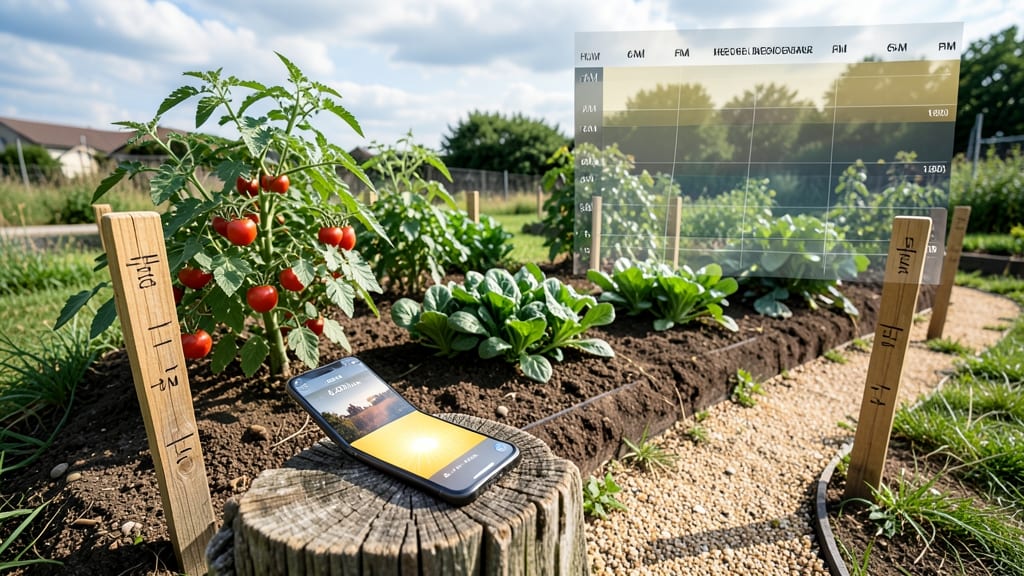
A garden needs 6 to 8 hours of sunlight daily for most plants to thrive — but too much or too little can spell disaster for your 🌱 harvest.
Picture this: you’ve spent hours planting your dream garden, only to watch your greens bolt or your tomatoes turn bland. The culprit? Sunlight exposure. Most gardeners overestimate their garden’s light, thinking more is always better, but the truth is more nuanced.
Sunlight isn’t one-size-fits-all. Some plants, like tomatoes or peppers, crave full sun (6+ hours), while others, such as lettuce or ferns, prefer partial shade (3-6 hours).
Even shade-loving plants need some light to avoid stretching and weakening. Understanding your garden’s natural light patterns is the key to avoiding common mistakes that kill plants.
In this guide, I’ll break down how to measure sunlight in your space, match plants to their ideal light conditions, and fix common sunlight blunders—so you can finally grow the garden you’ve always wanted.


Sunlight requirements by plant type: full sun vs. partial shade vs. low light needs
Understanding sunlight requirements is the foundation of a thriving garden. Full sun plants like tomatoes and peppers need 6+ hours of direct light daily, while others thrive in partial shade or low light conditions.
Misjudging these needs often leads to stunted growth or plant failure—yet most gardeners overestimate their garden's sunlight exposure by 20-30%. Let's break down the essential categories and how to match plants to your garden's natural light patterns.
First, identify your garden's sunlight zones by observing how sunlight moves throughout the day. A south-facing area typically gets the most light, while north-facing spots may receive only 2-3 hours of indirect sunlight. Use a sunlight journal for a week to track patterns—this simple step prevents costly planting mistakes.
For example, my zinnia plants wilted last summer because I planted them in a spot that only received 4 hours of morning sun, not the 6+ hours they needed.
Full sun (6+ hours) is ideal for vegetables, herbs, and flowering plants like marigolds and sunflowers. These plants use intense light for photosynthesis, producing 2-3x more energy than shade-loving varieties. In contrast, partial shade (3-6 hours) suits hostas, ferns, and impatiens, which prefer morning sun and afternoon shade to prevent leaf scorch. Low-light plants (<3 hours) like peace lilies and snake plants thrive in indoor spaces or heavily shaded garden corners.
| Sunlight Category | Hours of Sunlight | Example Plants | Garden Placement Tips |
|---|---|---|---|
| Full Sun | 6+ hours | Tomatoes, Peppers, Lavender, Sunflowers | South or west-facing beds; raised beds for heat retention |
| Partial Shade | 3-6 hours | Hostas, Coleus, Impatiens, Astilbe | East-facing or dappled shade under trees; avoid harsh afternoon sun |
| Low Light | <3 hours | Fern, Peace Lily, Snake Plant, Calathea | North-facing windows or shaded garden corners; use reflective surfaces to maximize indirect light |
| Microclimates | Varies | Succulents, Ornamental Grasses | Test spots for 24 hours; use shade cloth for adjustable light control |
When selecting plants, always check their sunlight labels—these are usually found on seed packets or nursery tags. For instance, a tomato plant labeled "full sun" won’t thrive in a partial shade spot, even if your garden seems bright.
I learned this the hard way when my cherry tomatoes produced blossom end rot due to inconsistent light. To fix this, I moved them to a south-facing raised bed and added a reflective mulch to boost light exposure.
For container gardening, sunlight needs change dramatically. A potted basil on my east-facing patio gets only 4 hours of morning sun, so I supplement with a grow light for 2 extra hours daily.
Similarly, succulents in west-facing pots may need afternoon shade to prevent sunburn. Always rotate containers weekly to ensure even light exposure on all sides.
Seasonal changes also affect sunlight exposure. In winter, gardens in USDA Zone 6 may receive 30% less sunlight due to shorter days, while summer brings intense UV rays that can scorch shade-loving plants.
Use shade cloth (30-50% coverage) to protect delicate foliage during peak hours. I use a removable shade sail over my hosta garden in July to prevent leaf damage.
If your garden lacks natural sunlight, consider light-reflecting surfaces like white gravel or mirrors to bounce light onto shaded areas. My north-facing garden benefits from a polished aluminum panel placed behind low-light plants, increasing their exposure by 1-2 hours.
For indoor gardens, position plants near south-facing windows where they can receive 4-6 hours of indirect light daily.
Finally, don’t overlook microclimates—small areas with unique light conditions. A stone wall or fence can create pockets of shade or trap heat, altering sunlight patterns.
Test these spots for 24 hours before planting. For example, the area behind my shed gets only 2 hours of dappled sunlight, perfect for
How to measure your garden's sunlight hours: DIY tools and seasonal adjustments
Accurately measuring your garden's sunlight hours is the first step to creating a thriving space. Many gardeners assume they know their garden's light exposure, but seasonal changes and nearby structures can drastically alter sunlight patterns.
Understanding these variations ensures you plant the right species in the right spots, avoiding common mistakes like leggy seedlings or stunted growth.
Start by recognizing that sunlight isn't static—your garden receives more direct light in summer and less in winter, sometimes by 2-3 hours daily. Even a small tree or fence can cast shifting shadows.
Without precise measurements, you might accidentally plant sun-loving tomatoes in partial shade or shade-tolerant hostas in full sun, both of which will suffer.
Use a Sunlight Calculator App
Download a free app like Sun Surveyor or Gardenate to track sunlight exposure. Place your phone in a fixed spot for 24-48 hours—these tools automatically log light intensity and duration. For accuracy, test multiple locations, especially areas near walls or large plants.
Map Shadows with a Stake and String
Drive a 12-inch stake into the ground at each test spot. Attach a string to the top and mark where the shadow falls every 2 hours from sunrise to sunset.
Measure the shadow lengths—less than 6 inches indicates full sun (6+ hours), while 6-12 inches suggests partial shade (3-6 hours).
Compare Summer vs. Winter Light
Repeat your measurements in both summer and winter—sunlight can vary by up to 40% between seasons. For example, a spot with 8 hours of sun in July might only get 4 hours in December. Adjust your plant choices accordingly, or use seasonal shade cloths to protect delicate species.
Test with Light-Sensitive Plants
Plant test crops like lettuce (partial shade) or marigolds (full sun) in suspect areas. If lettuce bolts (sends up a flower stalk) or marigolds wilt, you’ve misjudged the light. This is the most foolproof way to verify your measurements without tools.
Once you’ve mapped your garden’s sunlight, label each area with PVC pipes or flags to remember the results. This prevents future guesswork when planning new plantings.
For example, a south-facing bed might get full sun all day in summer but only morning light in winter—perfect for cool-season crops like spinach but too shady for peppers.
Don’t forget to account for microclimates, like spots near water features or against brick walls, which can alter light exposure. With precise measurements, you’ll avoid costly mistakes and create a garden that thrives year-round.
🌱