
Tools
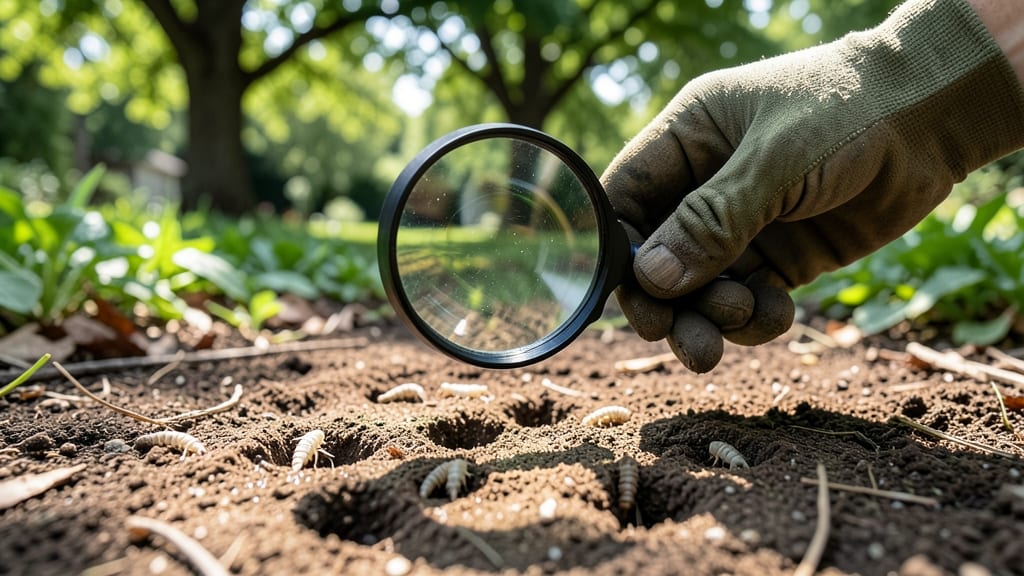
Small holes in garden soil usually appear from underground pests like grubs, mole crickets, or fungus gnats, or from natural causes such as decomposing roots or air pockets. Pinpointing the culprit helps you choose between organic treatments, drainage improvements, or soil aeration for lasting results.
These tiny craters aren't just unsightly—they can signal serious trouble for your plants. 🌱 Grubs, for example, chew through roots while fungus gnats lay eggs in moist soil, creating ideal conditions for mold.
I’ve seen gardeners overlook these signs until their plants start wilting or yellowing, thinking it’s just poor soil quality. The good news? Most solutions are simple, like adding sand to improve drainage or using beneficial nematodes to target pests naturally.
For a quick fix, try a soil test kit to check moisture levels—overwatering often attracts fungus gnats. If you spot small mounds of dirt (a mole cricket’s calling card), handpick them in the evening when they’re most active.
Prevention is key: mulch heavily in spring to deter pests and aerate annually to keep roots healthy.
💡 In This Article
- Common Creatures Causing Small Soil Holes
- Natural and Chemical Fixes for Soil Hole Problems
Common creatures causing small soil holes
Grubs—larvae of beetles like Japanese beetles—are the most frequent culprits behind small, irregular holes in garden soil. These pale, C-shaped larvae burrow 2-4 inches deep, creating tunnels that weaken plant roots. You’ll often spot them in lawns or garden beds where the soil is soft and moist, especially after rain.
Their feeding activity can cause patches of grass or plants to yellow and die, even though the holes themselves are tiny—just 1/8 to 1/4 inch in diameter.
Mole crickets, on the other hand, leave behind small mounds of soil (about 1/2 inch wide) near their burrows, which are deeper and more vertical than grubs’ tunnels. These pests thrive in sandy, well-drained soil and are particularly active in warm climates.
Their presence is usually more noticeable in vegetable gardens or flower beds, where they chew through roots and stems, leaving behind jagged holes. 🔍 Fungus gnats, though less obvious, create tiny holes near the soil surface as they lay eggs in moist, organic-rich soil—often around potted plants or compost piles.
Ants, especially harvester ants, create small holes while foraging for seeds and insects. Their tunnels are usually 1/4 to 1/2 inch deep and often lined with tiny grains of sand or soil particles.
Unlike grubs or mole crickets, ants don’t directly harm plants but can disrupt root systems and create entry points for diseases. The key to distinguishing these pests lies in the hole size, soil texture around them, and the plants they affect—grubs target roots, while fungus gnats prefer surface-level moisture.
Visual clues are your best tool. Grub tunnels often appear as meandering paths in the soil, while mole cricket holes have a volcano-like shape with a central opening. Fungus gnat activity is usually accompanied by a musty smell near the soil surface, especially in overwatered areas.
Understanding these differences helps you choose the right treatment—grubs need nematodes, while fungus gnats respond better to reduced moisture and neem oil.
What most gardeners don’t realize is how quickly these pests multiply. A single mole cricket can lay up to 200 eggs, and grubs can double their population in a season if left unchecked.
The damage isn’t just cosmetic—roots weakened by grubs or mole crickets become vulnerable to disease, leading to stunted growth or plant death. Early intervention, like handpicking mole crickets at dusk or applying beneficial nematodes for grubs, can prevent a small problem from becoming a full-blown infestation.