
Tools
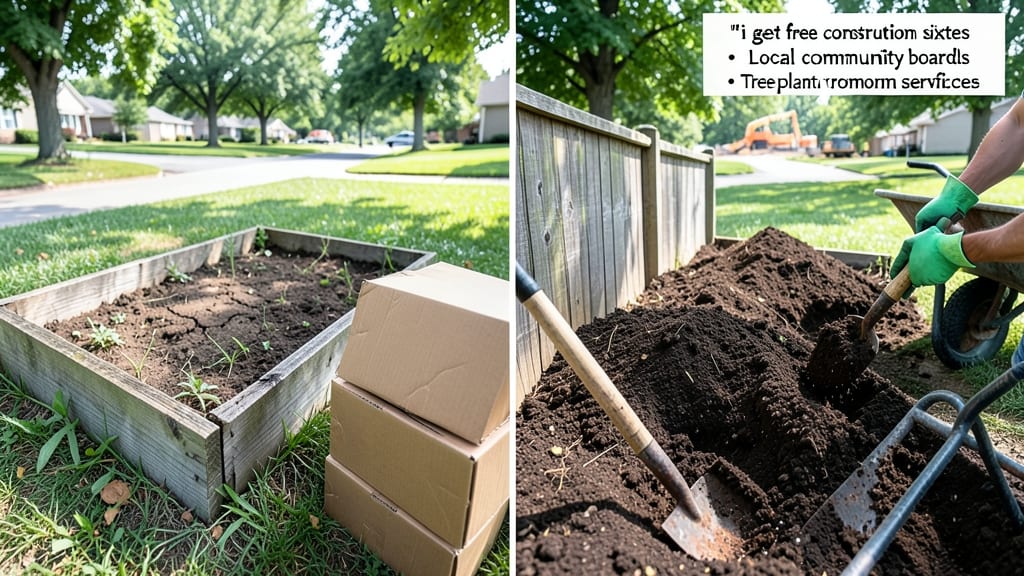
You can get free soil for your garden by visiting construction sites for leftover dirt, asking neighbors for yard waste, or checking community composting programs. Just make sure to inspect it for cleanliness and contaminants before using it in your garden plots.
Many people overlook the easiest sources right in their neighborhoods.
Construction sites often have excess soil they're happy to give away—just call ahead to confirm availability. 🌱 Neighbors with large yards or landscaping projects may also have extra topsoil they'd be willing to share, especially if you offer to haul it away.
Community composting programs sometimes distribute screened soil for free, though you'll need to check their guidelines first.
Before using any free soil, test it for contaminants like chemicals or construction debris. A simple pH test kit helps determine if the soil needs amendments like lime or compost to improve fertility.
I always mix free soil with a bag of organic compost to boost nutrients and create a balanced growing medium for my plants.
💡 In This Article
- Legal Sources for Free Garden Soil
- Preparing and Testing Free Soil for Your Garden
Legal sources for free garden soil
Construction sites are goldmines for free soil—contractors often have piles of excess dirt they're eager to offload to avoid disposal fees. 🌿 The key is timing: call ahead to ask if they're about to finish a project, as fresh dig sites typically have the richest topsoil.
Roadwork crews also sometimes give away stabilized soil from cut-and-fill operations, though you'll need to verify it hasn't been treated with road salts or asphalt binders. Always wear gloves and a dust mask when handling construction soil, as it may contain small debris or residual chemicals from building materials.
Neighborhood landscaping projects yield another excellent source. Homeowners replacing lawns, building patios, or installing drainage systems often have bags of removed topsoil they'd happily donate. I've found that offering to haul it away in your truck or trailer sweetens the deal—many people are relieved to avoid hauling dirt themselves.
Just be specific about what you need: ask for "clean topsoil" rather than general "dirt" to ensure you're getting organic material suitable for gardens. Municipal parks departments sometimes distribute free soil during community cleanups, especially after tree removals or playground renovations.
Local nurseries and garden centers occasionally give away "waste" soil from bagged products. Some stores have a "soil recycling" program where they compost old potting mix or screen used mulch for redistribution.
Call ahead to ask about their soil donation policies—many will let you scoop up leftover soil from their outdoor bins after hours. City composting facilities often sell screened compost at low cost or even give it away, though you may need to volunteer a few hours to qualify.
The texture of composted soil is noticeably finer and more crumbly than construction fill, making it ideal for mixing with heavier garden soil.
Always verify soil safety before using it. Construction soil may contain traces of concrete, asphalt, or treated wood from nearby projects. A simple visual inspection reveals obvious contaminants, but for chemical safety, perform a basic pH test (ideal range is 6.0-7.0 for most vegetables).
Soil testing kits from garden centers cost around $10-$15 and include clear instructions. I once used soil from a roadside project that looked clean but turned out to have high salt content—my tomatoes struggled until I amended it with peat moss and compost.
When in doubt, mix free soil with at least 20% organic matter (like compost or aged manure) to improve fertility.
Timing matters for availability. Spring and early summer see the most construction activity, while fall brings yard waste from leaf removal and garden cleanup. Check with your local city works department—they often have lists of upcoming road projects that generate excess soil.
Some cities even have "soil banks" where residents can swap or donate clean dirt through community programs. The key is persistence: most people are happy to help gardeners, but you'll need to ask politely and be prepared to transport the soil yourself.
One pro tip: bring a 5-gallon bucket when visiting neighbors or small projects—it's easier to transport small quantities than to ask for large amounts. You can always return for more if the soil quality is good.
I've successfully built up my garden beds using this method over several seasons, saving hundreds on topsoil purchases while creating a more sustainable growing environment. The sensory difference between store-bought bagged soil and freshly sourced garden soil is remarkable—the latter smells earthier and supports plant growth more effectively.