
Tools
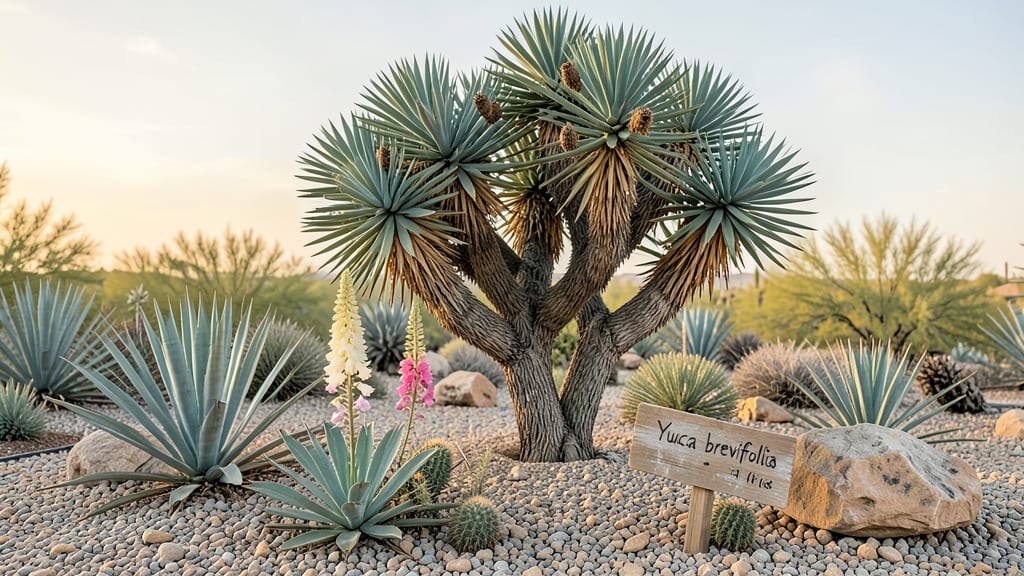
Moorten Botanical Garden in Palm Springs is a desert oasis featuring rare cacti collections, meticulously designed themed gardens including Japanese Zen and Mediterranean landscapes, and year-round flowering displays that adapt beautifully to the region's unique climate.
This 10-acre garden stands out for its botanical diversity, blending native desert plants with exotic species from around the world. 🌵 The Japanese Zen garden offers tranquil meditation spaces, while the Mediterranean section recreates coastal landscapes with lavender fields and citrus trees.
What makes it special is how the garden transforms with each season—spring brings wildflowers, summer showcases drought-resistant succulents, and fall features vibrant foliage. It's not just a garden; it's a living classroom about desert ecology and sustainable landscaping.
Themed garden areas create distinct experiences—like the desert landscape garden with towering saguaros or the seasonal bloom displays that change monthly. Visitors often discover hidden trails connecting these areas, perfect for peaceful walks.
The garden also hosts educational programs about native plant conservation, making it a favorite for both plant lovers and those seeking a quiet escape from Palm Springs' urban energy.
💡 In This Article
- Unique Plant Collections at Moorten Botanical Garden
- Best Hidden Trails and Visitor Tips for Moorten Botanical Garden
Unique plant collections at moorten botanical garden
The garden's star attraction is its rare cacti collection, featuring over 50 species from the Sonoran Desert ecosystem. You'll find towering saguaro cacti (Carnegiea gigantea) reaching heights of 15-20 feet, alongside delicate prickly pear cacti (Opuntia spp.) that produce edible fruit.
What makes these plants extraordinary is their adaptation to extreme conditions—some species store water in their stems to survive 100°F+ temperatures with minimal rainfall. The garden's curators carefully select varieties that demonstrate these survival mechanisms, creating a living laboratory of desert biology.
The Japanese Zen garden offers a striking contrast with its meticulously raked gravel patterns and carefully placed dwarf pine trees (Pinus mugo) that grow no taller than 3-4 feet.
This section demonstrates how Zen gardening principles can be adapted to arid climates using drought-tolerant plants like ice plant (Delosperma spp.) and yucca (Yucca filamentosa).
The garden's water feature, a small dry stream bed, mimics traditional Japanese garden design while using 90% less water than conventional fountains through clever irrigation techniques.
Seasonal transformations are what truly set this garden apart.
During spring (March-May), the wildflower meadow explodes with California poppies (Eschscholzia californica) and desert marigolds (Baileya multiradiata), while summer (June-August) showcases the succulent collection with 100+ varieties including the elephant's foot (Drosanthemum spp.) and living stones (Lithops spp.) that blend seamlessly into their rocky surroundings.
The garden's microclimate zones allow these plants to thrive year-round, with some species flowering three times annually thanks to precise temperature and humidity control.
Conservation plays a crucial role in the garden's mission. The native plant nursery propagates endangered species like the Palm Springs sunflower (Helianthus parishii), while educational signs explain each plant's ecological importance.
Visitors often discover pollinator gardens designed specifically for native bees and butterflies, featuring plants like desert willow (Chilopsis linearis) that produce tubular flowers perfect for hummingbird feeding. The garden's composting system converts organic waste into nutrient-rich soil, demonstrating sustainable practices that visitors can replicate at home.
One hidden gem is the Mediterranean collection, where rosemary bushes (Rosmarinus officinalis) reach heights of 6 feet and olive trees (Olea europaea) produce fruit after 5-7 years of growth. This section recreates coastal landscapes using drought-resistant lavender (Lavandula angustifolia) that thrives in full sun exposure with minimal irrigation.
The garden's aroma experience trail allows visitors to sample different scents, from citrus (lemon verbena) to herbal (thyme), creating a multisensory journey through different botanical regions.
The garden's night-blooming cereus (Hylocereus spp.) is a particular favorite among visitors. These cacti produce 6-inch-wide white flowers that bloom only at night for 24-48 hours, attracting nocturnal pollinators like moths.
The garden's low-light photography sessions during these bloom cycles have become legendary, offering a chance to capture these ephemeral displays. 🌙 This rare phenomenon demonstrates how plants have evolved specialized timing mechanisms to optimize pollination in their natural habitats.