
Tools
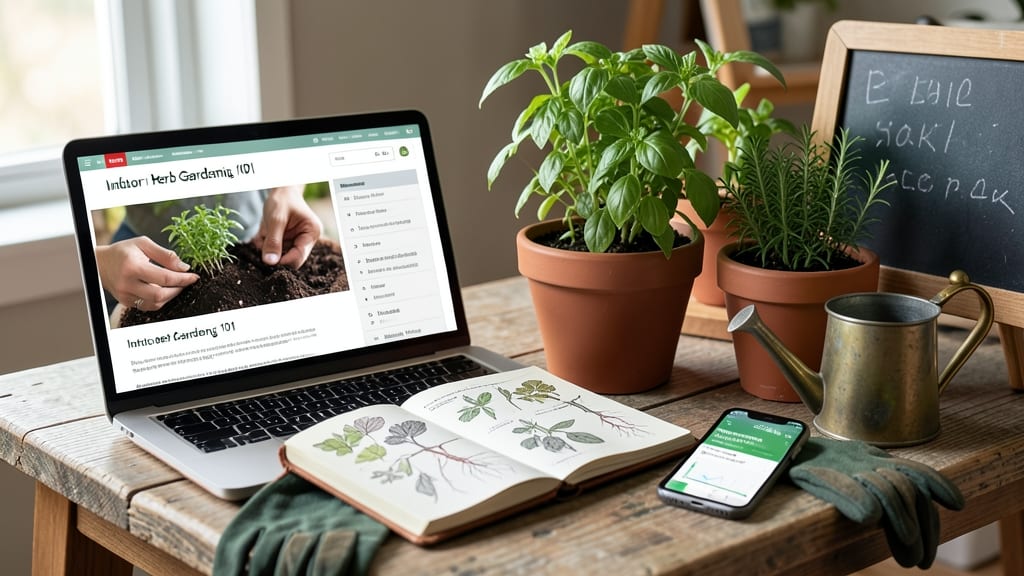
Online gardening schools provide accredited programs that combine classroom theory with practical plant science, covering everything from soil health to organic pest control. These flexible options let you earn certifications from top institutions like Penn State or the University of Florida without leaving home.
What sets these programs apart is their ability to deliver real-world gardening experience through virtual labs and expert-led forums.
Many include seed kits or plant care challenges that let you apply lessons immediately. 🌱 For example, Penn State's program partners with local nurseries for hands-on evaluations, while the University of Florida offers season-specific modules that adapt to regional growing conditions.
The best online schools also provide peer networks where you can troubleshoot problems with fellow students—just like in a physical classroom.
Accreditation is another key factor—look for programs approved by organizations like the Association of Professional Landscape Designers (APLD) or your state's agricultural extension service. These credentials ensure the curriculum meets industry standards, whether you're aiming for a hobby certification or professional horticulture credentials.
Many graduates report that the structured projects (like designing a pollinator garden) give them confidence to tackle real gardening challenges.
💡 In This Article
- How Online Gardening Programs Compare to Traditional Classes
- Key Features to Look for in Accredited Online Gardening Courses
How online gardening programs compare to traditional classes
Online gardening programs replicate the rigor of traditional horticulture courses through digital simulations and interactive tools. For example, Penn State's World Campus uses 3D plant growth models that let students manipulate variables like sunlight exposure and soil pH in real time.
These simulations mirror what you'd experience in a physical greenhouse, but with the added benefit of resetting experiments instantly—something impossible with real plants. 🌱 The University of Florida's IFAS Extension goes further by incorporating regional climate data into their courses, so students learn how to adapt techniques to specific growing zones.
One standout difference is the hands-on component. While traditional classes rely on physical labs, online programs often include seed kits or plant care challenges delivered to your doorstep.
For instance, the American Horticultural Society's online courses provide starter plants and detailed care instructions, letting you track growth alongside your studies. This approach maintains the tactile learning experience while eliminating geographic limitations.
The science behind these alternatives lies in just-in-time learning—students receive materials when they're ready to apply concepts, rather than waiting for lab rotations.
Accreditation standards are another critical comparison. Both online and traditional programs must meet requirements from bodies like the American Society for Horticultural Science (ASHS), but online courses often face stricter scrutiny due to their digital nature.
For example, Penn State's program includes field evaluations where students must photograph their progress and submit it for expert review—proving they can apply knowledge practically. This verification process ensures online credentials hold equal weight to in-person degrees in the horticulture industry. 💫
Flexibility becomes a game-changer for working professionals. Traditional programs typically require fixed schedules and local attendance, while online courses let you pause lessons during harvest season or adjust pacing to your garden's growth cycle.
The University of Florida's modules, for instance, include seasonal checkpoints that align with planting calendars, making it easier to integrate learning with real-world gardening. This adaptability extends to career-focused paths—many online programs offer specialized certifications in areas like organic farming or urban agriculture that traditional schools may not prioritize.
Technology also bridges the gap in community engagement. Online platforms use discussion forums where students post photos of their gardens for peer feedback—recreating the collaborative environment of a physical classroom.
For example, the Cornell University's online horticulture program features a "Plant Clinic" forum where experts diagnose issues from submitted images, just like you'd consult a professor during office hours. This digital interaction maintains the social learning aspect while adding global perspectives, as students from different climates share solutions. 🌍
The cost advantage is another key differentiator. Traditional programs often require relocation, housing, and lab fees that can exceed $20,000 for a degree, while online courses typically range from $500-$3,000 per certification. This affordability stems from reduced overhead—no need for physical campus infrastructure—and the ability to scale courses globally.
What most people don't realize is that many online schools partner with local nurseries for discounted plant supplies, further lowering the total cost of education. 💰