
Planting
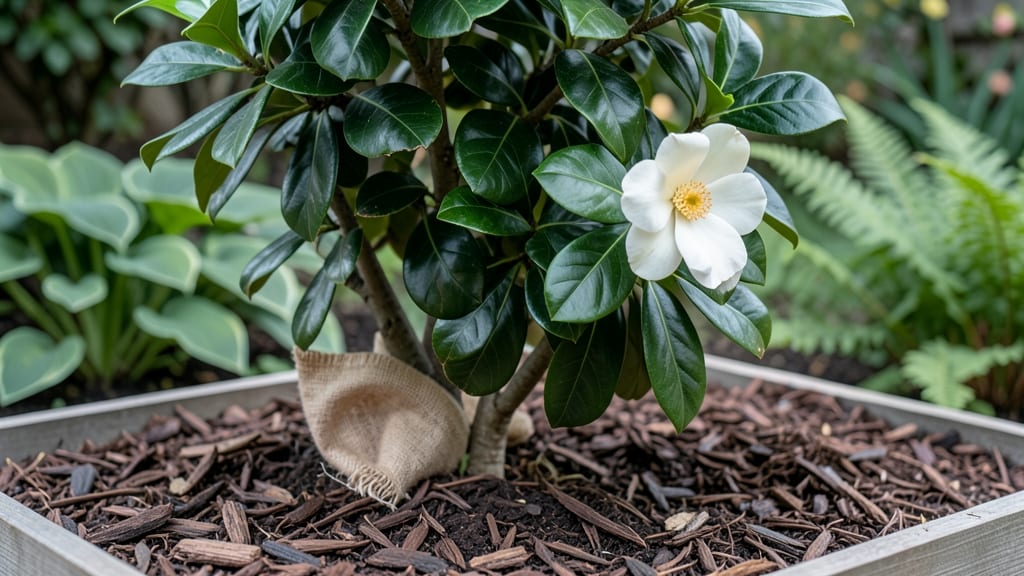
For gardening in Zone 5, gardenia plants need cold-hardy varieties like Gardenia jasminoides 'Kleim's Hardy' or Gardenia 'Radicans' to survive temperatures down to 10°F, requiring winter care such as mulching, wind protection, and container overwintering for outdoor plants.
Cold-hardy gardenias are specifically bred to withstand Zone 5's harsh winters, unlike their tropical cousins that freeze at 20°F or above. 🌱 The key difference lies in their root systems and leaf structures—these varieties develop thicker bark and deeper roots that insulate against frost.
I’ve found that planting them in well-draining soil with a pH of 5.0–6.5 gives them the best chance to thrive, even when temperatures drop. Mulching with 3–4 inches of straw or pine needles in late fall creates an insulating layer that protects roots from freezing.
If you’re growing gardenias in containers, move them to a sheltered spot like a garage or basement before the first frost hits. Wrapping the pots in burlap or frost cloth adds an extra layer of protection.
These methods don’t just help the plants survive—they also encourage stronger regrowth in spring, so you’ll see more blooms and healthier foliage. The right variety and care make all the difference in Zone 5’s unpredictable climate.
💡 In This Article
- How to Choose Cold-Tolerant Gardenia Varieties for Zone 5
- Zone 5 Gardening: Step-by-Step Planting and Winter Care Guide
How to choose cold-tolerant Gardenia varieties for Zone 5
The secret to gardening gardenias in Zone 5 lies in their biological adaptations. Cold-hardy varieties like Gardenia jasminoides 'Kleim's Hardy' and Gardenia 'Radicans' have evolved thicker bark and deeper root systems that penetrate 12–18 inches below the surface, acting as natural insulation against frost.
Their leaves also contain higher concentrations of waxes that form a protective layer, reducing water loss and preventing cellular damage when temperatures drop to 10°F. 🌿 Unlike tropical gardenias, which freeze at 20°F, these cold-tolerant types can survive brief exposures to lower temps because their cells produce antifreeze proteins that prevent ice crystal formation.
When selecting varieties, always check the USDA Plant Hardiness Zone label—look for plants rated Zone 5b or higher (down to -15°F).
Microclimates play a huge role too: gardenias planted near south-facing walls or against brick structures can survive 5°F colder than those in open areas due to radiant heat absorption.
For example, Gardenia 'Radicans' thrives in Zone 5a (-20°F) when grown against a stucco wall, while the same plant in an exposed garden bed may struggle below 15°F. 💡 The key is matching the plant’s hardiness rating to your specific site conditions.
Another critical factor is leaf structure. Cold-hardy gardenias have smaller, thicker leaves with fewer stomata (pores) than tropical varieties, which minimizes moisture loss during winter. This trait is why 'Kleim's Hardy' often recovers better from freeze damage—its leaves curl inward during cold snaps, trapping heat and reducing exposure.
In contrast, tropical gardenias with large, thin leaves lose moisture quickly and become desiccated when temperatures dip below 32°F. This biological difference explains why cold-hardy varieties can bounce back from winter dormancy with minimal stress.
For gardeners in Zone 5, it’s also worth noting that hybrid vigor matters. Crossbreeding between cold-tolerant and tropical gardenias (like Gardenia 'Veitchii' hybrids) can produce plants with intermediate hardiness, often surviving down to 15°F with proper care.
However, these hybrids may still require extra winter protection compared to dedicated cold-hardy types. Always verify the parentage of gardenia varieties—reputable nurseries will specify cold tolerance in their plant descriptions or tags. 🌱
One common mistake is assuming all gardenias labeled "hardy" are equal. Some varieties marketed as cold-tolerant may only handle Zone 6 conditions (0°F), leaving them vulnerable in Zone 5’s harsher winters.
To avoid disappointment, test your microclimate by monitoring winter lows for 3–5 years before committing to a gardenia purchase. A simple soil thermometer buried 6 inches deep will give you precise data on how cold your garden gets.
Finally, consider the plant’s growth habit. Cold-hardy gardenias like 'Radicans' spread horizontally through underground runners, creating a dense root network that stores energy for spring regrowth. This contrasts with tropical gardenias, which grow upright with shallow roots—making them far more susceptible to freeze damage.
The deeper the root system, the better the plant’s chance of surviving Zone 5 winters. 💫