
Aphids
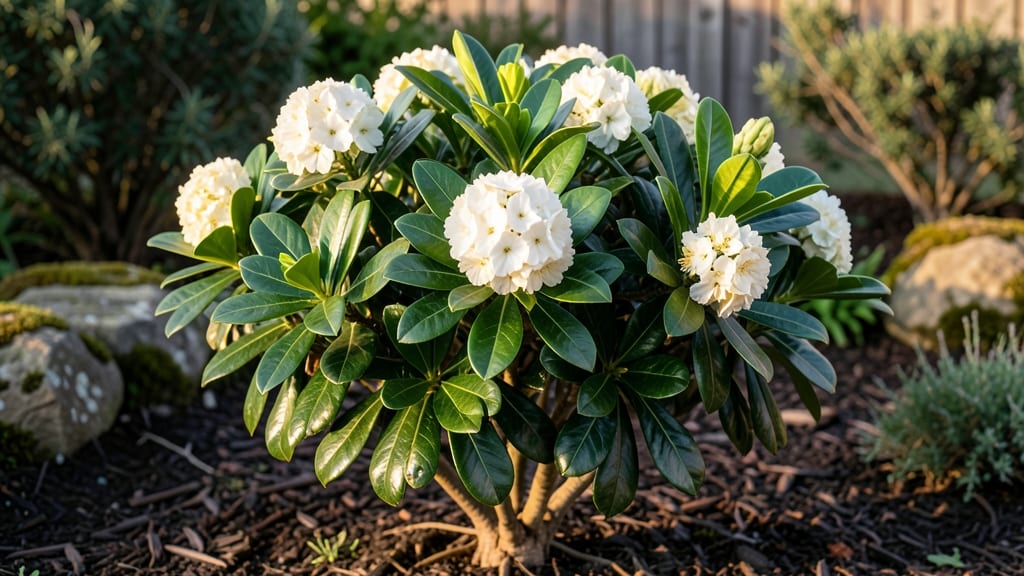
Gardenia plants are not winter hardy and cannot survive freezing temperatures in climates colder than USDA Zone 10, making them vulnerable to frost damage and requiring careful winter protection to preserve their health and blooms.
Gardenia plants thrive in warm, tropical conditions, which is why they wilt or die when exposed to temperatures below 30°F. 🌱 Their delicate leaves and flowers are particularly susceptible to cold damage, often showing brown spots or curling within hours of frost exposure.
If you're growing gardenias in cooler climates, moving them indoors or using protective covers during winter is essential to maintain their lush foliage and fragrant blooms.
Even in marginally cold areas like USDA Zone 9, gardenias need shelter from unexpected freezes. I've seen gardeners wrap potted plants in frost cloth or move them to a garage with supplemental grow lights during the shortest days of winter.
The key is replicating their natural tropical environment—consistent warmth and humidity—to keep them healthy until spring.
💡 In This Article
- USDA Zones for Gardenia Plants: Where They Thrive and Perish
- Protecting Gardenias in Cold Climates: Step-by-Step Winter Care
USDA Zones for gardenia plants: where they thrive and perish
Gardenia plants originate from tropical regions of Asia and Africa, where temperatures rarely drop below 50°F year-round.
This tropical physiology explains why they're classified as non-hardy—cold exposure triggers cellular damage through a process called plasma membrane disruption, where ice crystals rupture plant cells, leading to brown leaf spots and eventual death.
Their optimal growing range sits firmly within USDA Zones 10-12, where winter temperatures stay above 40°F consistently.
The most critical temperature threshold for gardenias is 32°F—any frost exposure causes irreversible damage to their glossy, thick leaves and delicate blooms. In Zone 9, gardenias can survive brief dips to 28°F if protected, but prolonged exposure below 30°F will kill the plant.
The roots, which are shallow and fibrous, are particularly vulnerable—they begin to rot if soil temperatures drop below 45°F for extended periods. 🌿 This explains why gardenias in containers (which cool faster than in-ground plants) often suffer more in cold snaps.
What makes gardenias unique is their sensitivity to temperature fluctuations—even a 10°F drop can trigger bud drop or leaf yellowing. Their flowers, which form on new growth, are especially delicate; exposure to 40°F temperatures can cause buds to blacken before opening.
This is why gardeners in Zones 7-9 must take proactive measures, as even a single hard freeze can devastate a plant that's been thriving all summer. The science behind this involves the plant's inability to produce antifreeze proteins, which cold-hardy plants like rhododendrons naturally synthesize.
Here's how temperature zones break down for gardenias:
- Zones 10-12: Ideal conditions—no winter protection needed, plants bloom prolifically year-round
- Zone 9: Marginal survival—requires frost protection during unexpected freezes (28-32°F)
- Zones 7-8: Container growing recommended with indoor overwintering below 40°F
- Zones 6 and below: Only possible as houseplants with supplemental grow lights during winter
In my experience, gardenias in Zone 9 often show the first signs of stress when nighttime temperatures dip below 50°F—leaves may curl slightly or buds fail to open. This is your warning that the plant is pushing its physiological limits.
The root system, which prefers soil temperatures between 65-75°F, begins to slow its nutrient uptake, leading to stunted growth and reduced flowering potential the following season.
The most dramatic visual damage occurs when gardenias experience a hard freeze (25°F or lower). Within 24 hours, you'll notice:
- Blackened leaf edges and brown spots
- Curling or wilting foliage that feels brittle to touch
- Dropped buds that appear shriveled and dark
- Stem discoloration (gray or black patches)
This damage occurs because the plant's cellular membranes rupture when ice crystals form in the vascular system, blocking water transport. Without immediate intervention, the plant can't recover from such extensive cellular trauma. 💫