
Pruning
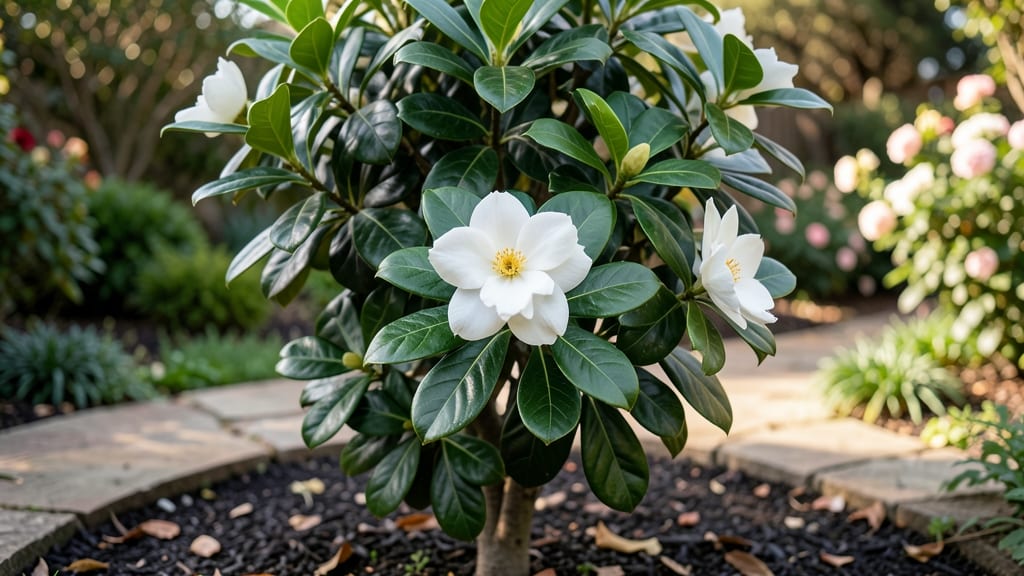
A gardenia tree height can reach 6 to 10 feet if left unchecked, but with smart pruning, you can keep it compact and manageable—even in small gardens or containers.
Picture this: your fragrant 🌺 gardenia towering over your patio, blocking sunlight for other plants, or making it impossible to enjoy its blooms without a ladder. It’s a common frustration, but the good news is that controlling its height doesn’t mean sacrificing those intoxicating flowers.
The key lies in understanding when and how to prune, which varieties stay shorter naturally, and how to encourage bushier growth instead of a single tall stalk. Whether you’re working with a dwarf variety or a standard gardenia, the right techniques can transform a potential eyesore into a well-behaved centerpiece.
In this guide, I’ll walk you through the best pruning methods, seasonal timing, and even how to correct mistakes that lead to overgrowth. By the end, you’ll know exactly how to shape your gardenia for the perfect height—without losing those lush, fragrant blooms.

How to prune gardenia trees for controlled height growth
If your gardenia tree is reaching for the sky faster than you’d like, don’t panic! Pruning isn’t just about cutting back—it’s about guiding growth to keep your plant compact, bushy, and blooming.
Gardenias naturally grow 6-10 feet tall if left unchecked, but with the right techniques, you can shape them to fit your space—whether that’s a 3-foot patio tree or a 5-foot hedge. The key is timing, tools, and knowing where to cut.
I’ve pruned gardenias for years, and the secret lies in selective trimming that encourages lateral branches while maintaining a strong structure. Unlike aggressive pruning, which can stress the plant, gardenias respond best to gentle shaping and deadheading.
Start by understanding your gardenia’s growth habits: it grows best in USDA zones 6-10 and thrives in partial shade, so pruning should never expose it to harsh afternoon sun post-trim.
Before you grab your shears, gather these essentials: sterilized pruning shears, sharp bypass pruners for larger branches, and rubbing alcohol to clean tools between cuts. Avoid dull tools—they crush stems and invite disease. Now, let’s dive into the step-by-step process to tame your gardenia’s height while boosting its blooms.
Choose the Right Time
Prune gardenias right after flowering, typically in late spring or early summer (May-June). This allows new growth to harden before winter. Avoid pruning in fall or winter, as it removes buds needed for spring blooms.
Identify the Target Height
Mark your desired height with a measuring tape or string. For a 3-foot dwarf gardenia, aim to cut back 1/3 of the current height. For a 5-foot standard, trim to encourage bushiness without sacrificing structure.
Cut Above a Leaf Node
Make cuts just above a leaf node (where leaves or branches grow) at a 45-degree angle. This promotes new growth from the node. Avoid cutting flush to the stem—it leaves a wound that heals poorly.
Thin Out, Don’t Just Top
Remove 1-2 older branches from the bottom to improve airflow and sunlight penetration. This prevents leggy growth and encourages a fuller canopy. Never remove more than 25% of the foliage in one session.
Deadhead Spent Blooms
After flowering, snip off wilted blooms at the base of the stem. This redirects energy to new growth and prevents seed pods from forming, which drain the plant’s resources.
Fertilize and Water Post-Pruning
Apply a balanced fertilizer (10-10-10) 2 weeks after pruning to support new growth. Water deeply to reduce shock, and mulch around the base to retain moisture. Avoid heavy watering immediately after pruning—this can stress fresh cuts.
One of my biggest pruning mistakes was over-trimming in fall, which left my gardenia vulnerable to cold snaps. Instead, I now focus on light shaping in late summer to prep for winter.
If you’re aiming for a dwarf gardenia (3-5 feet), prune more aggressively in early spring to encourage compact growth. For standard varieties, a light trim in summer keeps them manageable without stunting blooms.
Pro tip: Use pruning paste on larger cuts to seal wounds and prevent disease. Gardenias are sensitive to powdery mildew, so always sterilize tools between cuts. I also recommend pruning on a cloudy day to reduce stress on the plant—less sun means less water loss through fresh cuts.
After pruning, monitor your gardenia for new lateral branches, which signal successful shaping. Within 4-6 weeks, you’ll see bushier growth and more blooms. If your gardenia still looks leggy, repeat the process in early summer, but never prune more than once every 6 months.
Remember, gardenias reward patience. A well-pruned gardenia
Best pruning techniques for compact gardenia trees
If your gardenia tree is reaching for the sky instead of staying at your desired height, it’s time to take control with targeted pruning. Gardenias naturally grow between 6-10 feet tall, but with the right techniques, you can shape them into a compact 3-5 foot shrub.
The key lies in choosing the right pruning method for your goals—whether you want a neat hedge, a bushy centerpiece, or just to prevent leggy growth.
Leggy gardenias develop when they stretch for sunlight, creating long, bare stems with sparse foliage. This happens when pruning is too aggressive at the top or when the plant isn’t given enough light. The solution?
A balanced approach that combines thinning cuts, shaping trims, and strategic topping—all timed correctly to encourage dense, healthy growth. Let’s break down the best methods to keep your gardenia tree at the perfect height.
For thinning cuts, focus on removing 1-2 older branches per year from the bottom or center of the plant. This opens up the canopy, allowing sunlight to reach inner branches and preventing leggy stems.
Aim to remove branches that are thinner than a pencil or crossing each other. Thin in late winter before buds swell, as this gives the plant time to heal before the growing season.
If you’re aiming for a neat, manicured look, shaping pruning is your best friend. Use hand pruners to trim back overgrown branches to your desired shape, whether that’s a rounded mound or a tiered design.
Always cut just above a leaf node or bud to encourage new growth. This method works best after the flowering season, typically in late summer or early fall, so you don’t sacrifice next year’s blooms.
When your gardenia has outgrown its space, topping is a drastic but effective way to reset its height. Cut back the top 1/3 to 1/2 of the plant in late spring, just above a set of leaves.
This will shock the plant into producing multiple side shoots, creating a fuller, bushier appearance. However, be prepared for a temporary reduction in blooms the following season, as the plant redirects energy to regrowth.
To maintain a compact gardenia tree long-term, combine these techniques with regular deadheading (removing spent flowers) and annual pruning in late winter. Avoid pruning in fall, as this can stimulate tender new growth that won’t survive winter.
With patience and consistency, your gardenia will stay at your desired height while still producing those fragrant, creamy blooms you love. 🌺