
Tools
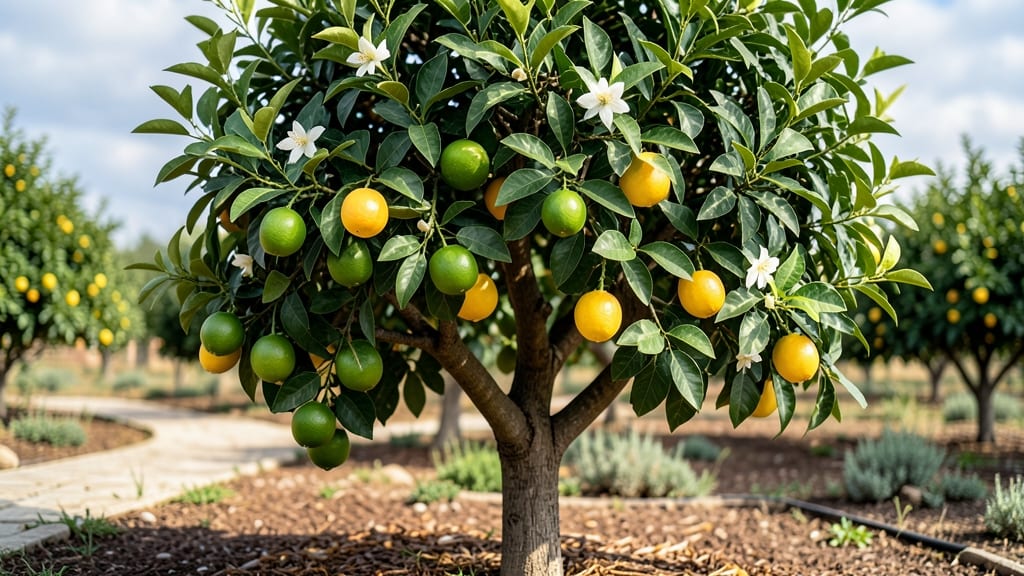
Garden Zone 10b includes coastal Southern California, parts of Arizona, and southern Nevada, where winter temperatures rarely drop below 30°F (-1°C). This zone supports year-round gardening for tropical and subtropical plants like citrus, bougainvillea, and hibiscus, with minimal frost risk but requiring drought-tolerant varieties due to hot, dry summers.
This hardiness zone offers gardeners a unique advantage: its mild winters and intense sun create ideal conditions for plants that would freeze in colder climates. 🌵 The key challenge here is water management—many Zone 10b plants thrive with minimal rainfall but need deep irrigation during summer droughts.
I've seen firsthand how succulents like agave and desert willows actually perform better with less frequent but thorough watering. For those new to this zone, starting with native plants like palo verde trees or California poppies can dramatically reduce maintenance while creating beautiful landscapes.
What sets Zone 10b apart from neighboring zones like 10a is its ability to support frost-sensitive tropicals without supplemental heating. 🌿 The coastal areas benefit from ocean breezes that moderate temperatures, while inland desert regions require extra mulching to retain moisture.
My recommendation? Begin with low-maintenance citrus varieties like Meyer lemons, which produce fruit year-round with proper care. The trade-off? You'll need to monitor for pests like aphids and scale insects that thrive in this warm climate.
💡 In This Article
- Understanding USDA Zone 10b Climate Characteristics
- Top 10b-Friendly Plants for Year-Round Harvests
Understanding USDA Zone 10b climate characteristics
Zone 10b's defining feature is its frost-free winters, where average annual minimum temperatures hover between 30°F (-1°C) and 35°F (1.7°C). This creates a microclimate perfect for tropical and subtropical species that would perish in colder regions.
The coastal areas, like San Diego or Santa Barbara, benefit from ocean breezes that moderate summer heat to 80-90°F (27-32°C) during peak afternoons, while inland desert zones can hit 110°F (43°C) or higher. This temperature swing explains why coastal bougainvillea thrives while inland varieties need afternoon shade.
The humidity levels also play a crucial role—coastal areas maintain 50-70% relative humidity, while desert regions drop below 30% in summer. This dryness forces plants to develop deep root systems to access groundwater, which is why native species like desert marigold and ocotillo flourish with minimal irrigation.
The trade-off? Tropical plants like mangoes require consistent moisture and may need 1-2 inches of water weekly during dry spells, while cacti can survive on 0.5 inches monthly. 💧
Seasonal variations in Zone 10b are dramatic yet predictable. Spring arrives early (March-April) with rapid temperature rises, while fall extends into November-December before winter's brief chill.
Unlike Zone 10a (where frosts occasionally dip to 25°F (-4°C)), Zone 10b's milder winters allow year-round growth for heat-loving crops like okra and sweet potatoes.
The key difference from Zone 11a (where minimums stay above 40°F (4°C)) is the occasional 28°F (-2°C) dip that can damage tender tropicals like banana trees.
Microclimates within Zone 10b create planting puzzles. Coastal gardens benefit from 60-80 inches of annual rainfall, while Phoenix averages just 8 inches. This forces gardeners to choose between water-intensive citrus groves or drought-resistant lavender hedges.
I've observed that even within a 5-mile radius, soil composition can shift from sandy coastal loam to clay-heavy desert soil—affecting drainage and root health. 🌡️
What most gardeners overlook is how wind patterns influence planting. Coastal areas experience 10-15 mph ocean breezes that reduce heat stress, while desert zones face 20+ mph afternoon gusts that dry soil rapidly.
This explains why palm trees thrive near the coast but struggle inland without windbreaks. The solution? Strategic placement of taller plants like eucalyptus to create wind barriers for delicate tropicals.
For those transitioning from colder zones, understanding these climate nuances is critical. Zone 10b's 300+ frost-free days annually mean continuous growth cycles—but also higher pest pressure from year-round insects.
The secret? Rotating crops and using reflective mulches to manage soil temperatures during summer's peak. This balance between opportunity and challenge defines gardening in Zone 10b. 🌿