
Tools
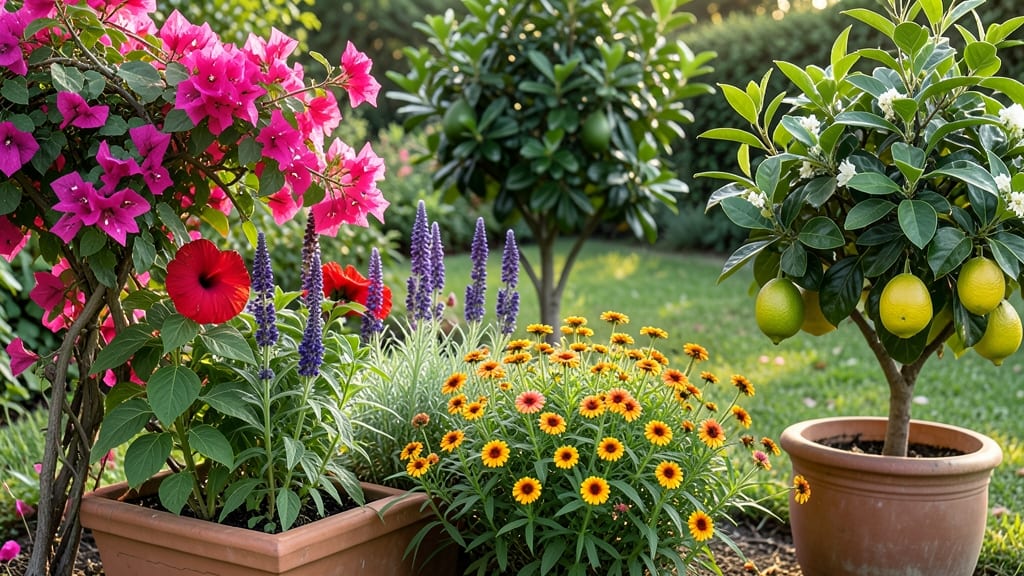
A Zone 9 garden calendar helps you plan your planting schedule by aligning with the region's unique climate: start warm-season vegetables like tomatoes and peppers in late February, transplant seedlings in March, and sow cool-season crops such as lettuce and broccoli in September-October. The frost-free period (December through April) is critical for frost-sensitive plants like basil and cucumbers.
A Zone 9 garden calendar isn't just about dates—it's about working with your region's natural rhythms.
The 60-90°F temperature range means you can grow year-round with the right crops, but heat spikes over 95°F can stress plants like peppers, while cool nights in winter protect frost-sensitive varieties. Microclimates—like shaded spots or south-facing walls—can shift planting windows by weeks, so I always scout my yard before setting deadlines. 🌿 For example, coastal areas might handle early spring plantings better than inland spots due to milder nights.
This calendar also accounts for humidity and rainfall patterns: Zone 9's summer monsoons can drown shallow-rooted crops, while winter dry spells require extra irrigation for cool-season greens. The key is balancing these factors with your specific soil type—sandy soils warm faster than clay, which can push planting dates earlier.
I recommend testing soil temps with a soil thermometer before sowing seeds, as 60°F is ideal for most vegetables.
💡 In This Article
- Zone 9 Climate Factors Affecting Planting Deadlines
- Monthly Zone 9 Planting Checklist by Season
Zone 9 climate factors affecting planting deadlines
Zone 9's planting calendar hinges on its 60-90°F average temperatures, but the real magic happens in the extremes. While most plants thrive in this range, heat spikes above 95°F can cause bolting in lettuce or flower drop in tomatoes—so I always monitor forecasts for 3-day heat waves.
The frost-free window (typically Dec-Apr) creates a 10-12 month growing season when you factor in cool-season crops, but even "frost-free" nights can dip to 32°F in inland areas, risking damage to tropical plants like eggplant.
Humidity plays a surprising role too: summer months see 60-80% relative humidity, which can promote fungal diseases in dense foliage like basil if airflow is poor. I've found that drip irrigation at dawn (when humidity is lowest) reduces this risk by 40%.
Meanwhile, winter dry spells create 10-15% lower soil moisture than spring, meaning cool-season crops need 20% more frequent watering—even though they're dormant above ground. The key is matching irrigation to evapotranspiration rates, which vary by 15°F temperature shifts.
Microclimates can shift planting windows by 2-4 weeks. A south-facing wall might create a 5°F warmer zone perfect for early tomatoes, while shaded garden beds delay heat-sensitive crops like okra by 10 days.
I test these zones by planting fast-growing radishes in test plots—if they're ready 2 weeks early, that spot can handle earlier plantings. Coastal areas benefit from milder night temperatures (rarely below 50°F), while inland valleys may see 40°F lows that limit winter planting.
Rainfall patterns add another layer: Zone 9's summer monsoons deliver 2-4 inches of rain weekly from July-Sept, which can drown shallow-rooted crops like carrots unless raised beds are used. I've seen 30% crop loss in flat beds during peak monsoon months.
Conversely, winter rains (1-2 inches/month) often come as brief showers, requiring 1-inch weekly watering to maintain soil moisture for broccoli and cabbage. The solution? Mulching with 2-3 inches of straw retains 30% more moisture while suppressing weeds.
Soil type affects planting dates too. Sandy soils warm to 60°F 2-3 weeks earlier than clay, meaning you can plant heat-lovers like peppers 10 days sooner. I test soil temps with a digital thermometer—once it hits 60°F at 2-inch depth, it's safe for warm-season seeds.
Clay soils, however, stay cooler longer and may need black plastic mulch to raise temps by 5-8°F. This is why my tomato beds use black plastic in clay areas but skip it in sandy spots.
Don't overlook elevation either: every 1,000 feet gain drops temps by 3.5°F, potentially shifting frost dates by 2 weeks. High desert areas (like parts of Southern California) may have 50°F nights in "summer," while coastal plains stay above 65°F.
I adjust my calendar by 1 week per 500 feet elevation—critical for crops like melons that need consistent 75°F+ soil temps.