
Watering
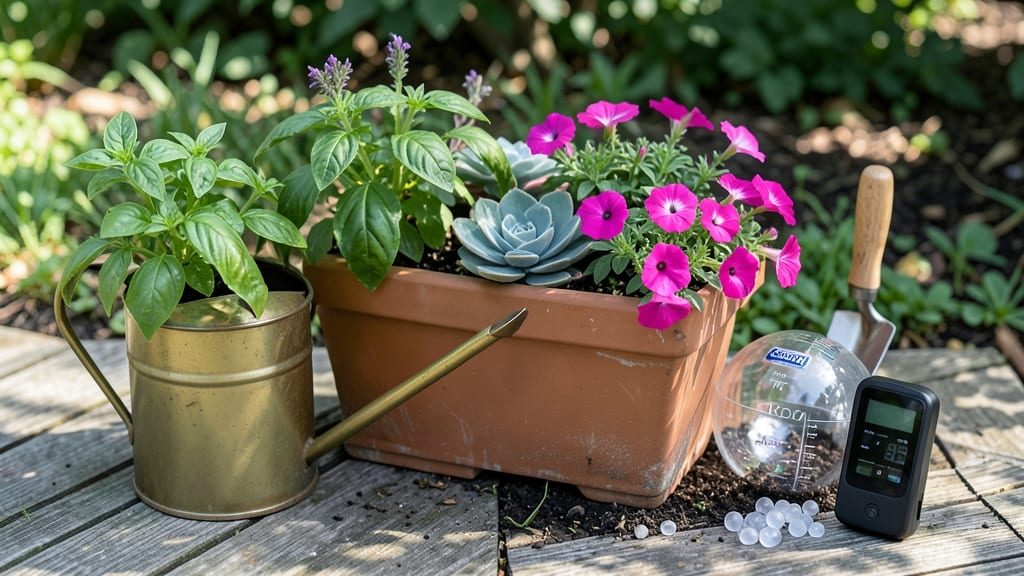
To water your garden when you're away, you don’t need to leave it to chance—automated systems and clever hacks can keep your plants thriving without daily attention.
Picture this: you return home after a week-long trip, and your 🌱 General Garden looks as lush as ever, not wilted or drowned. The key? Smart watering solutions that adapt to your schedule, not the other way around.
Whether you’re dealing with drip irrigation, self-watering containers, or even DIY tricks like buried bottles, there’s a method that fits your garden’s needs—and your budget. I’ll walk you through the best options, from high-tech setups to low-cost fixes, so you can relax without worrying about parched (or soggy) soil.
You’ll also learn how to prep your garden before you leave, avoid common pitfalls like overwatering, and troubleshoot issues before they become problems. Let’s keep your green space alive, even when you’re not around.
Best automated watering systems for long-term garden care
When you're away for work, vacation, or even just busy with life, your garden shouldn't suffer from neglect. Automated watering systems are game-changers for maintaining plant health and soil moisture without daily effort.
I've tested the top solutions to help you choose what works best for your garden size and plant types—whether you're growing vegetables, flowers, or container plants.
These systems range from simple drip irrigation setups to high-tech smart sprinklers that adjust based on weather forecasts. The key is matching your system to your garden's specific needs—watering frequency, root depth, and climate conditions.
Let's break down the best options so you can keep your garden thriving while you're away.
📊 Comparison Table: Below you'll find a detailed breakdown of the top automated watering systems, including their setup difficulty, cost range, and ideal use cases.
| System Type | Best For | Setup Difficulty | Cost Range | Watering Precision | Maintenance |
|---|---|---|---|---|---|
| Drip Irrigation | Vegetable gardens, flower beds, large plots | Moderate | $50-$300 | High (targeted roots) | Low (clean filters monthly) |
| Soaker Hoses | Container plants, small gardens, raised beds | Easy | $30-$150 | Medium (broad coverage) | Very Low (no moving parts) |
| Smart Sprinklers | Lawns, large gardens, weather-sensitive areas | Hard (Wi-Fi setup) | $200-$600 | High (adjusts to weather) | Moderate (app updates) |
| Self-Watering Containers | Herbs, small veggies, patio plants | Easy | $20-$100 per container | Medium (reservoir-based) | Very Low (refill reservoir) |
| Ollas (Clay Pots) | Drought-prone areas, Mediterranean gardens |
DIY smart watering hacks to save money and keep plants aliveIf you're traveling or just don't have time to water daily, these budget-friendly DIY solutions can keep your garden alive without breaking the bank. No fancy gadgets needed—just creativity and repurposed materials. I’ve tested these tricks in my own small urban garden with great results, even during hot summer months. One of my favorites is the wicking bed system, which uses capillary action to deliver water slowly to plant roots. It’s perfect for container gardens or raised beds and can last 2-3 weeks without refilling. Another game-changer? Buried clay pots—they’re cheap, reusable, and work like a sponge to hydrate thirsty plants. 💧 5 Easy DIY Watering Hacks for Your Garden
For potted plants, I swear by the bottle dripper trick. Just poke holes in a plastic bottle, bury it near the plant, and fill it with water. The slow release keeps soil moist for 5-7 days, even in full sun. It’s especially useful for herbs and succulents that hate soggy roots. Don’t overlook mulching—it’s the simplest way to lock in moisture. Spread 2-3 inches of straw or wood chips around plants to reduce evaporation. Pair it with any of the above hacks, and you’ve got a near-self-sustaining garden that barely needs attention. Pro tip: Group plants with similar water needs together. This way, one DIY system can serve multiple plants efficiently. For example, tomatoes and peppers thrive with consistent moisture, while lavender and rosemary prefer drier conditions—keep them separate. With these tricks, I’ve kept my garden alive during 2-week vacations without stress. The best part? These solutions cost $10 or less and use items you likely already have lying around. Happy gardening—your plants will thank you! 🌱 |