
Vegetables
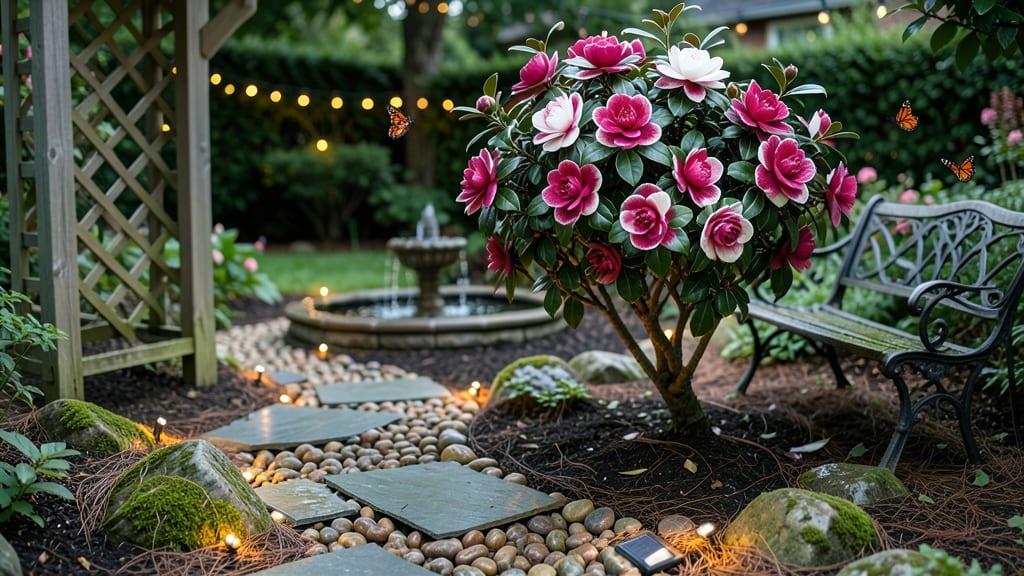
Enchanted Gardens in Richmond, TX, transforms ordinary landscapes into storybook realms through themed gardens like the Fairy Garden and Japanese Zen Area, where native Texas plants create seasonal displays with whimsical storytelling. Visitors can explore live performances and guided tours revealing the garden's hidden botanical lore.
This magical garden blends horticulture with fantasy by carefully selecting plants that thrive in Texas's climate while creating dreamlike scenes. 🌿 The Fairy Garden, for example, uses delicate ferns and blooming vines to mimic a woodland wonderland, while the Japanese Zen Area features native yaupon holly and Texas sage arranged in meditative patterns.
The real magic happens in seasonal displays—like their Halloween "Haunted Garden" or spring "Butterfly Haven"—where every plant serves as both decoration and ecological support.
Themed trails weave through the gardens, each with its own narrative, from "Alice in Wonderland" pathways to "Gnome Village" hideaways. These aren't just pretty landscapes—they're educational experiences too, with signs explaining how Texas wildflowers like bluebonnets or blackfoot daisies integrate into fairy-tale aesthetics.
For families or plant enthusiasts, this is where nature and imagination collide in the most delightful way.
💡 In This Article
- Design Secrets Behind Enchanted Gardens’ Magical Layouts
- Best Times to Visit Enchanted Gardens for Hidden Delights
Design secrets behind enchanted gardens’ magical layouts
The garden's whimsical charm begins with its strategic plant selection, where native Texas species like Texas sage (Leucophyllum frutescens) and blackfoot daisies (Melampodium leucanthum) create the perfect fairy-tale foundation. These drought-resistant plants thrive in the region's climate while providing vibrant color year-round.
The design team uses a technique called "layered planting," where taller plants like yaupon holly (Ilex vomitoria) frame pathways, while lower-growing bluebonnets (Lupinus texensis) spill across garden beds—mimicking natural underbrush in storybook forests. 🌿
Storytelling pathways are another key feature, with each trail designed to guide visitors through a narrative.
For example, the Alice in Wonderland trail winds through a 10-foot-tall topiary rabbit sculpture, while the Gnome Village area features miniature stone bridges and moss-covered "fairy doors" hidden among fountain grass (Pennisetum) and sedum plants.
These elements aren't just decorative—they're carefully placed to create visual "storybook pages" at every turn, with each plant serving multiple purposes: providing shade, attracting pollinators, and enhancing the magical atmosphere.
The garden's eco-friendly irrigation system plays a crucial role in maintaining these delicate displays. A drip irrigation network delivers water directly to plant roots, reducing waste by up to 30% compared to traditional sprinklers.
This system also includes rainwater collection barrels that feed into the irrigation lines, ensuring the garden remains lush even during Texas's dry seasons. The result? Vibrant blooms and healthy foliage that make the fantasy elements feel alive and thriving. 💧
Seasonal color shifts are achieved through careful plant rotation. In spring, wildflowers like Indian paintbrush (Castilleja) and Mexican feather grass (Nassella tenuissima) create a golden carpet underfoot, while summer brings purple salvia (Salvia leucantha) and black-eyed Susan (Rudbeckia) to the foreground.
The garden's designers use a technique called "color blocking" to create visual interest—grouping plants with similar hues together to form "paint strokes" that guide the eye through each themed area. This approach ensures every visit feels fresh and magical, regardless of the season.
One of the most fascinating aspects is how native Texas plants are repurposed for fantasy themes.
For instance, the Texas mountain laurel (Sophora secundiflora), with its fragrant purple blooms, becomes the "magic flower" in the Fairy Garden, while Spanish dagger (Yucca rigida) plants are styled as "enchanted swords" along the Knight's Quest trail.
These creative adaptations not only preserve the garden's ecological integrity but also make the fantasy elements feel rooted in real botanical beauty. 🌸
The layout also incorporates subtle sensory experiences that enhance the magical atmosphere. The Japanese Zen Area, for example, features a gravel path that crunches underfoot, creating a meditative sound that contrasts with the whimsical chimes hanging from cedar trees (Juniperus) in the Fairy Garden.
Even the scent plays a role—lavender (Lavandula) and rosemary (Rosmarinus officinalis) are planted near seating areas to create a calming aroma, while citrus-scented geraniums (Pelargonium) add a fresh, uplifting note near the Alice in Wonderland trail. These details make the garden feel like stepping into a living storybook. ✨