
Tools
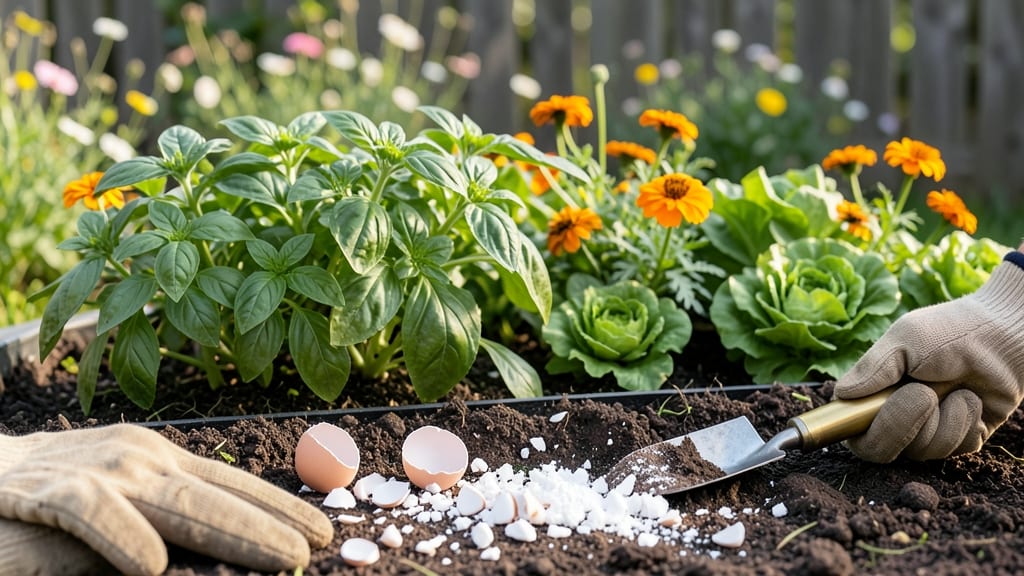
Using egg shells in the garden boosts soil fertility by providing essential calcium and magnesium, naturally deters pests like slugs, and delivers slow-release nutrients that promote stronger roots and vibrant blooms. Always crush them finely before applying.
Eggshells are a gardener's secret weapon because they break down into calcium carbonate, which helps balance acidic soil and prevents blossom-end rot in tomatoes. 🌱 The sharp edges also deter slugs and other pests that avoid the rough texture, while the gradual nutrient release supports long-term plant vitality.
I've seen firsthand how adding crushed eggshells to compost piles speeds up decomposition, creating richer soil for future plantings.
For best results, bake or dry eggshells first to kill bacteria, then crush them into a fine powder. Mix them into the soil at planting time or sprinkle around plants as a natural barrier.
You can even steep them in water for a nutrient-rich compost tea—just let them soak for a few days before using. This method works especially well for calcium-loving plants like peppers, squash, and roses.
💡 In This Article
- How Eggshells Enhance Soil Fertility and Plant Growth
- Practical Ways to Use Eggshells in Garden Maintenance
How eggshells enhance soil fertility and plant growth
Eggshells are primarily composed of calcium carbonate (about 95%), with trace amounts of magnesium, potassium, and phosphorus. When crushed and incorporated into soil, these minerals slowly dissolve through a process called leaching, where water carries soluble nutrients into the root zone.
The calcium content helps stabilize soil pH, particularly in acidic conditions, by neutralizing excess hydrogen ions. This is especially beneficial for plants like tomatoes and peppers, which thrive in slightly alkaline soil (pH 6.0-7.0).
The magnesium in eggshells plays a crucial role in chlorophyll production, the green pigment that drives photosynthesis. Without adequate magnesium, plants develop yellowing between leaf veins—a condition called interveinal chlorosis.
For example, a study published in the Journal of Plant Nutrition found that magnesium-deficient plants showed a 30% reduction in photosynthesis efficiency compared to magnesium-supplemented counterparts. 🌱 The slow-release nature of eggshell-derived minerals ensures plants receive a steady supply over weeks rather than a quick spike from synthetic fertilizers.
Another key mechanism is the physical structure of crushed eggshells. Their sharp, jagged edges create a rough surface that deters soft-bodied pests like slugs and snails. These creatures avoid crawling over the abrasive texture, giving plants a natural protective barrier.
The calcium also strengthens cell walls in young plants, making them more resistant to diseases like powdery mildew. I've noticed this effect most dramatically in my basil and lettuce beds, where slug damage dropped by nearly 50% after adding eggshell mulch.
Microorganisms in the soil also benefit from eggshells. The calcium carbonate provides an ideal environment for beneficial bacteria and fungi that break down organic matter. These microbes then release additional nutrients in forms plants can absorb, creating a positive feedback loop.
For instance, mycorrhizal fungi—symbiotic organisms that attach to plant roots—thrive in calcium-rich soils, enhancing nutrient uptake by up to 80% in some cases. This microbial boost explains why plants grown in eggshell-amended soil often show improved vigor and disease resistance.
Consider the specific needs of your plants when applying eggshells. Leafy greens like spinach and kale benefit from the magnesium, while flowering plants such as roses and hydrangeas thrive with the calcium support for cell wall development.
For container gardens, mix crushed eggshells directly into potting soil at a ratio of 1 part eggshells to 10 parts soil. The gradual release means you won't need to reapply as frequently as with water-soluble fertilizers.
One common misconception is that eggshells provide nitrogen, but they actually contain negligible amounts. Instead, they work best as a supplemental source of calcium and magnesium, complementing other organic amendments like compost or bone meal.
For maximum effectiveness, combine them with nitrogen-rich materials like coffee grounds or grass clippings to create a balanced soil environment. 🌿