
Tools
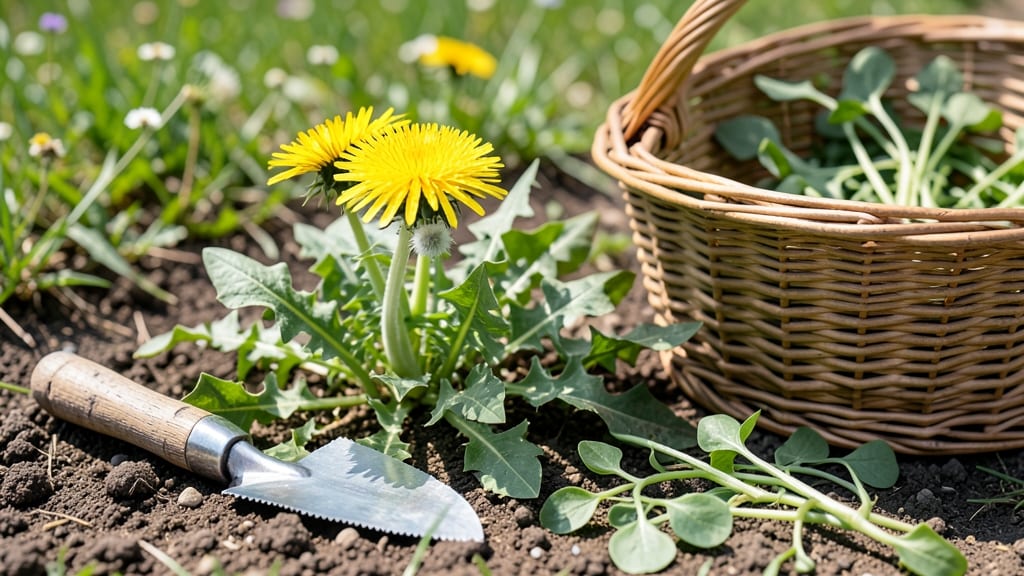
To eat weeds from the garden safely, first identify non-toxic varieties like dandelion greens, purslane, or chickweed, then wash thoroughly and cook properly to eliminate contaminants and bitter flavors. Never consume plants with milky sap or that resemble poison hemlock or wild parsnip.
Many gardeners overlook the edible potential of common "weeds," but with the right knowledge, these plants can become nutritious additions to your meals. 🌱 The key lies in proper identification—dandelion leaves, for example, are packed with vitamins A and K, while purslane offers omega-3 fatty acids.
I always harvest younger leaves for milder flavors and avoid anything growing near treated lawn areas. Proper preparation is just as critical: boiling or sautéing helps break down oxalates in plants like spinach's wild cousin, lamb's quarters.
What often surprises people is how versatile these greens can be. Chickweed, with its slightly tangy taste, works beautifully in salads or as a garnish, while young dandelion leaves can replace spinach in almost any recipe. The golden rule?
When in doubt, consult a field guide or local foraging expert—some toxic plants like poison ivy can mimic harmless lookalikes. Always cook thoroughly to eliminate any potential irritants, especially when dealing with plants like wild garlic or sorrel that contain mild toxins in their raw form.
💡 In This Article
- How to Identify Safe Edible Weeds in Your Garden
- Best Practices for Harvesting and Preparing Garden Weeds
How to identify safe edible weeds in your garden
Identifying edible weeds starts with examining leaf arrangement and shape. Most safe edible weeds have simple, undivided leaves arranged alternately along the stem. For example, dandelion leaves are deeply lobed and form a rosette near the ground, while purslane's thick, succulent leaves grow in pairs along the stem.
Toxic lookalikes like poison hemlock have finely divided, fern-like leaves arranged in a circular pattern around the stem—a key red flag that should make you pause and reconsider.
The growth pattern offers crucial clues too. Edible weeds like chickweed grow low to the ground in delicate mats, while toxic varieties often stand taller with hollow stems.
Pay attention to the roots: dandelions have a long, thick taproot, while lamb's quarters develop a shallow, fibrous root system. 🌱 The presence of milky sap is another warning sign—any plant that oozes white or yellow liquid when broken is likely toxic and should be avoided entirely.
Flower morphology provides the final piece of the identification puzzle. Edible weeds typically produce small, unassuming flowers like the bright yellow blooms of dandelions or the tiny white flowers of chickweed.
Toxic plants often have more dramatic flowers, such as the umbrella-shaped clusters of poison hemlock or the yellow blooms of wild parsnip. Always examine the entire plant, not just the leaves, before considering it safe for consumption.
Seasonal timing matters too—young leaves are generally milder and more tender. Harvest dandelion greens in early spring when they're still small and sweet, or after the first flush of flowers when the leaves become more bitter.
Purslane, which thrives in hot weather, develops a slightly tangy flavor that intensifies as temperatures rise. This seasonal variation affects both taste and nutritional content, with younger plants often containing higher levels of beneficial compounds.
When comparing plants, use a field guide or reliable app to cross-reference your observations. Some edible weeds have regional variations in appearance, and what's safe in one area might be toxic in another due to local plant species.
For instance, wild garlic looks similar to edible onions but has flat, grass-like leaves—this subtle difference can mean the difference between a delicious meal and a dangerous one.
Consider these key visual distinctions when evaluating garden weeds:
- Leaf arrangement: Safe weeds have alternating leaves; toxic plants often have circular patterns
- Stem texture: Edible stems are typically solid; toxic stems may be hollow
- Sap presence: Any milky sap means immediate avoidance
- Flower structure: Simple, small flowers suggest edibility; complex clusters indicate caution
Remember that proper identification isn't just about avoiding poisonous plants—it's about maximizing the nutritional benefits of your garden's green bounty. 💫