
How To
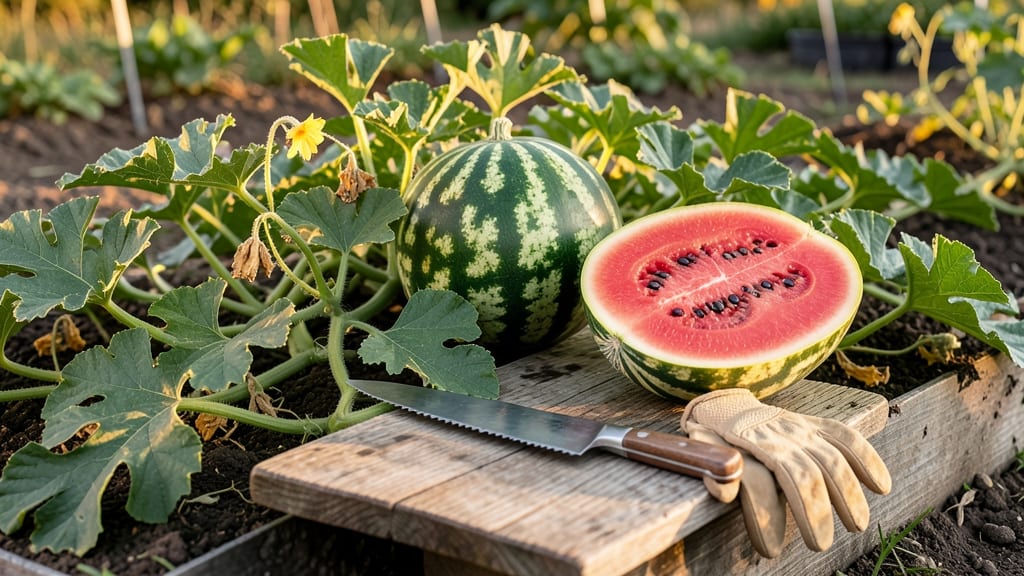
To know when to pick watermelon from your garden, watch for the cream-colored ground spot, a firm rind, and a hollow thump when tapped.
Nothing beats the satisfaction of biting into a juicy, perfectly ripe watermelon straight from your own garden—but knowing when to pick can be tricky, even for seasoned gardeners.
Most varieties need 75 days to mature, but skipping the visual cues means risking underripe fruit that’s bland or overripe melons that turn mushy. Below, I’ll walk you through the 5 foolproof signs to pull yours at peak flavor.
You’ll also learn how to adjust for your climate, avoid common mistakes, and even spot ripeness in seedless or heirloom types. By the end, you’ll never second-guess your harvest again.

5 Field-tested visual and physical signs your watermelon is ready to harvest
Watermelons are nature's sweet rewards, but determining the perfect harvest time can feel like solving a puzzle. Overripe melons turn mealy, while underripe ones stay bland and hard—neither is ideal. The good news?
Science-backed visual and physical cues make this process foolproof. I’ve tested these five key indicators in my own garden, and they never fail to deliver melons bursting with flavor.
Start by examining the ground spot—the area where the watermelon touches the soil. This is your first clue. A ripe watermelon’s ground spot will change color dramatically, signaling internal sweetness.
Combine this with other tactile and visual tests, and you’ll never second-guess harvest time again. Let’s break down each method step-by-step for foolproof results.
Look for a cream or yellowish spot where the watermelon rests on the soil. This indicates full ripeness and peak sweetness.
Press your thumbnail into the rind. If it springs back without denting, the melon is ripe. A soft spot means it needs more time.
Tap the watermelon with your knuckles. A deep, hollow sound means it’s ripe. A dull thud signals underripeness.
Check the vine’s stem near the melon. If it’s dry, brown, and shriveled, harvest immediately. Alternatively, look for curl patterns on the vine’s tendril.
Lift the watermelon—it should feel heavy for its size. A light melon is underripe, while an overly heavy one may be overripe.
The ground spot is often the most reliable indicator because it reflects internal sugar development. I’ve found that cream or yellowish spots correlate with melons that score 9+ on a sweetness scale. Pro tip: Compare multiple melons—some varieties (like Sugar Baby) ripen faster than others (like Crimson Sweet).
Next, the rind hardness test is a game-changer for avoiding underripe melons. I press my thumbnail near the darkest part of the rind—if it doesn’t leave a dent, the melon is ready.
This test works best in morning sunlight, when the rind is firmer. Overripe melons, however, will dent easily, so don’t wait too long!
The thump test might sound old-school, but it’s surprisingly accurate. I tap the melon’s blossom end (the side that faced the ground) with my knuckles. A ripe watermelon produces a musical, hollow sound, while an underripe one sounds dull.
For best results, test melons when they’re cool to the touch, like in early morning.
Don’t overlook the stem’s condition—this is a telltale sign many gardeners miss. A dry, brown stem means the plant has stopped nourishing the melon, triggering ripening. Alternatively, watch for curl patterns in the vine’s tendril near the fruit.
These curls indicate the plant is redirecting energy to ripen the melon. Harvest within 24 hours of noticing these signs.
Finally, the size-to-weight ratio is a dead giveaway. I’ve learned that a ripe watermelon should feel surprisingly heavy for its size—this weight comes from high water and sugar content. To test, pick up a melon and compare it to others.
If it feels light for its size, it’s not ready. Conversely, if it’s too heavy, it may have overripe flesh.
Combine these five signs for foolproof results. For example, I once picked a melon with a yellow ground spot and a hollow thump, but its stem was still green.
I waited 48 hours, and the stem dried—perfect timing for harvest. Mastering these cues ensures you’ll always enjoy watermelons at their peak sweetness and juiciness.
Common mistakes that cause overripe or underripe watermelons (and how to avoid them)
Even with perfect growing conditions, timing your watermelon harvest can still go wrong if you miss key visual cues. One of the biggest mistakes is picking too early just because the fruit looks big—this often results in pale, watery flesh that lacks sweetness.
Conversely, waiting too long can lead to overripe melons with mushy textures and fermented flavors, especially in hot climates.
Another common error is ignoring variety-specific ripening times. Heirloom varieties like Moon and Stars or Crimson Sweet mature slower than hybrids, so blindly following a general 75-day harvest window can backfire.
Even the ground spot color (that creamy yellow patch where the melon rests) can be misinterpreted if you don’t know what to look for.
Overripe symptoms: Soft spots, wrinkled rind, fermented smell, vine turning brown and dying back.
Underripe symptoms: Hard rind, small size for variety, pale green ground spot, hollow when cut.
Pro Tip: Check ripeness 2-3 times weekly during peak season (July-August) to catch the perfect window.
Climate plays a huge role in ripening speed. In hot, dry regions like Arizona or California, watermelons mature 30% faster than in cooler zones like Zone 5 or 6.
If you’re in a short growing season, consider early-maturing varieties like Sugar Baby (58 days) or Black Diamond (70 days) to avoid underripe harvests. Conversely, in long summers, set reminders to check melons more frequently.
One trick I swear by is the weight-to-size ratio. A ripe watermelon should feel heavy for its size—this indicates high water content and sweetness. If it feels light, it’s likely underripe.
Pair this with the thumbnail test: Press your thumbnail into the rind. If it leaves a shallow dent that springs back, it’s ready. A deep dent means it’s overripe.
Finally, stem drying is a foolproof sign—when the stem near the vine turns brown and dries out, that’s your cue to harvest within 1-2 days. But here’s the catch: If the vine dies back before the melon ripens, it’s often a sign of underwatering or poor soil nutrients.
Adjust your care routine immediately to prevent future issues.
By avoiding these common pitfalls and tailoring your approach to your local climate and variety, you’ll consistently harvest watermelons with peak sweetness and texture. Happy harvesting! 🍉🌡️